Ianaki and Milton Manakia
Two brothers from Avdela, an Aromanian village in the Pindus. They opened a photographic studio in Bitola and filmed the first moving images in the Balkans. Between their first photograph and their last, Bitola belonged, in turn, to five states, and Avdela, their native village, to four.
Ianaki is born in Avdela
He is born on 18 May in Avdela, an Aromanian village in the Pindus, then in the Ottoman Empire; today in Greece, in the region of Grevena. He is the son of Dimitar and Lucia, an Aromanian family of the village. In summer the flocks climbed to the mountains; in autumn they went down into Thessaly.
The village had two schools: a Greek one, attested from 1867, and a Romanian one, opened that same year by Apostol Mărgărit, himself from Avdela. Ianaki attends the Romanian one.
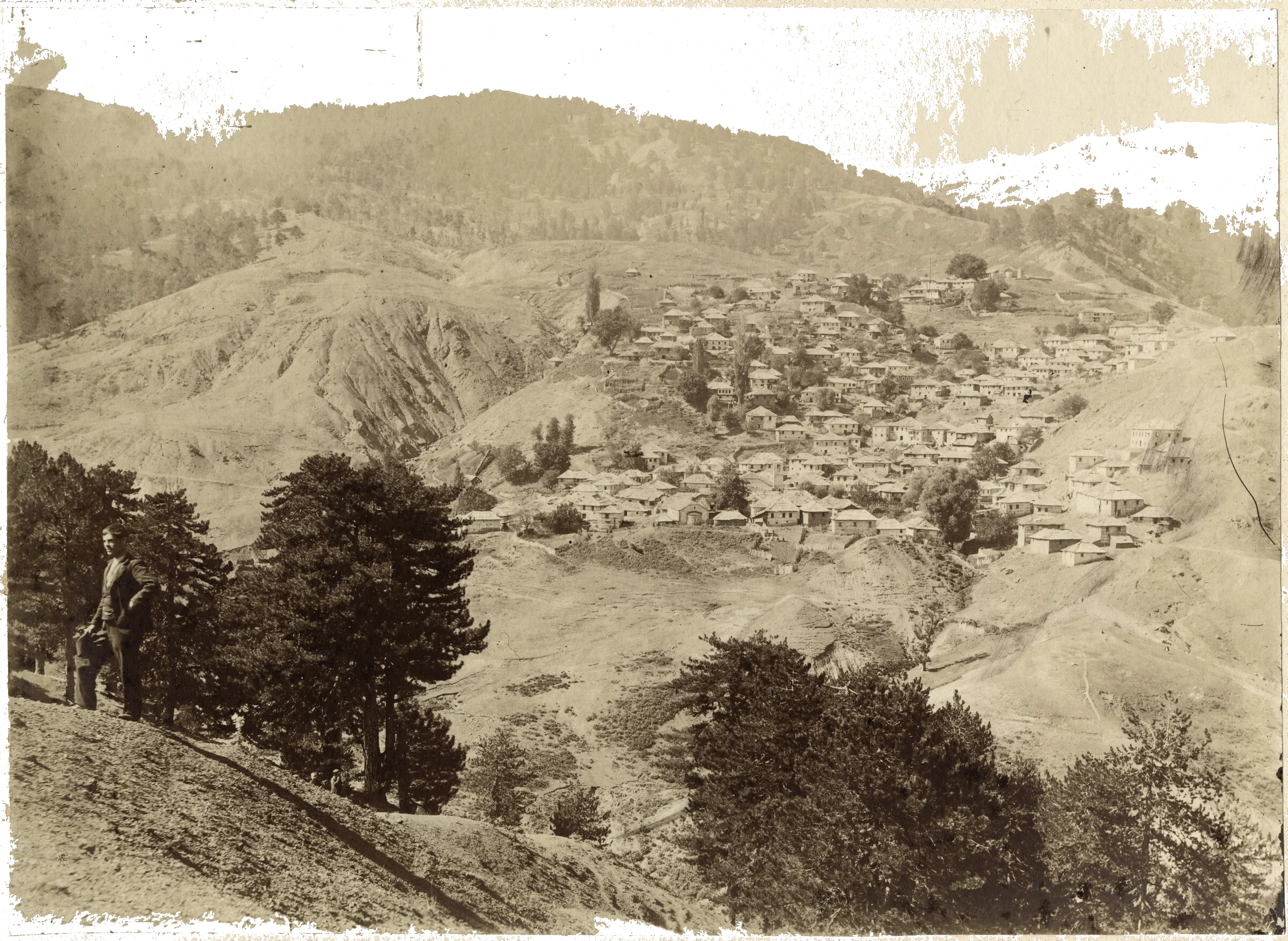
Milton is born
The younger brother, also in Avdela. Some sources give 1882. Milton is the one who handles the camera: he is the one who films. And the one who stays in Bitola.
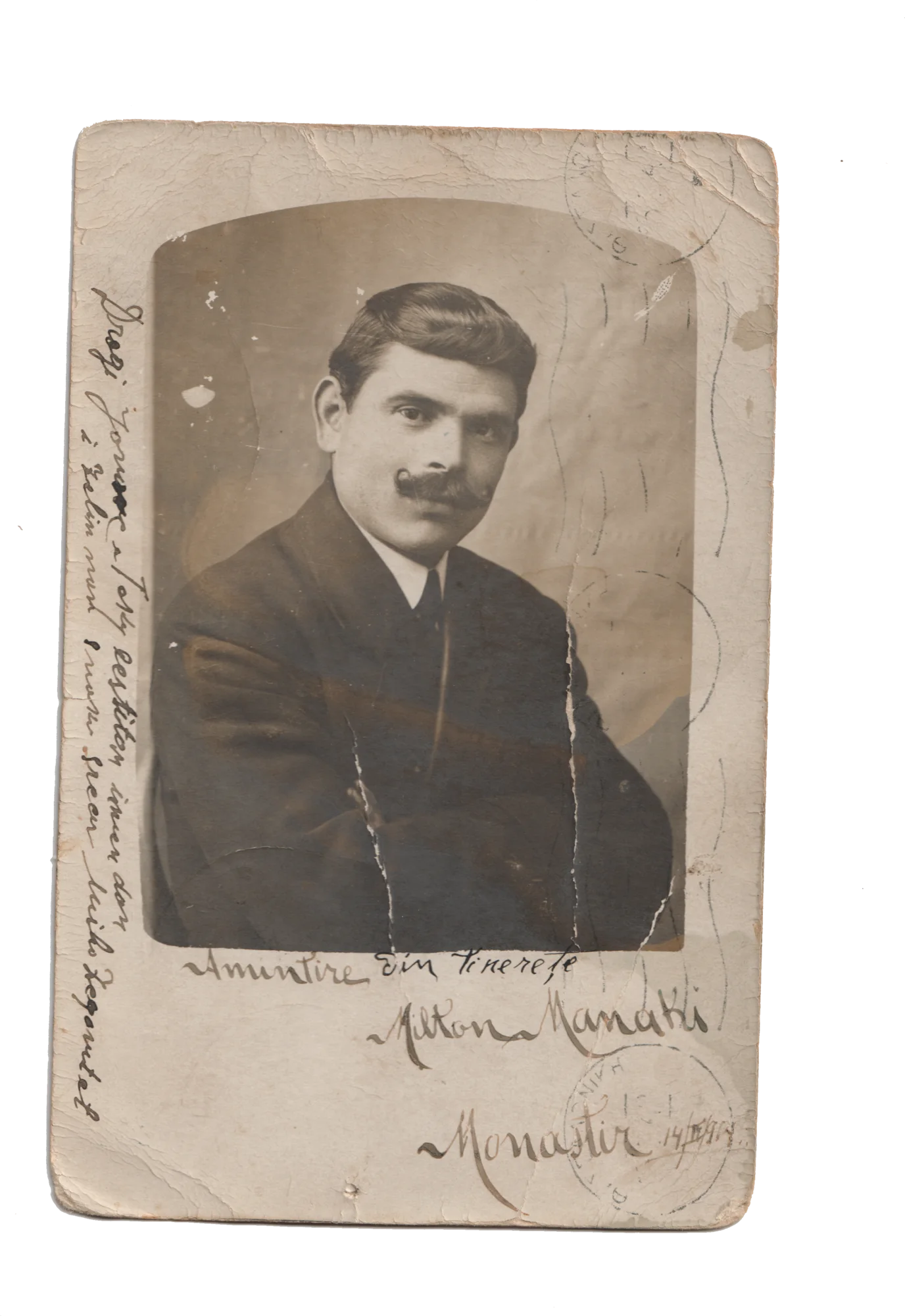
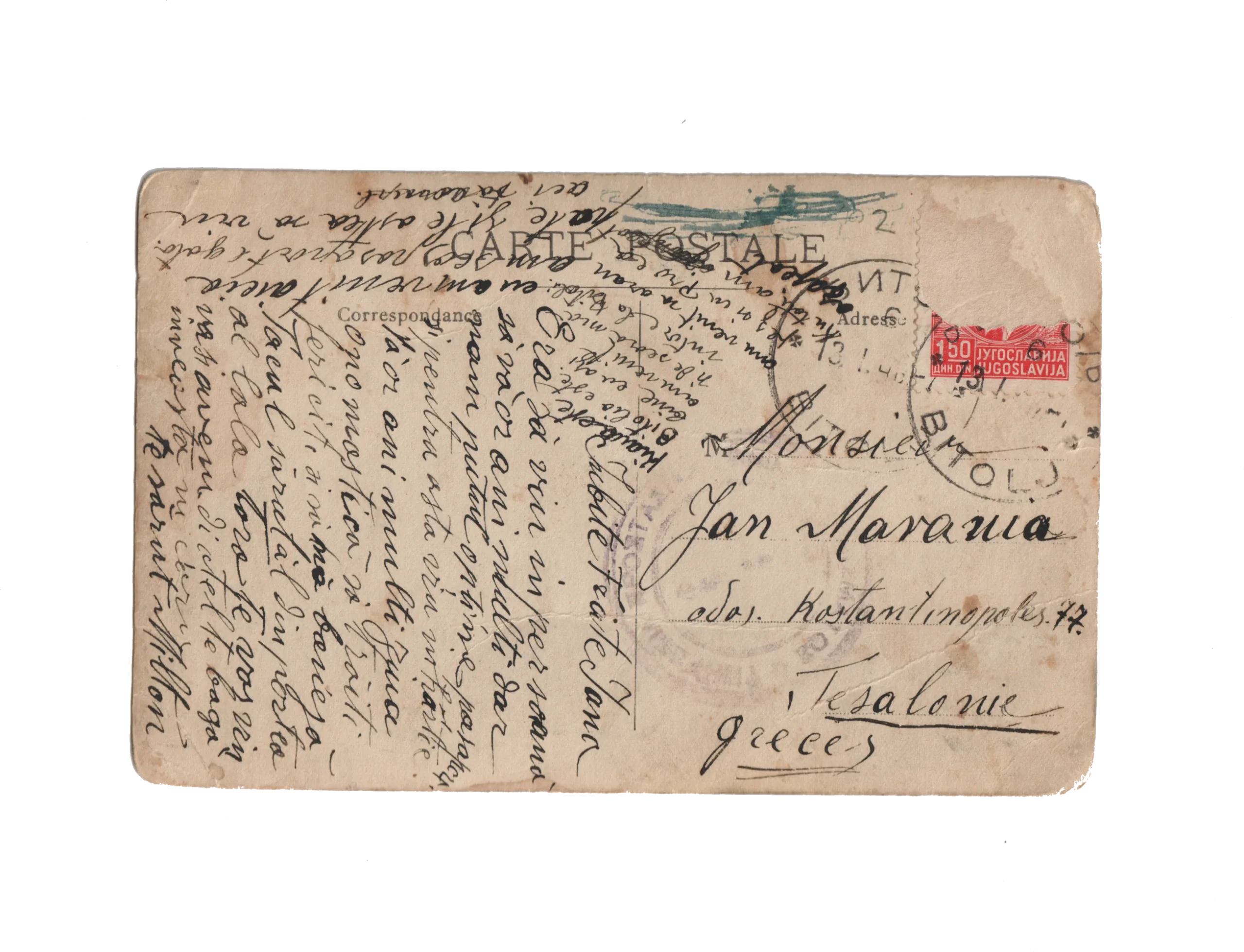
VraniVrani family archive, Salonica — scan by Cătălin D. Constantin
Ianaki in Monastir
He enrols at the Romanian high school in Monastir, the city known today as Bitola, in 1890–1891, and graduates on 21 June 1897. He is good at drawing and calligraphy, and learns photography from a local photographer. In 1897–1898 he teaches at the Romanian school in Tsernesi (Elatochori), in Zagori.
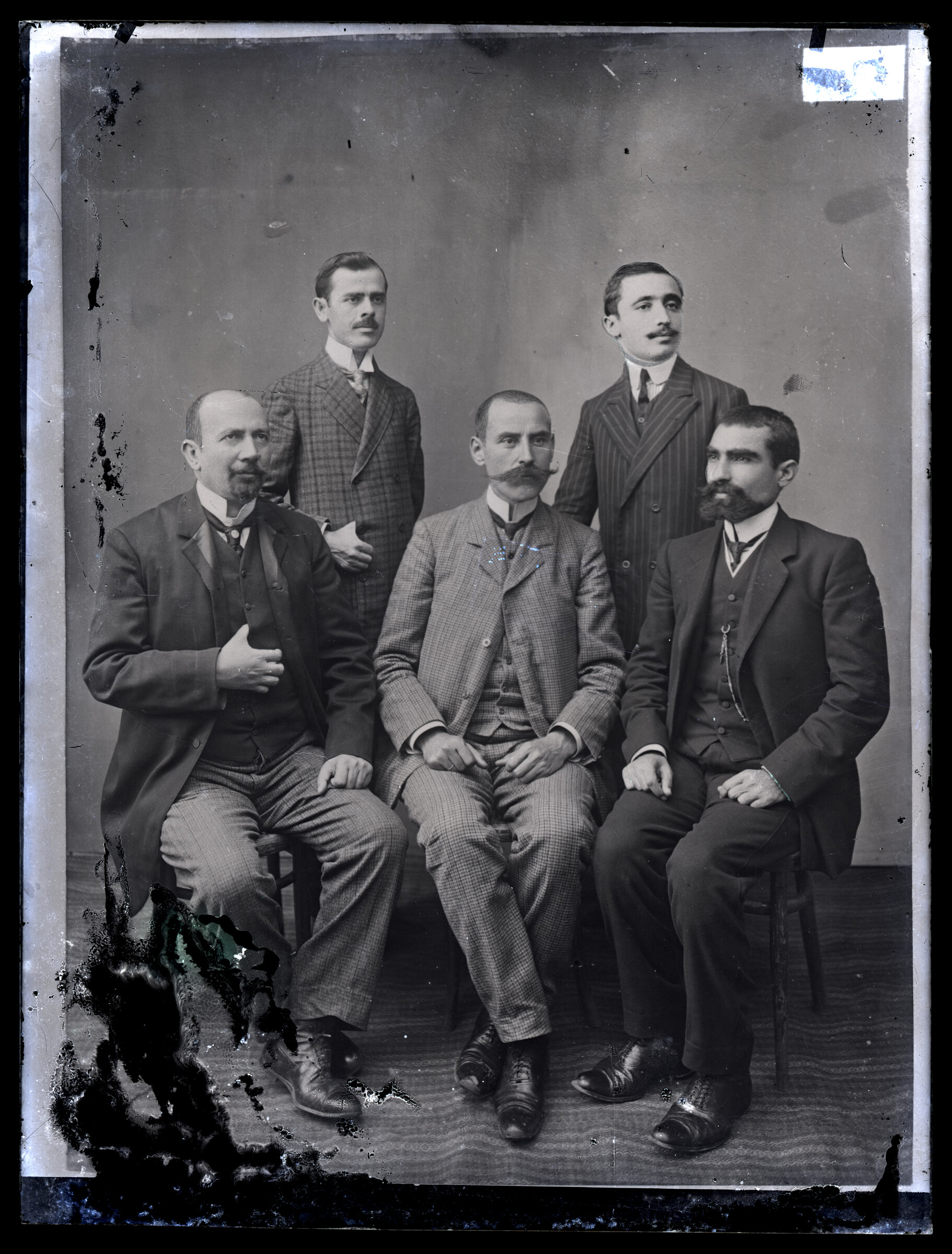
The Ioannina studio
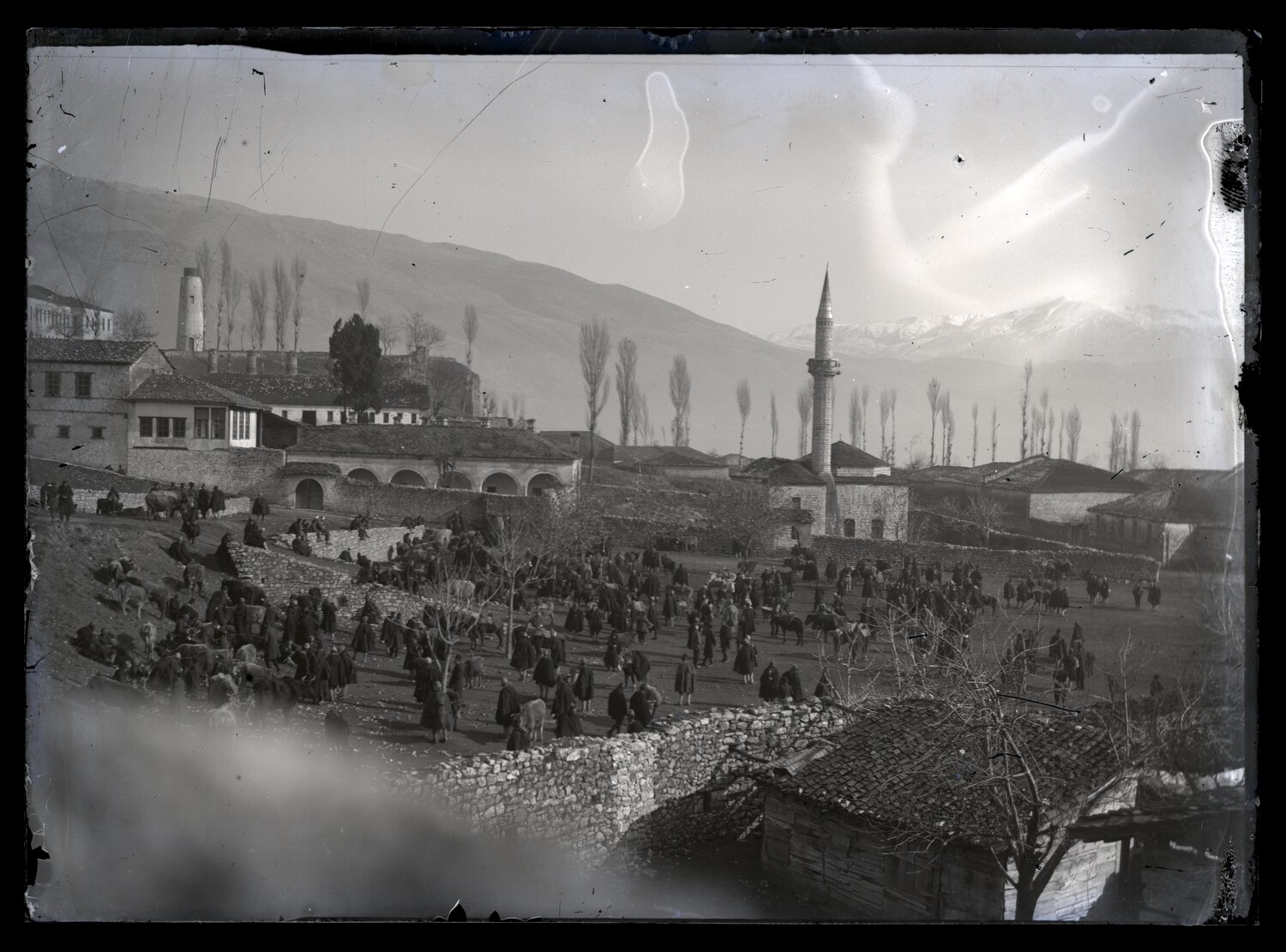
Ianaki opens a studio in Ioannina, in Epirus, in 1898; sources give 18 February or 29 March. He teaches drawing and calligraphy at the Romanian Commercial School there, for about eight years. A few months after the opening Milton joins him and learns the trade. The street where the studio stood is not known.
The roads
Alongside commissioned portraits, they photograph the villages. Families, markets, schoolteachers, round dances, work in the fields. In autumn, the flocks’ road to the winter pastures. At least 370 photographs have been identified from these years, from more than forty localities; eighty-six were taken in Ioannina. Avdela, Samarina, Perivoli, Vovousa, Laista, Smixi, Metsovo, Greveniti, most of them are in Greece today. Documents kept by Milton count 1,893 photographs, from 78 places, taken between 1898 and 1912.
The captions on the mounts that reached Bucharest are in Ianaki’s own hand, in the words of his time. We quote them as they stand on the cardboard.
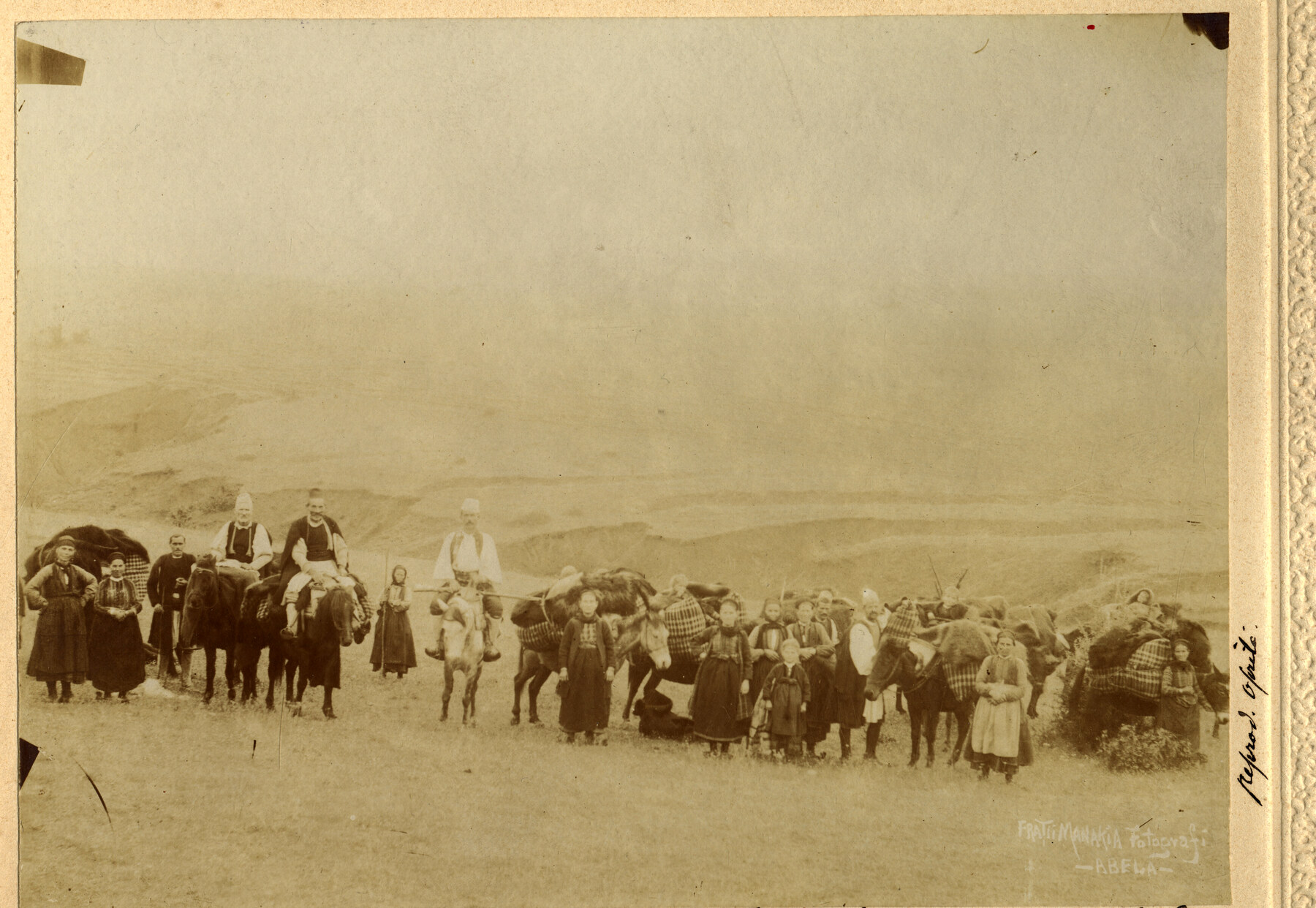
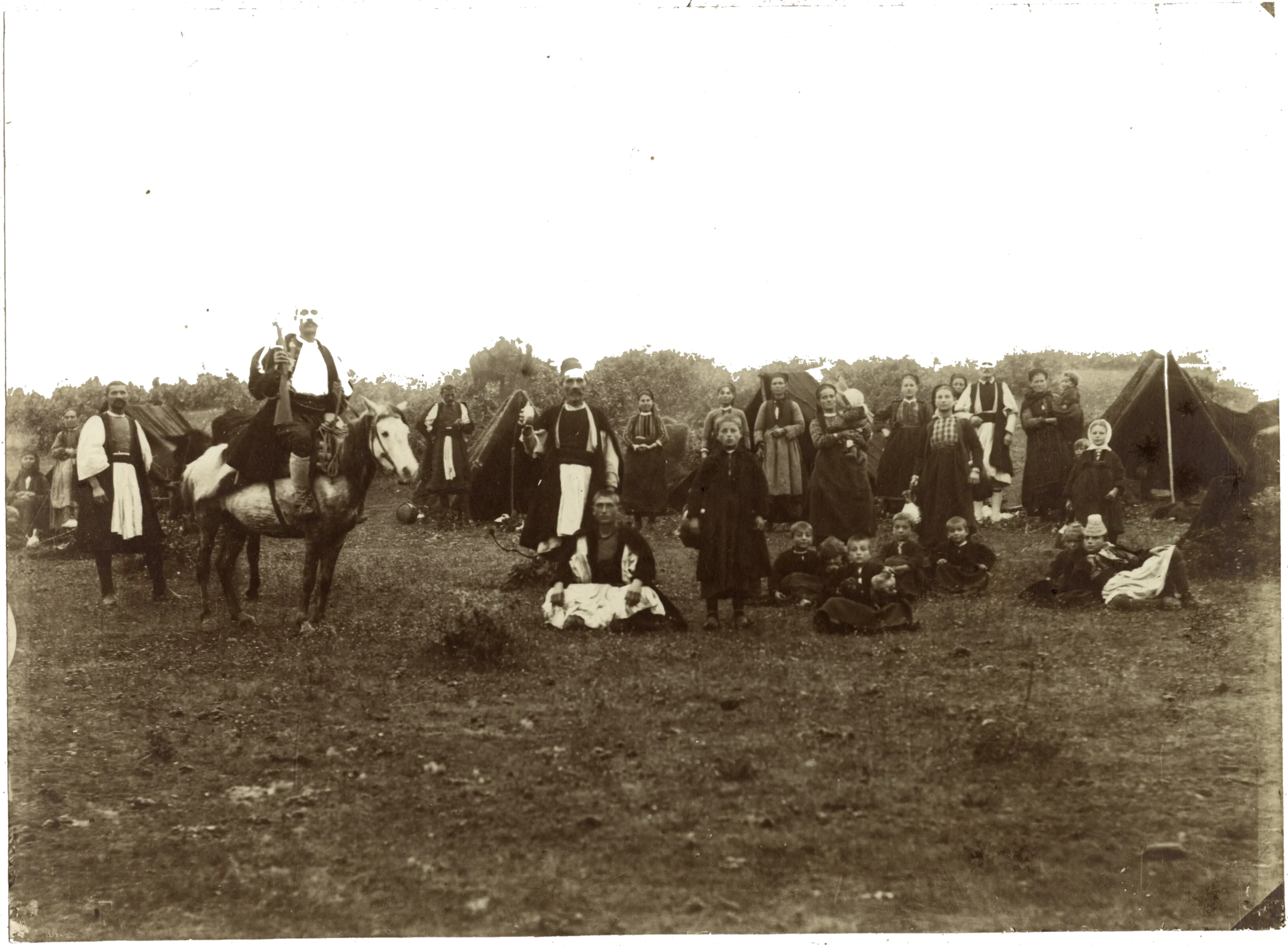
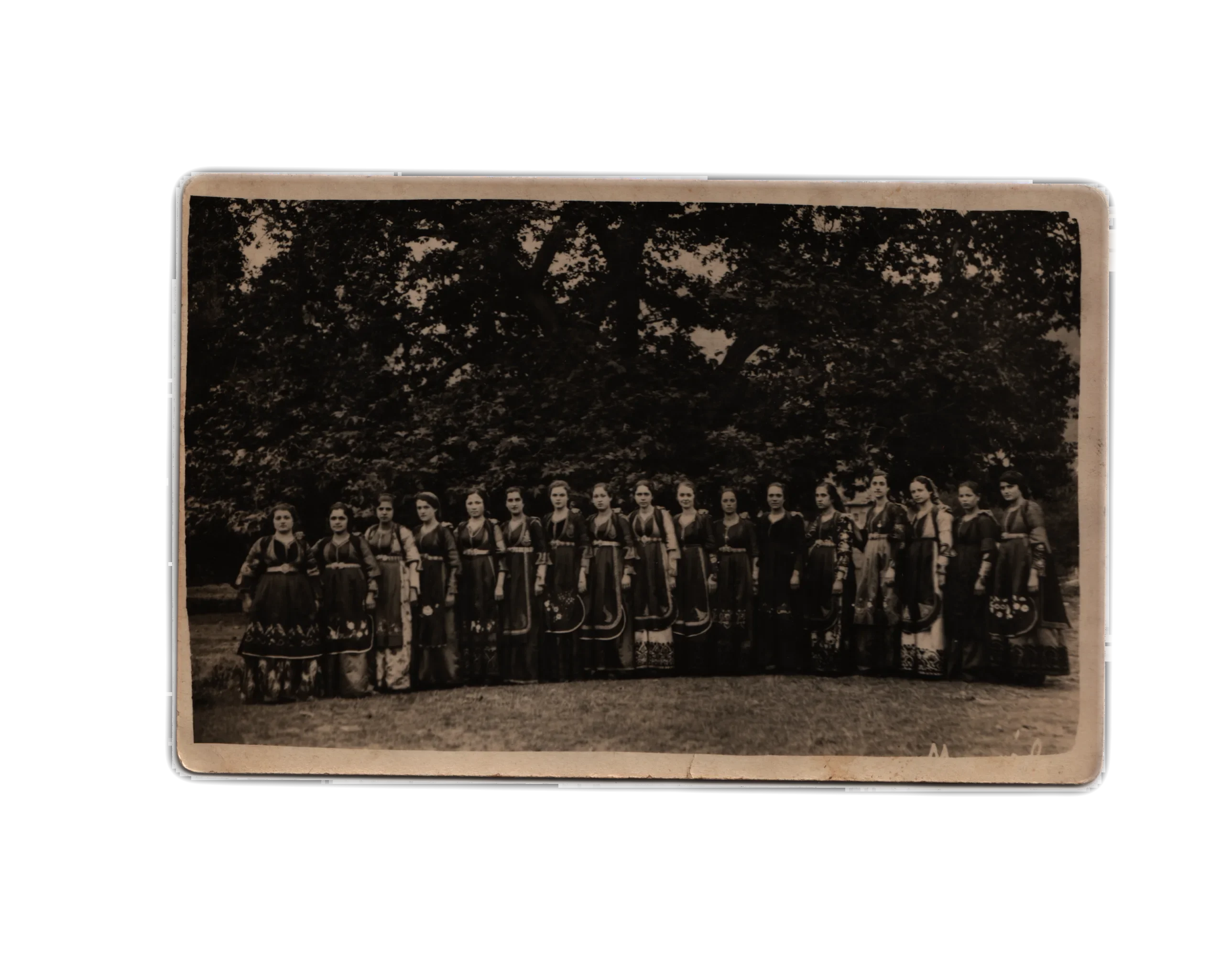
The funeral of Apostol Mărgărit
Mărgărit was born in Avdela, their village, in 1832. There, in 1867, he opened the first Romanian school in the region, and later, as inspector, dozens more across Macedonia and Albania. He dies in Bitola, their city.
The brothers photograph his funeral. The crowd fills the street from one end to the other.
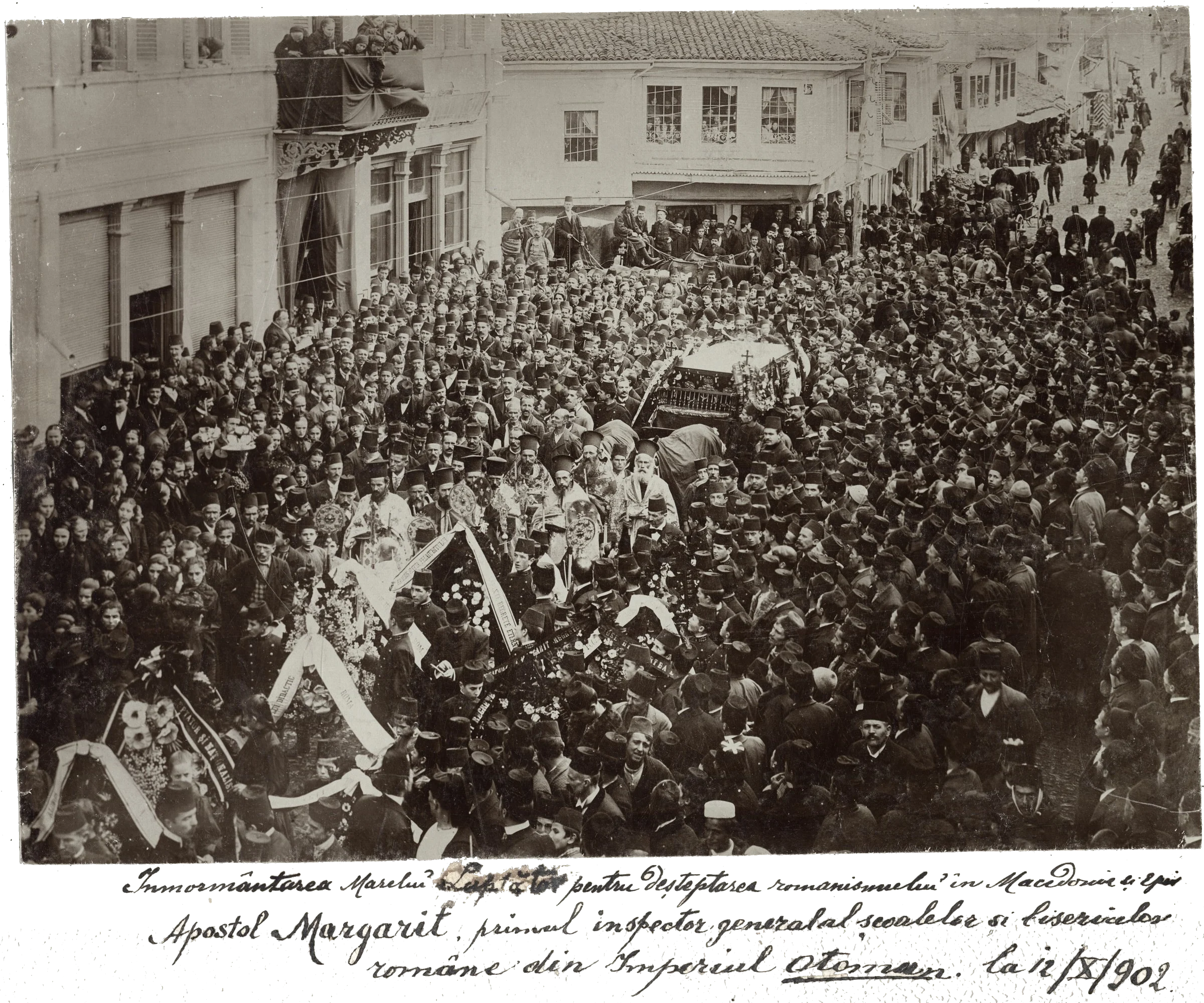
Whose hand wrote the captions, in the Journal →MNȚRinv. no. 1924
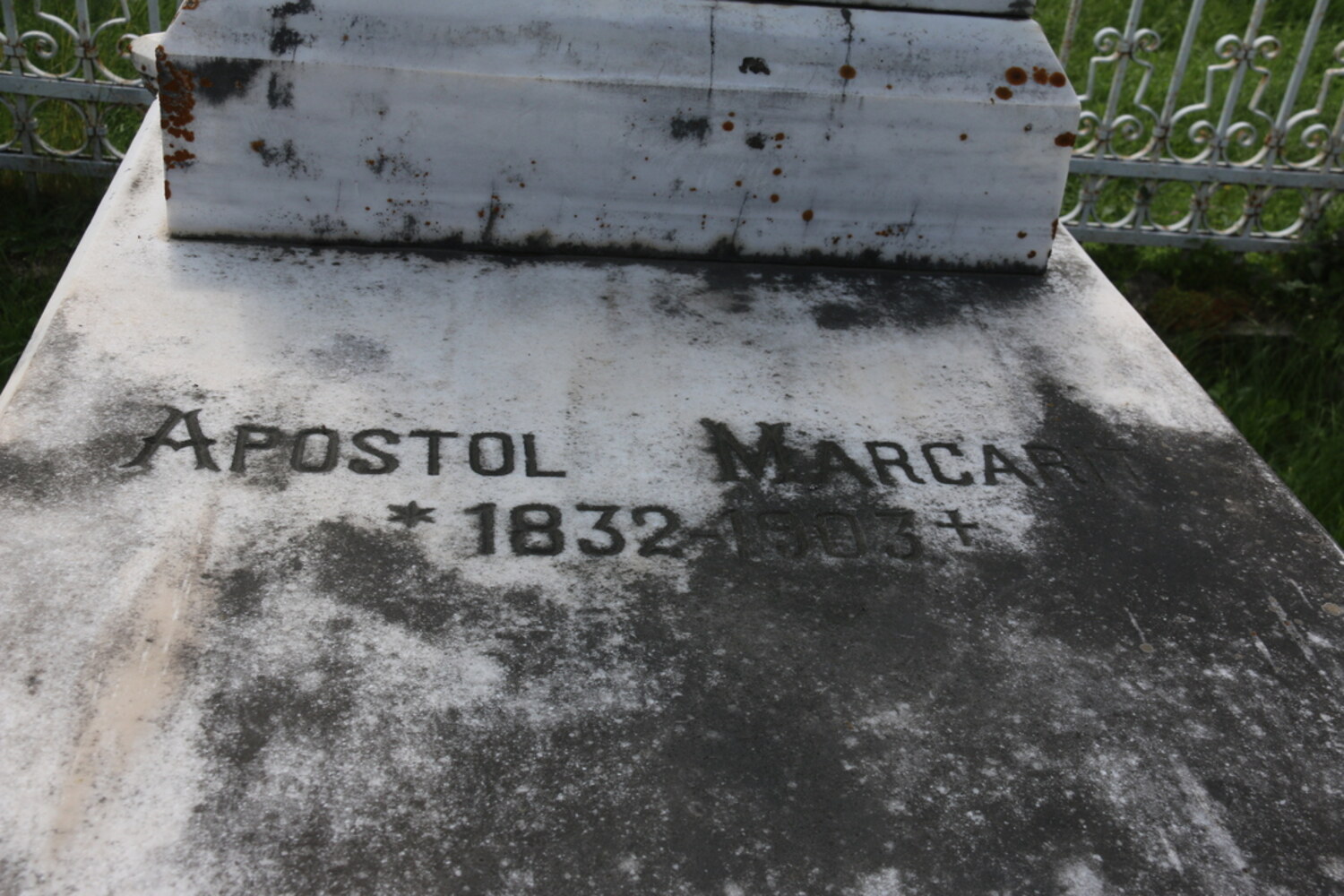
Avdela
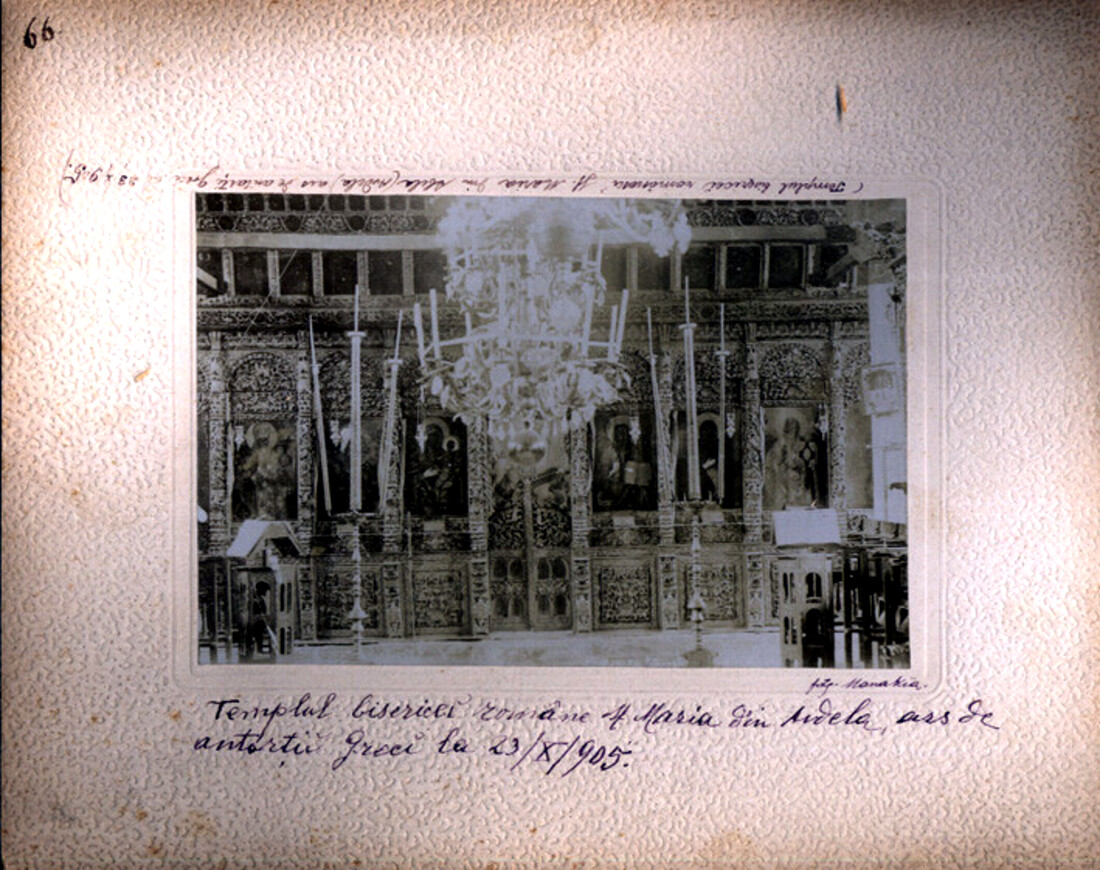
These are the years of the Struggle for Macedonia, when rival national movements kept armed bands in the mountains and the villages paid the price. At Easter 1905 the Greek press accuses Ianaki of Romanian propaganda and names him among the alleged moral instigators of the incident at Vovousa, a clash over the language of the Easter service. The historian Nikolaos Siokis calls these reports polemical and Ianaki’s actual role unclear. In October the Romanian church of St Mary in Avdela burns.
The brothers photograph it after the fire. The caption beneath the image is handwritten:
Their own house in Avdela burns too, the same year. Milton’s mother Lucia and his grandmother Despa stand in front of the ruins.

The Monastir studio
They buy premises on Shirok Sokak, the city’s main street, and open the Studio for Art Photography. The year differs from one source to another; Nikolaos Siokis gives 8 December 1905.
From the studio’s balcony they will photograph, for years on end, whatever passes in the street below: parades, processions, official receptions, crowds. Many of their celebrated images were taken from up there.
Bucharest
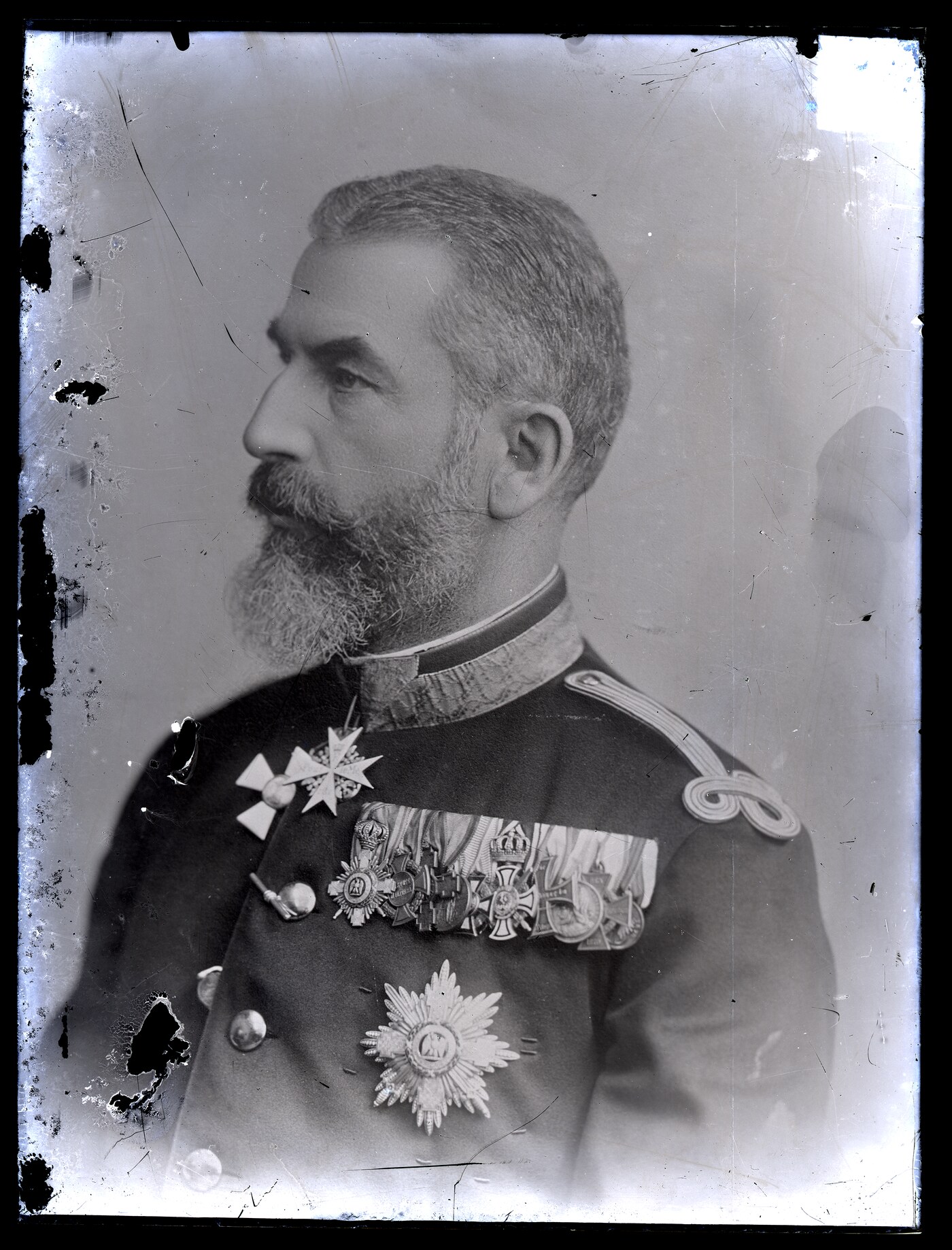
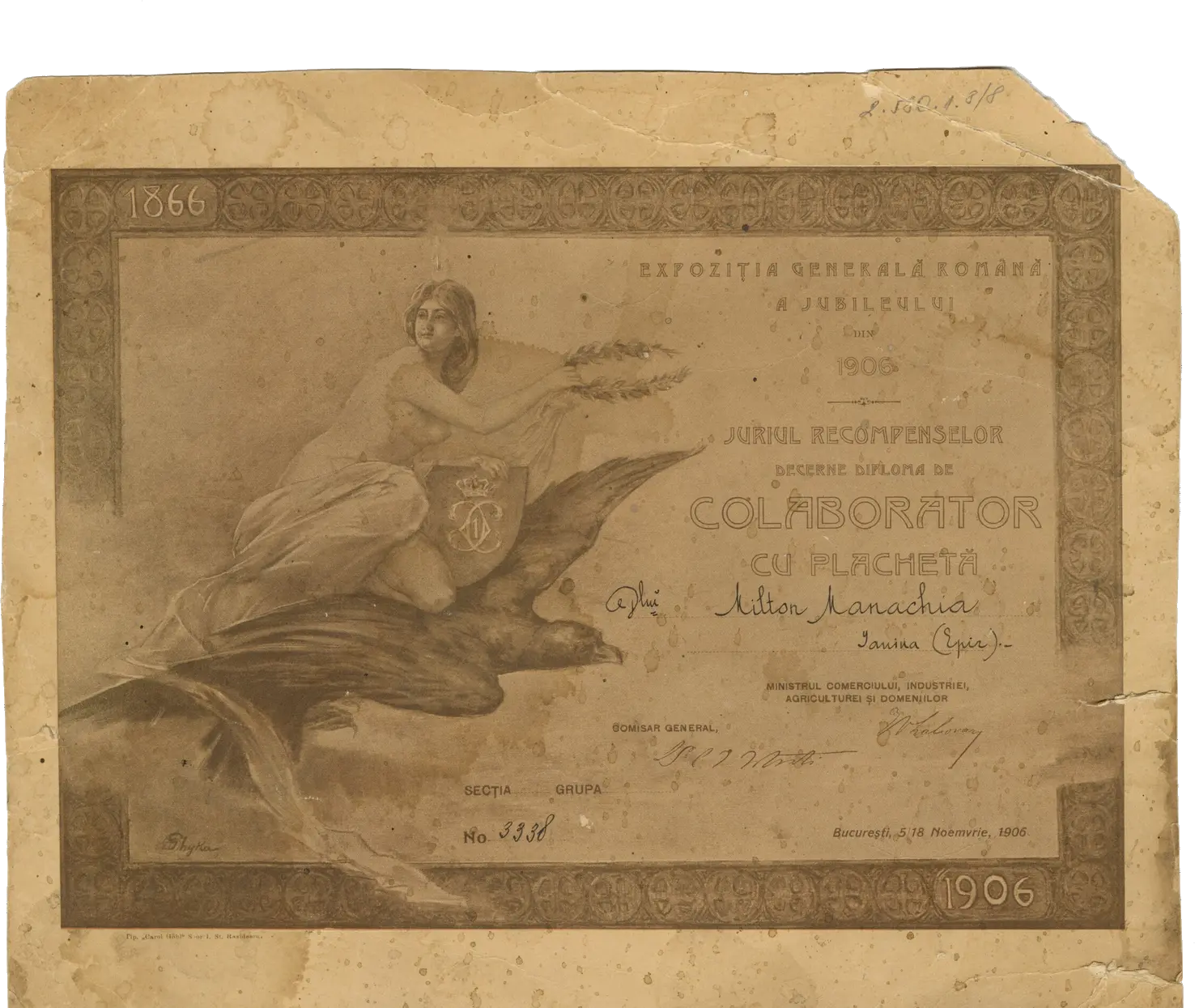
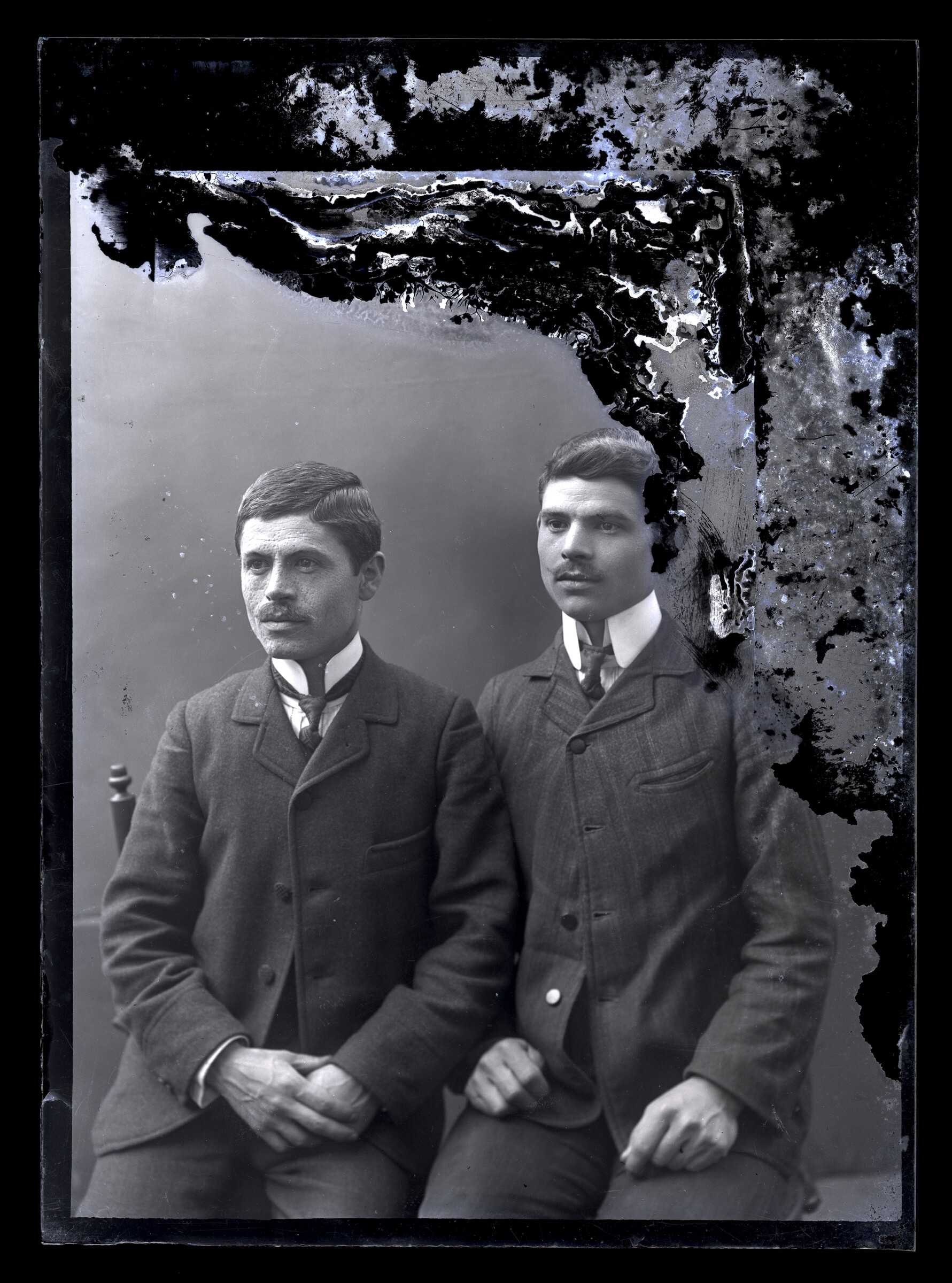
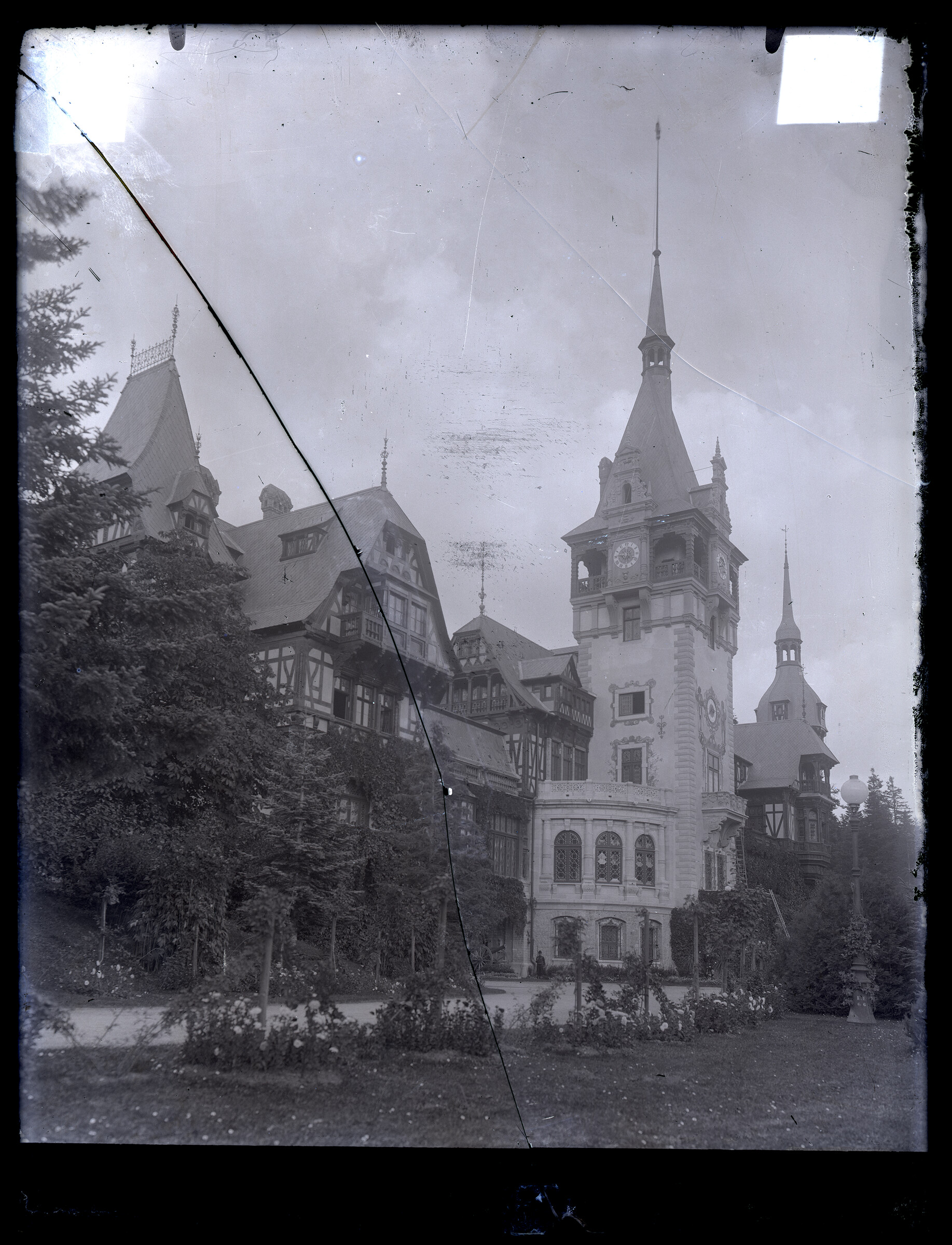
They exhibit at the Romanian General Exhibition, in the jubilee year of King Carol I. Their international career begins here: they become official photographers of the Romanian royal house, which draws attention to them across the Balkans. In the years that follow they will photograph several of the region’s sovereigns. While there, they have their picture taken in Hristo Duraco’s studio.
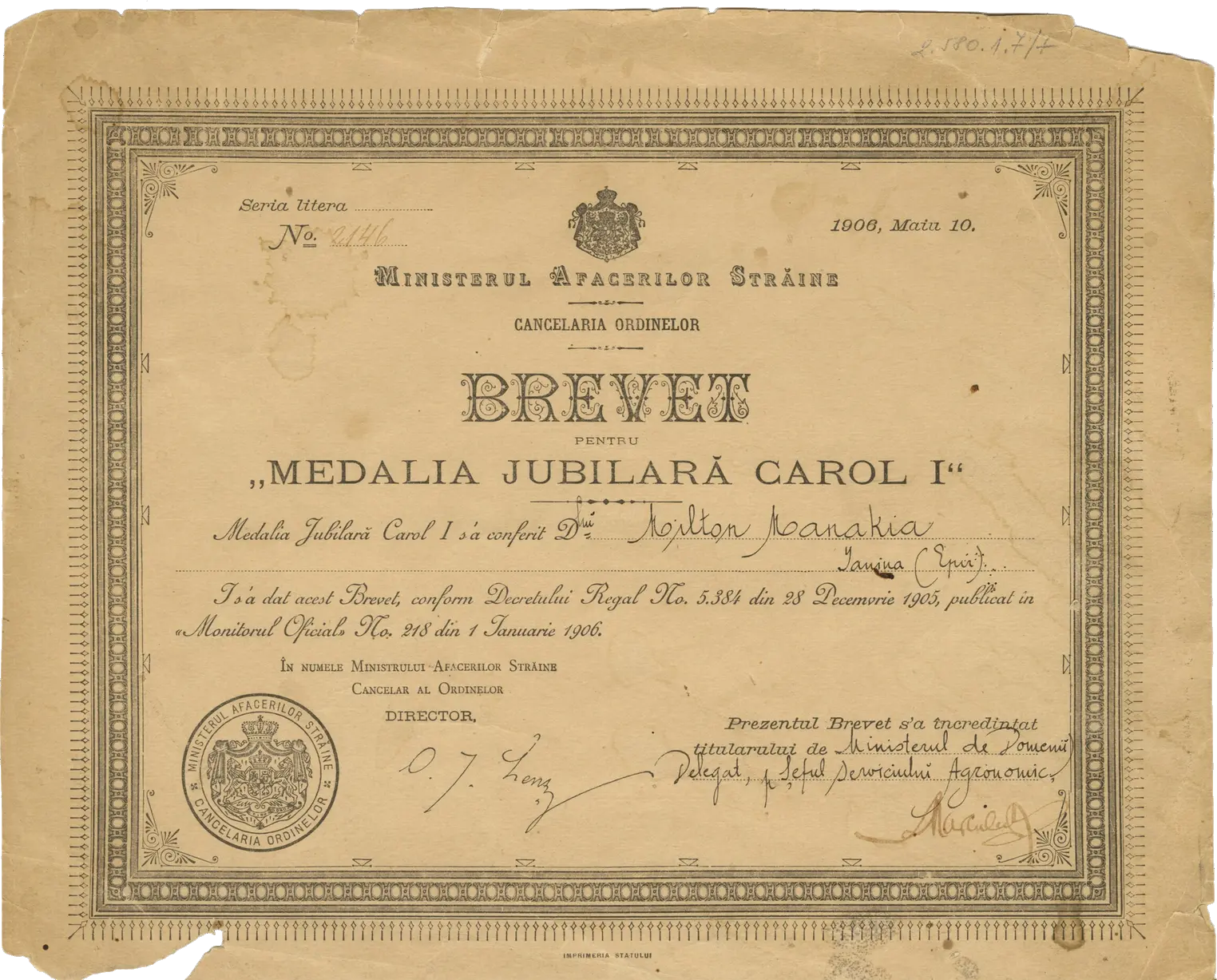
The exhibition jury gives them the collaborator’s diploma with plaque. In May, the Ministry of Foreign Affairs had sent Milton the patent of the Carol I Jubilee Medal. On both papers, under the name, stands the same place: Ianina.
In 1906 the photographs from the Pindus and Macedonia are acquired for the Museum of National Art in Bucharest.
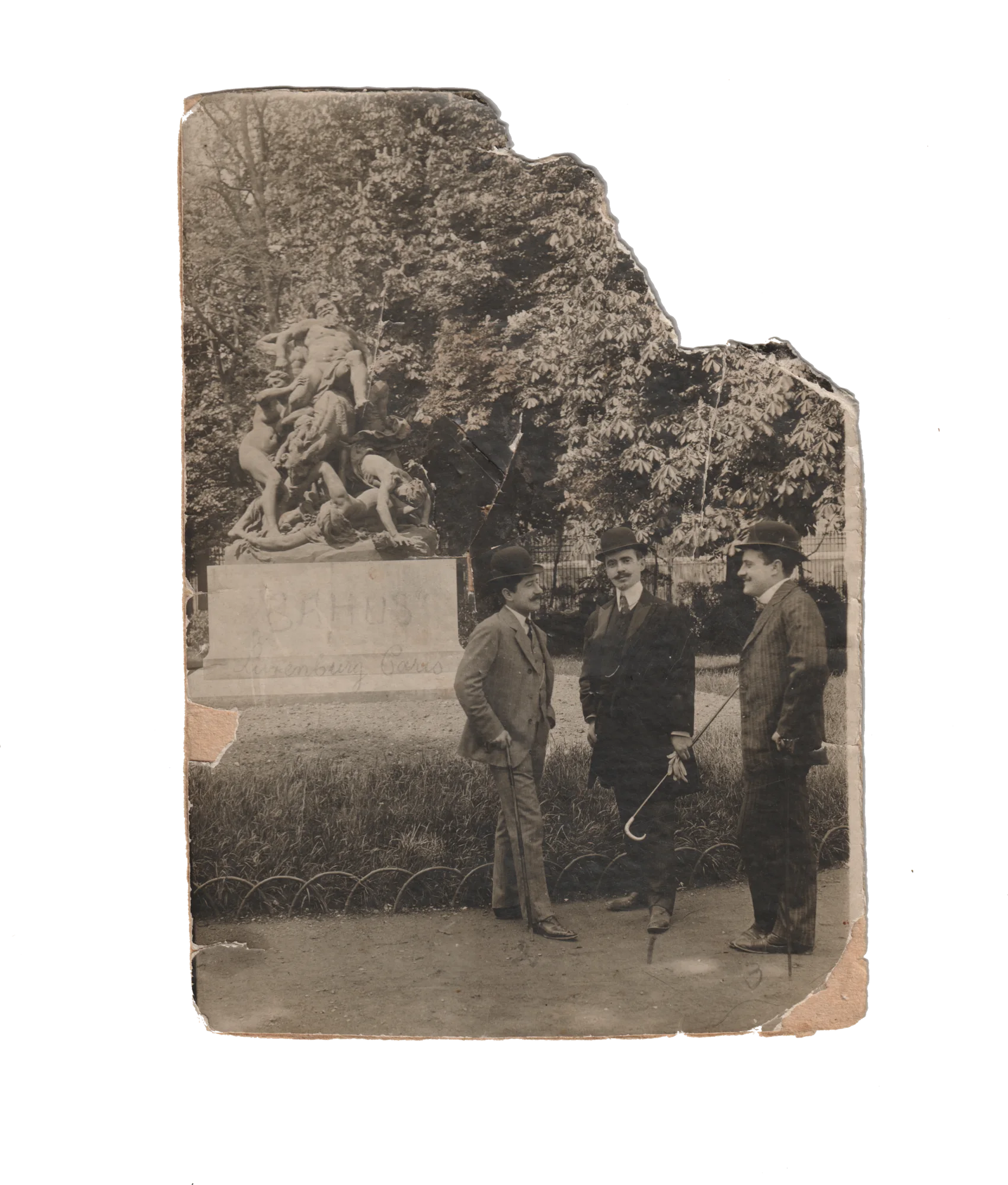
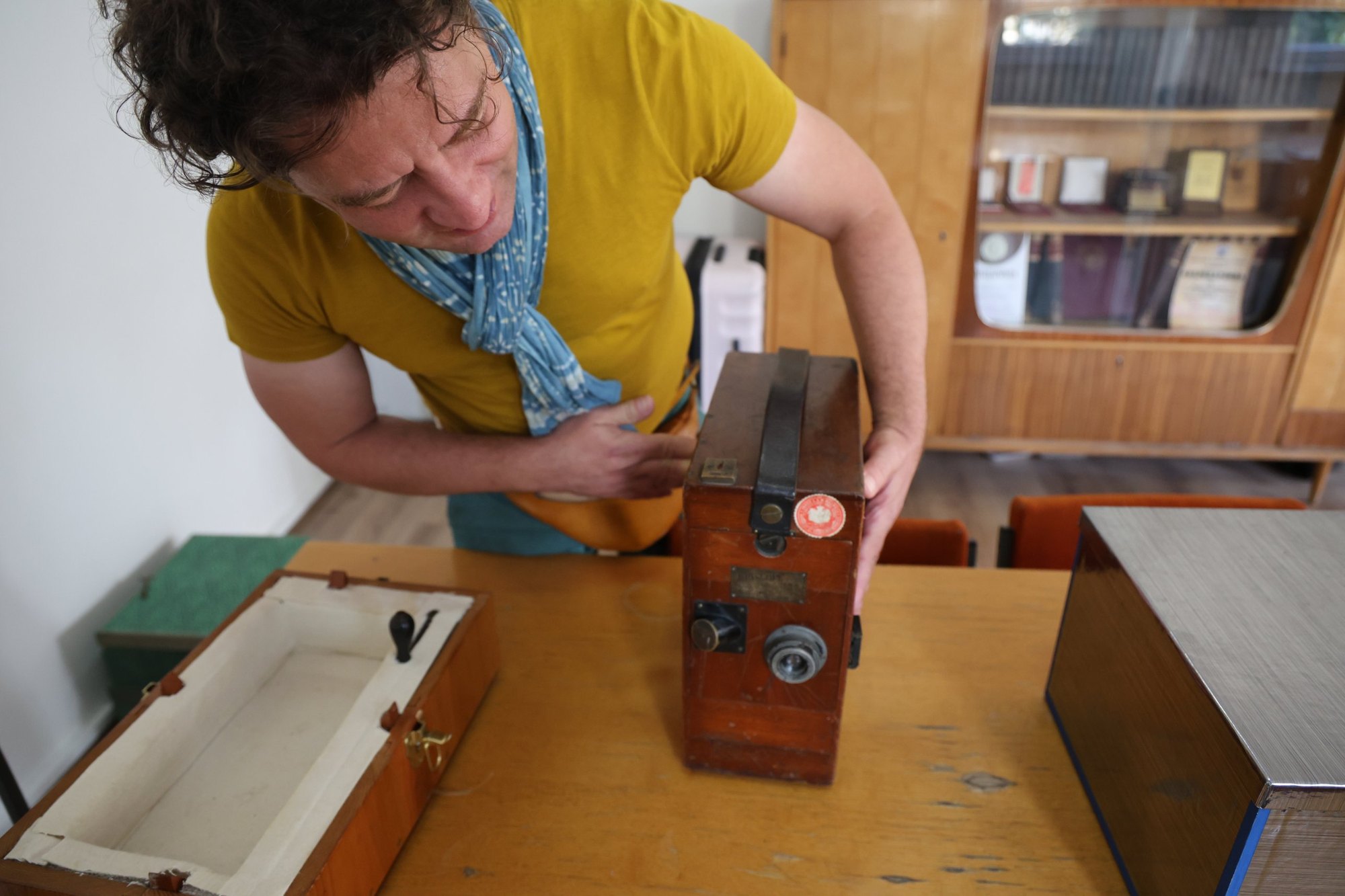
Camera 300
They buy a Bioscope camera, serial number 300, in London.
The story of the dating, in the Journal →
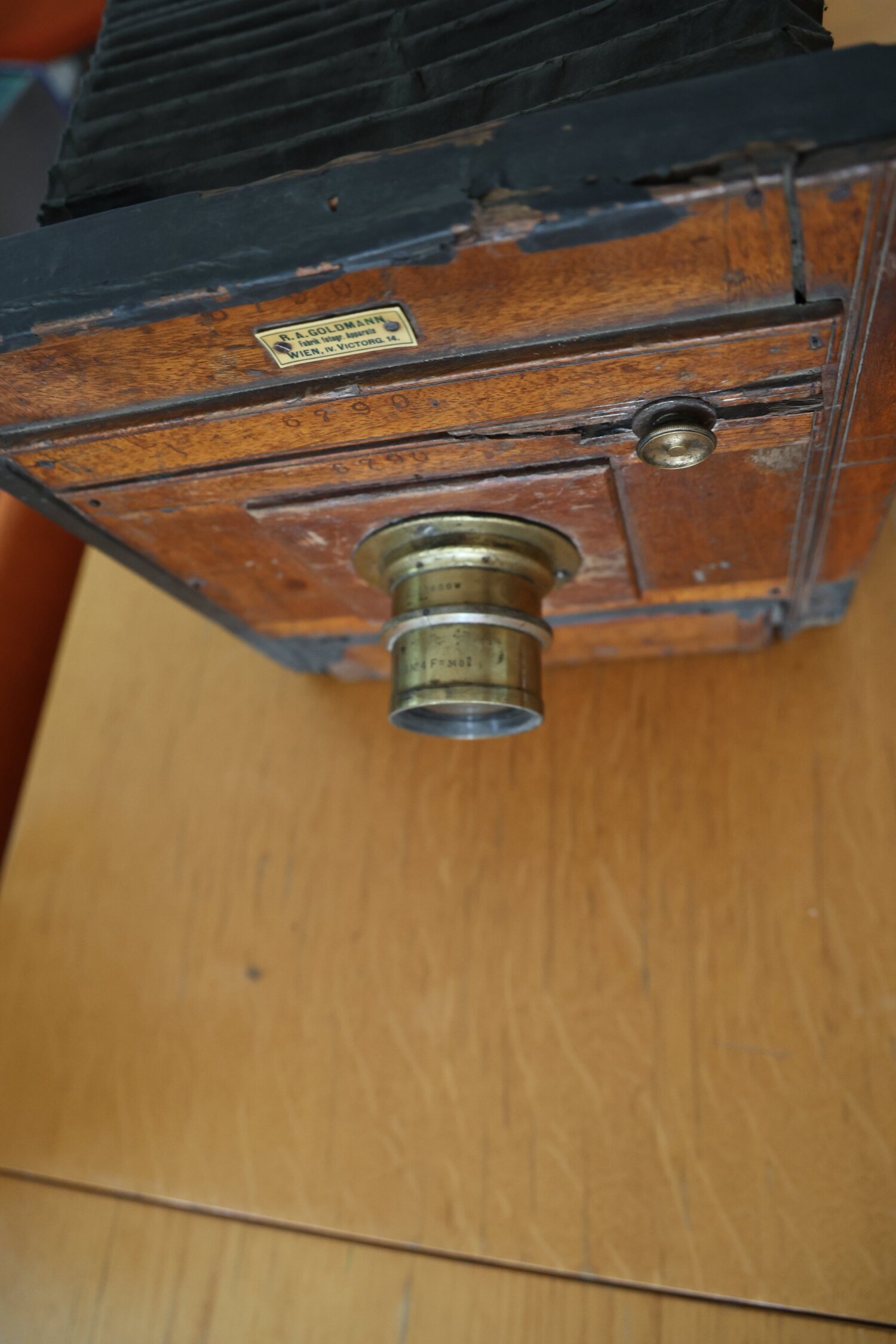
The camera is kept in the archives in Bitola. Beside it stand the brothers’ other cameras, among them a fixed studio camera with bellows, made in Vienna.
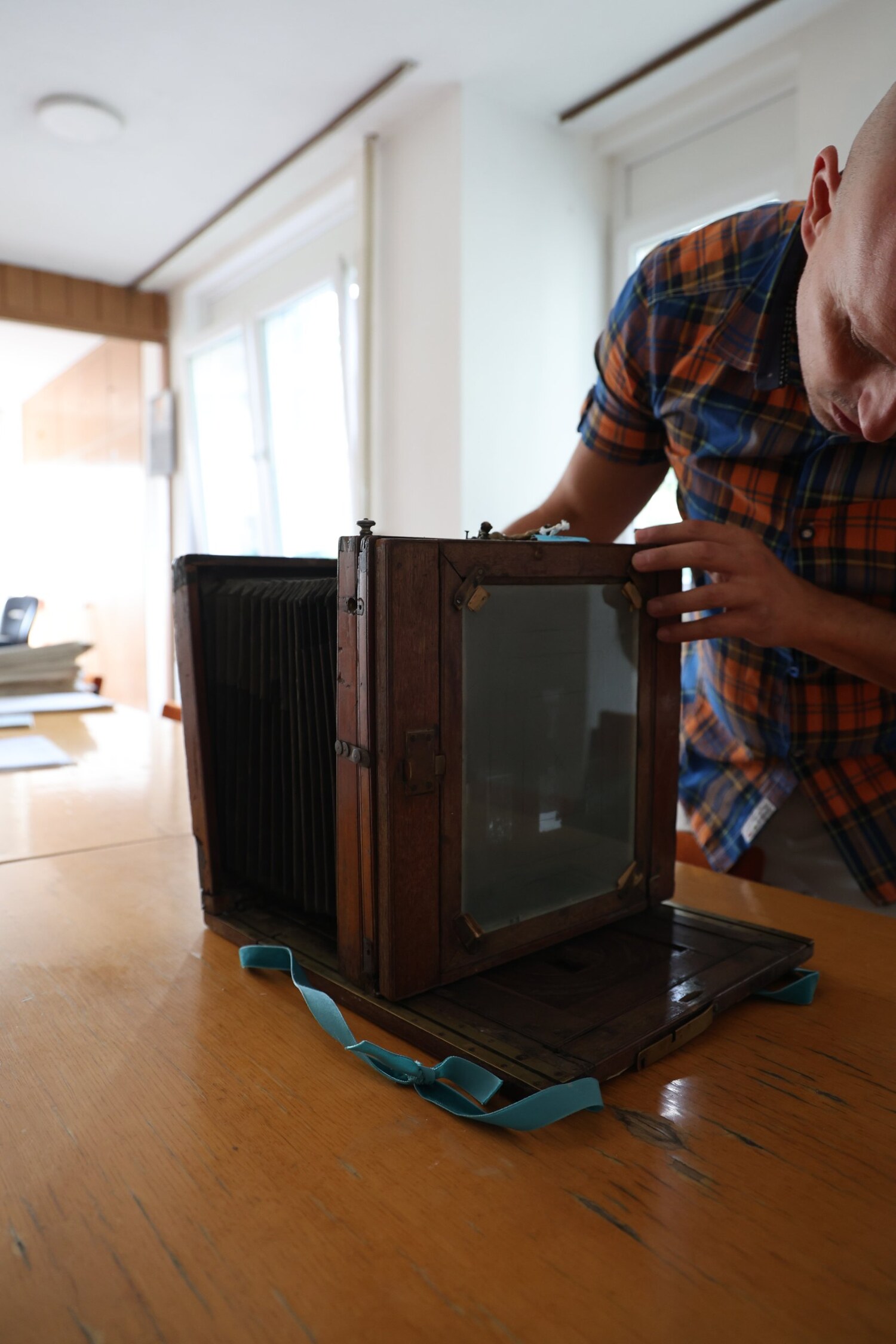
BitolaState Archives, Bitola Department — photographs by Cătălin D. Constantin
Maia Despa film
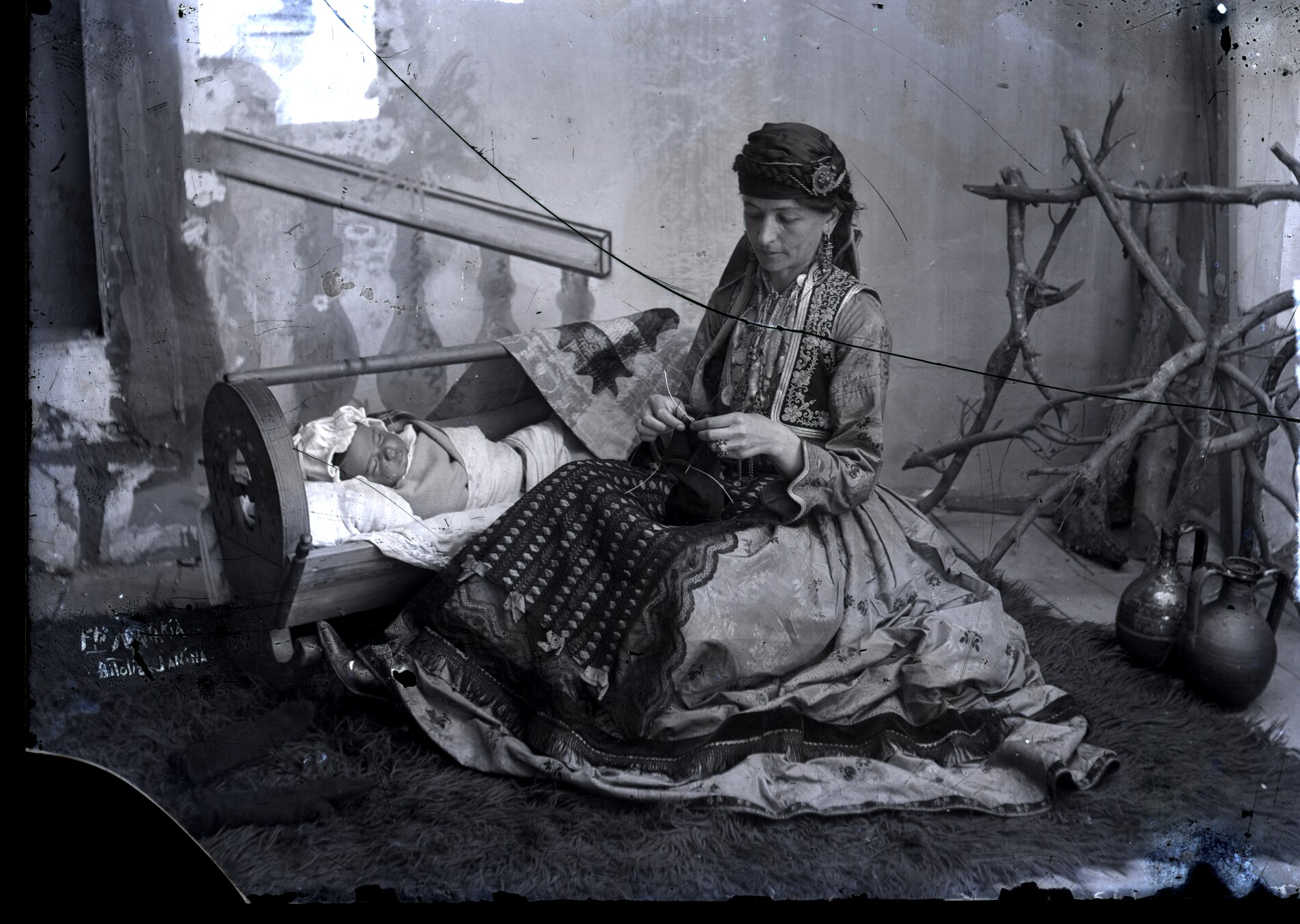
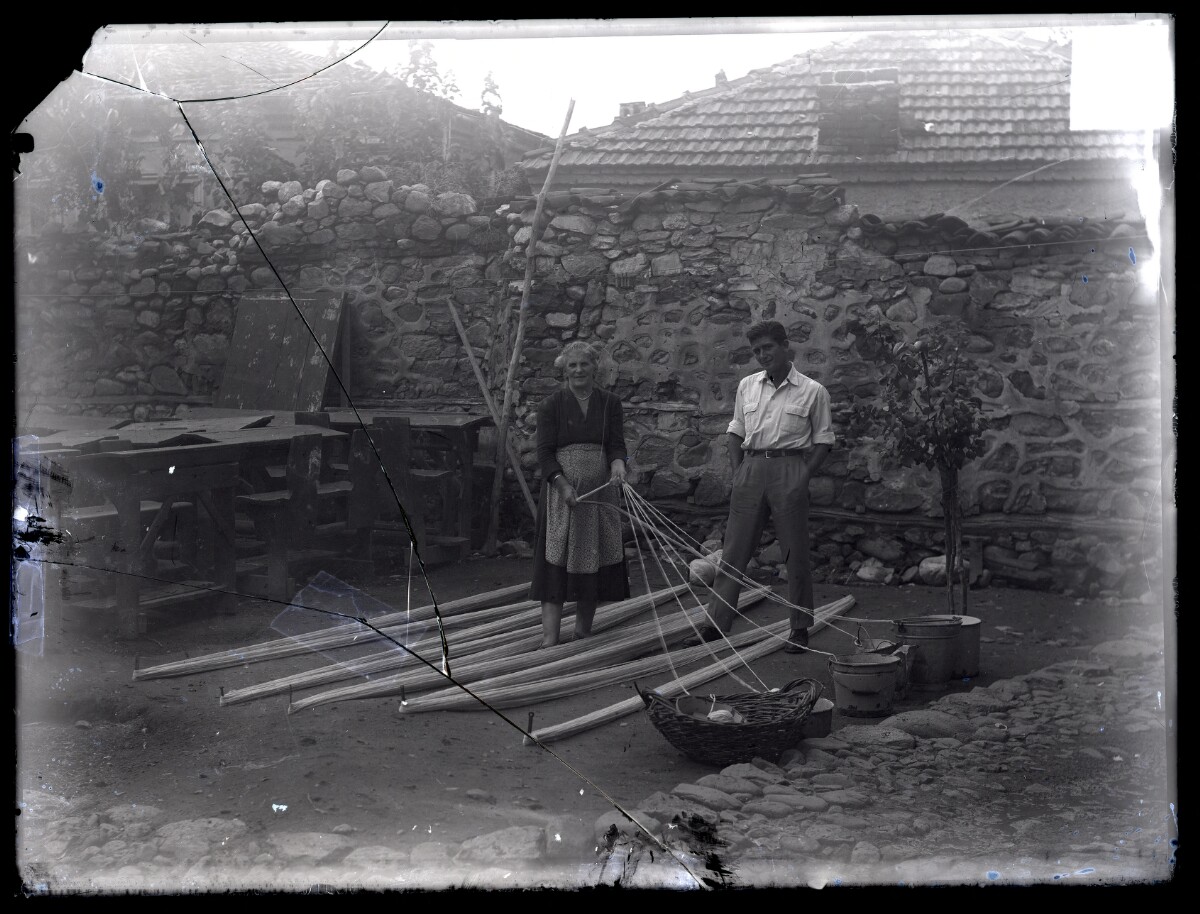
Their first film is called The Weavers. It was shot around 1905–1907, with Milton behind the camera. All the women of the family appear in it, and the grandmother, Maia Despa, spins. From here the beginning of cinema in the Balkans is counted. The story of the dating, in the Journal →
The same woman is also in a photograph that stayed in Salonica: among other women of the family, weaving. The still image and the moving one sit in different archives and had never been placed side by side until now.
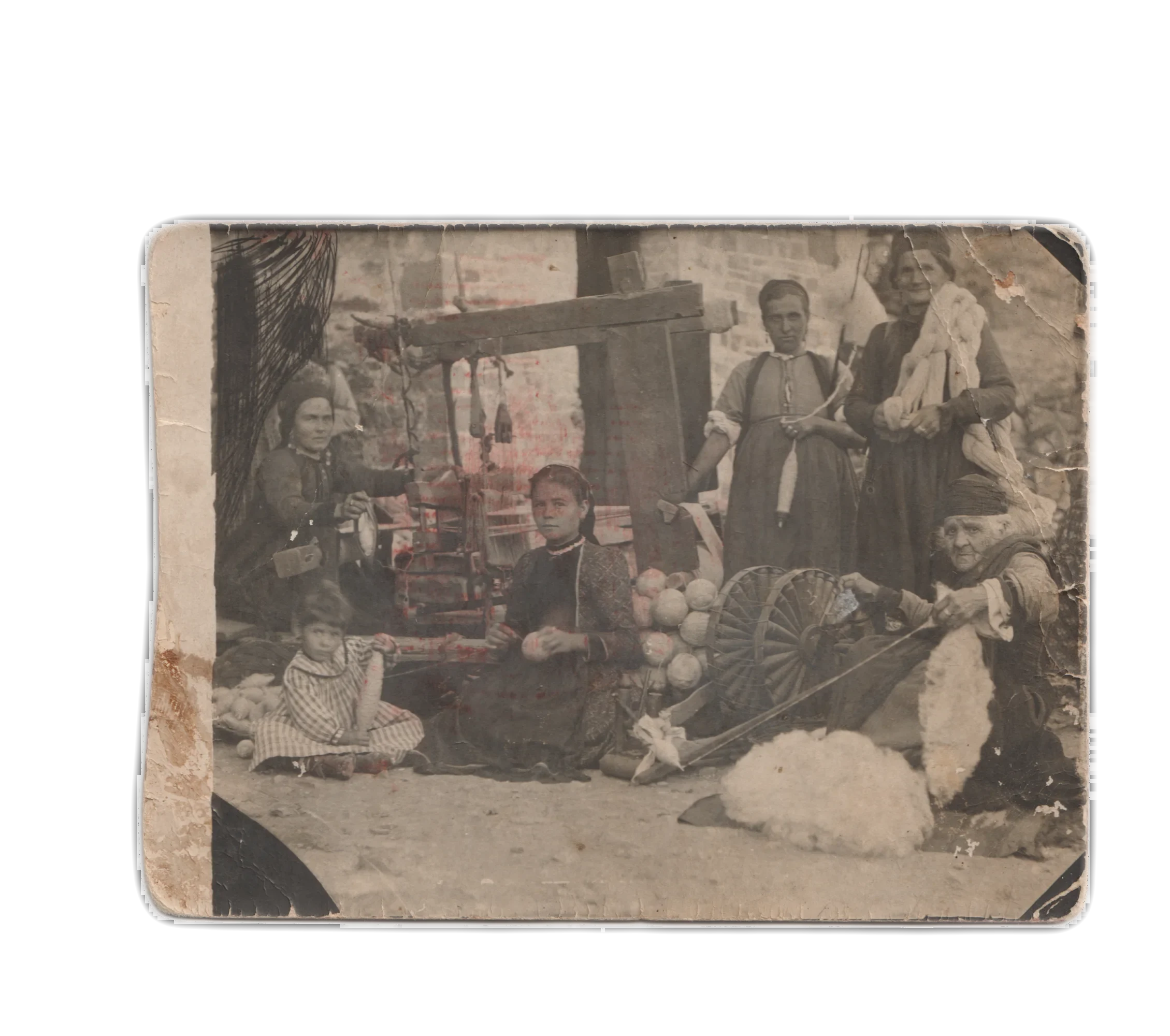
The first filming film
They film the open-air school of their native village, Avdela, then dances, weddings, shepherds, the road of the flocks. Some of the films are hard to date precisely.
Hürriyet film
The Ottoman constitution is restored. Monastir, today Bitola, is one of the great stages of the event. The brothers film parades, crowds, horsemen. On the façade in the photograph, Ottoman flags and an inscription in Arabic script.
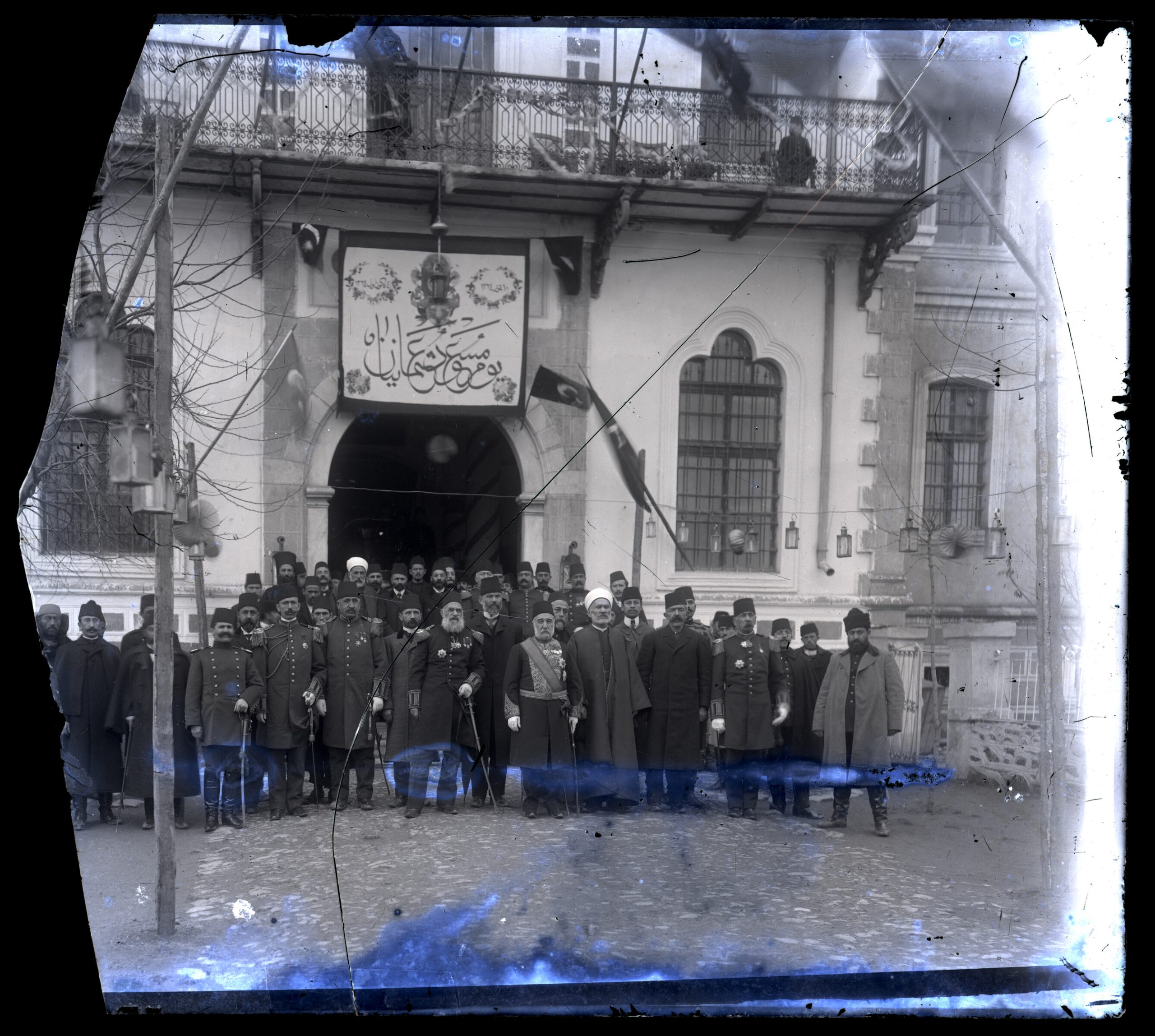
The Romanian delegation
The reception of the Romanian ministers led by Dr Constantin Istrati, at the Terpsis restaurant on Station Street, in Monastir. On the left, Niazi Bey.
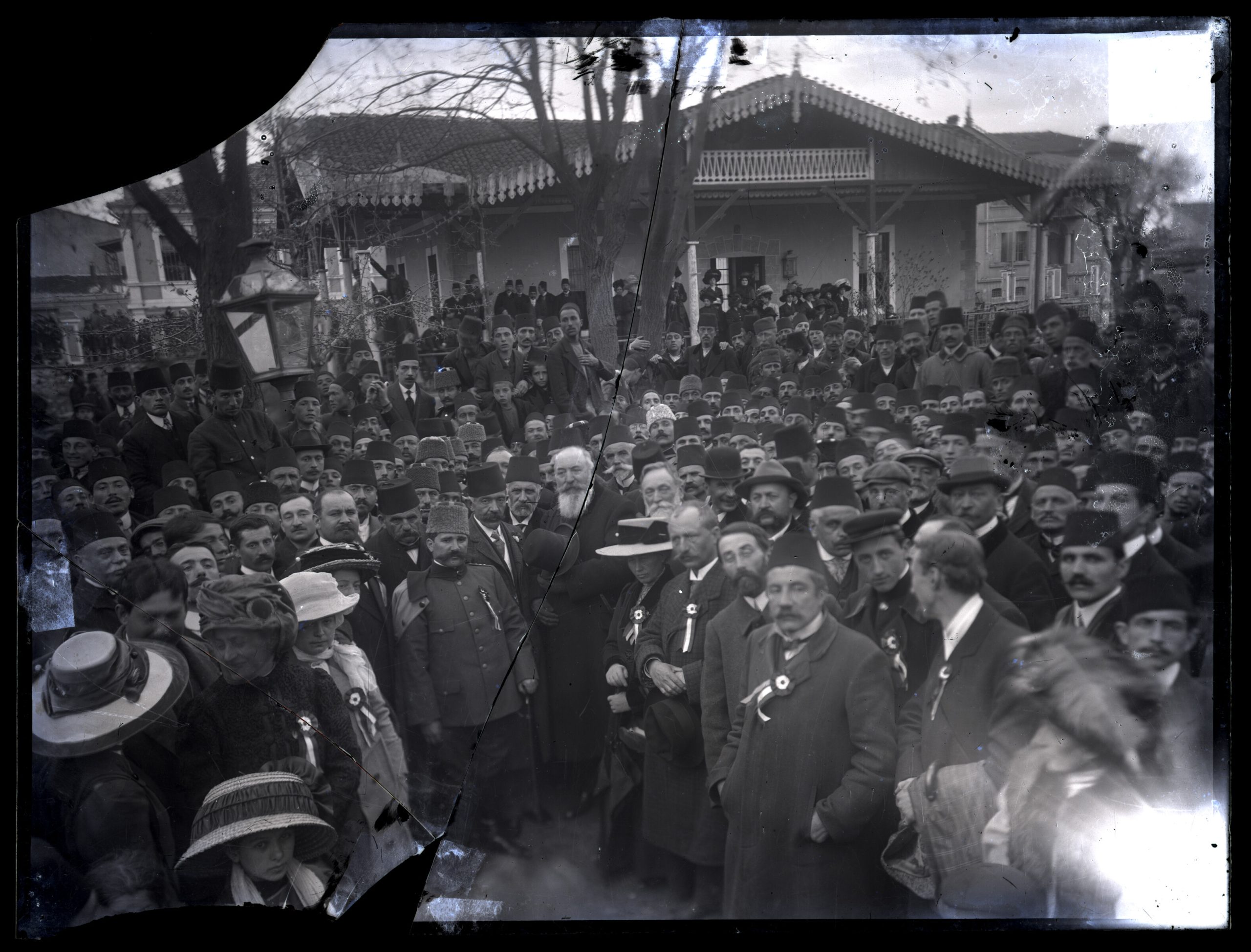
The Sultan film
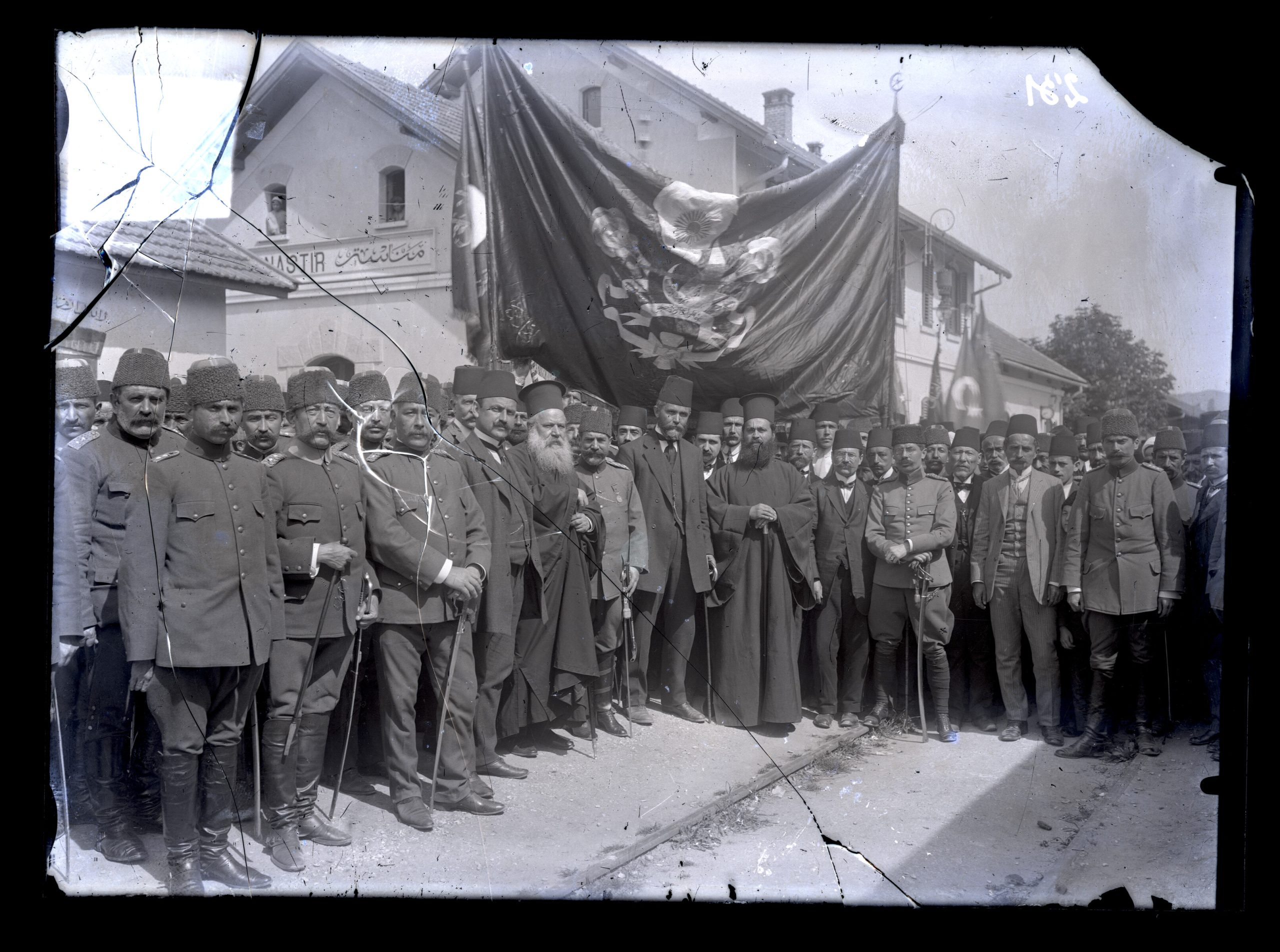
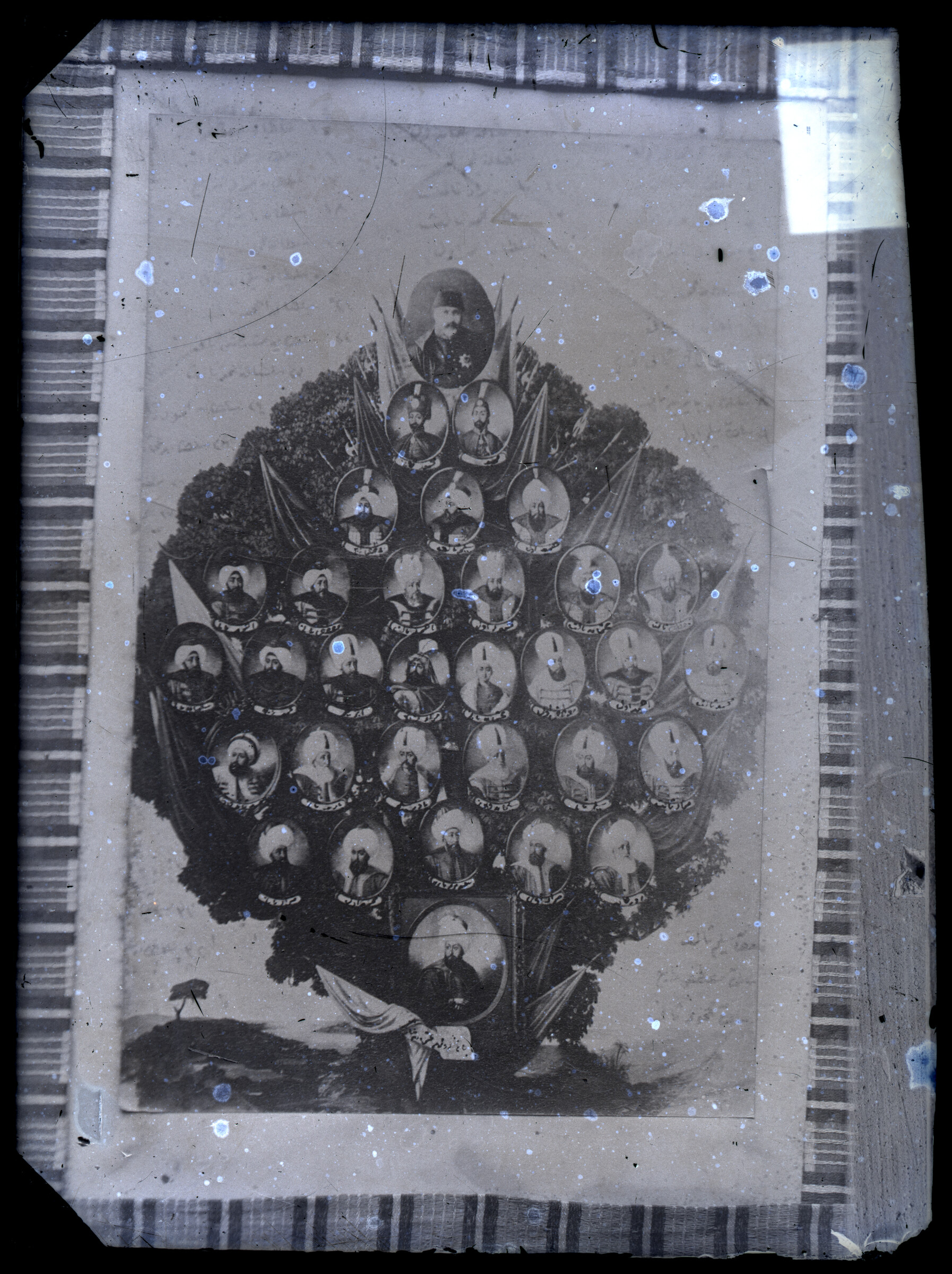
Mehmed V Reşad comes to Salonica and to Monastir, on the last visit of an Ottoman sultan to the Balkans, which were then still Ottoman. The tour was meant to calm the unrest in the territory, but a year later the First Balkan War breaks out. It is their greatest ceremonial subject: railway stations, receptions, troops, crowds. They will be named photographers of the Sultan’s court.
The same year they film the funeral of Metropolitan Emilianos of Grevena and the passage of a Romanian delegation through Monastir, Gopesh and Resen.
The Balkan Wars
Monastir passes to Serbia. Salonica, Ioannina and Avdela pass to Greece. The studio stays where it is, but it is now in a different country from their village.
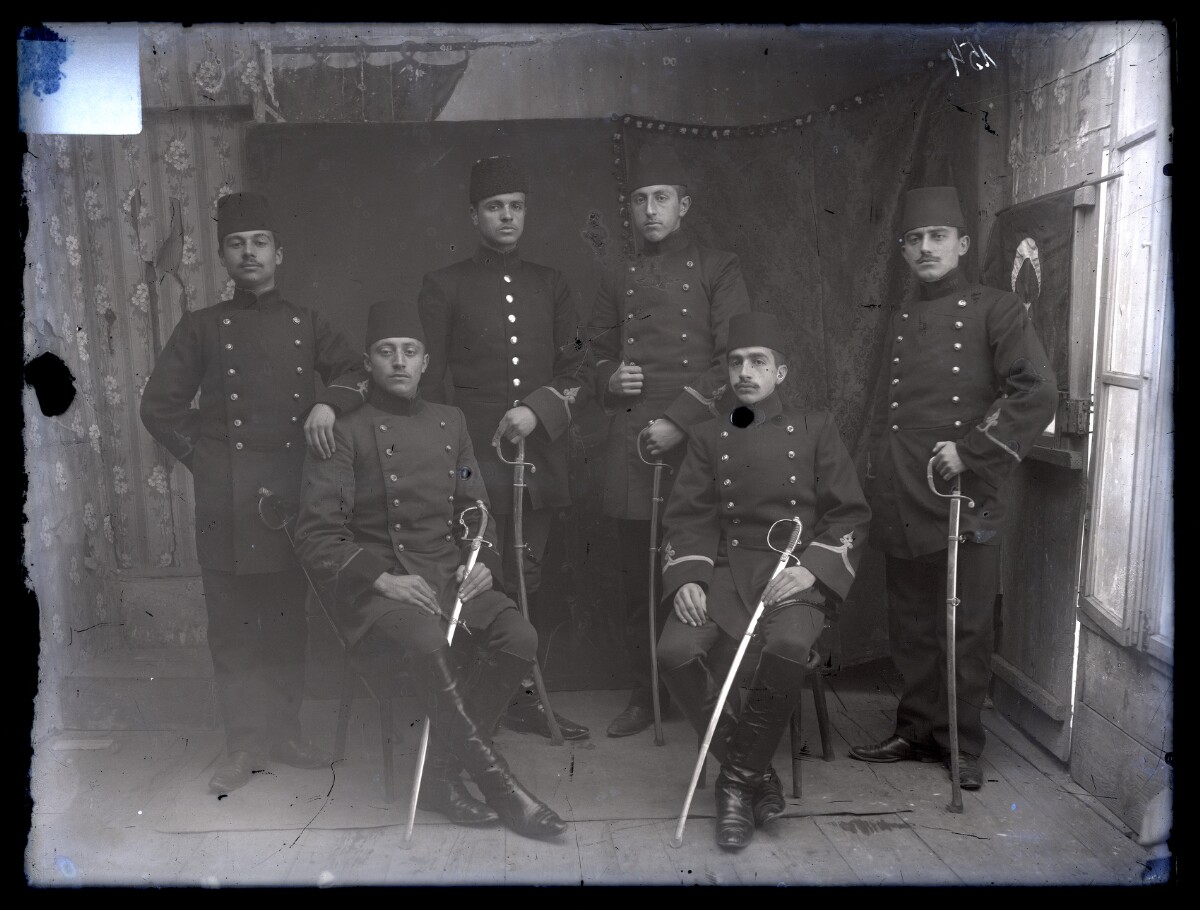
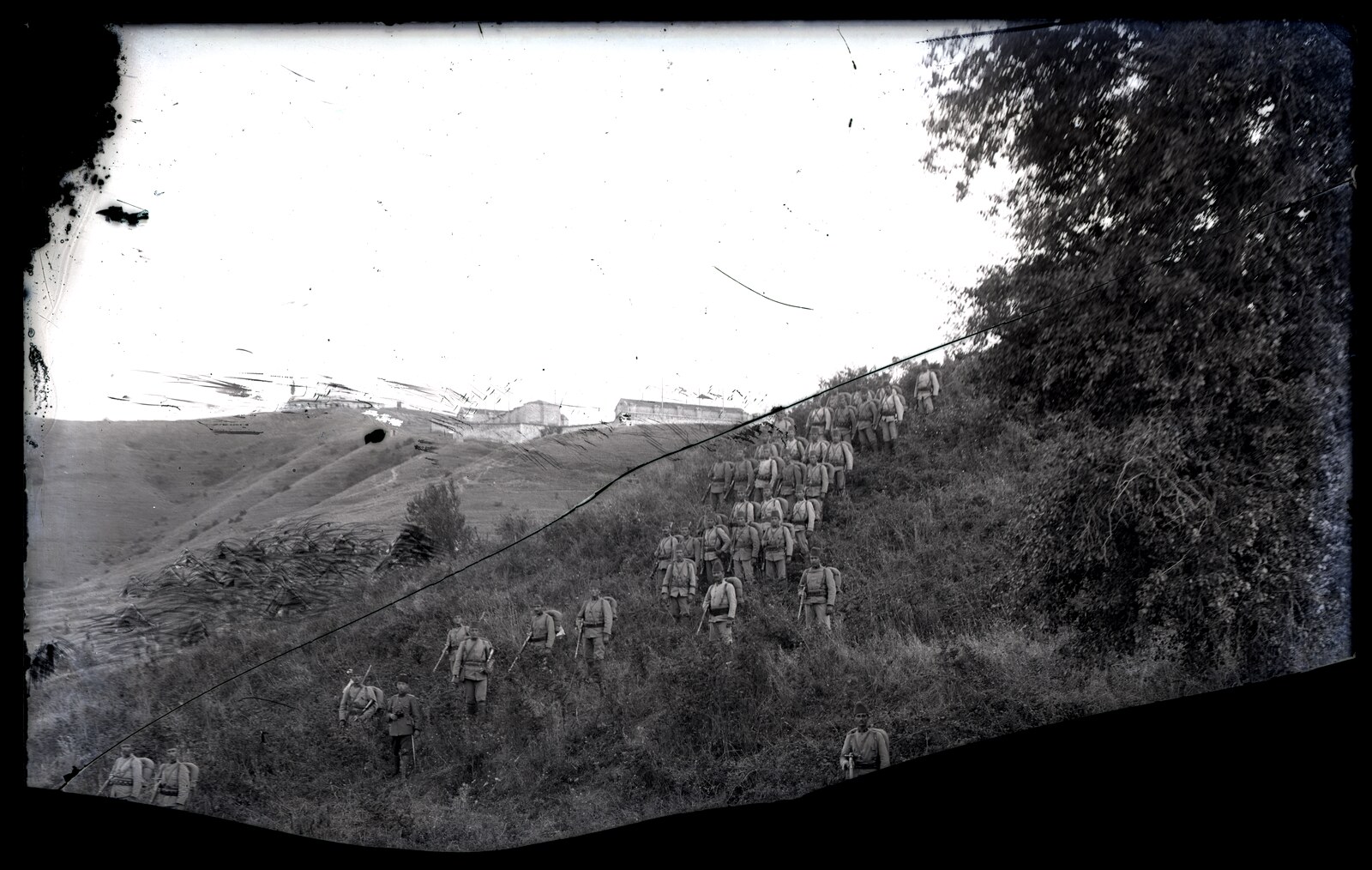
From the last years of Ottoman rule there also remain the photographs made for the army. They are undated; the uniforms place them before 1912.
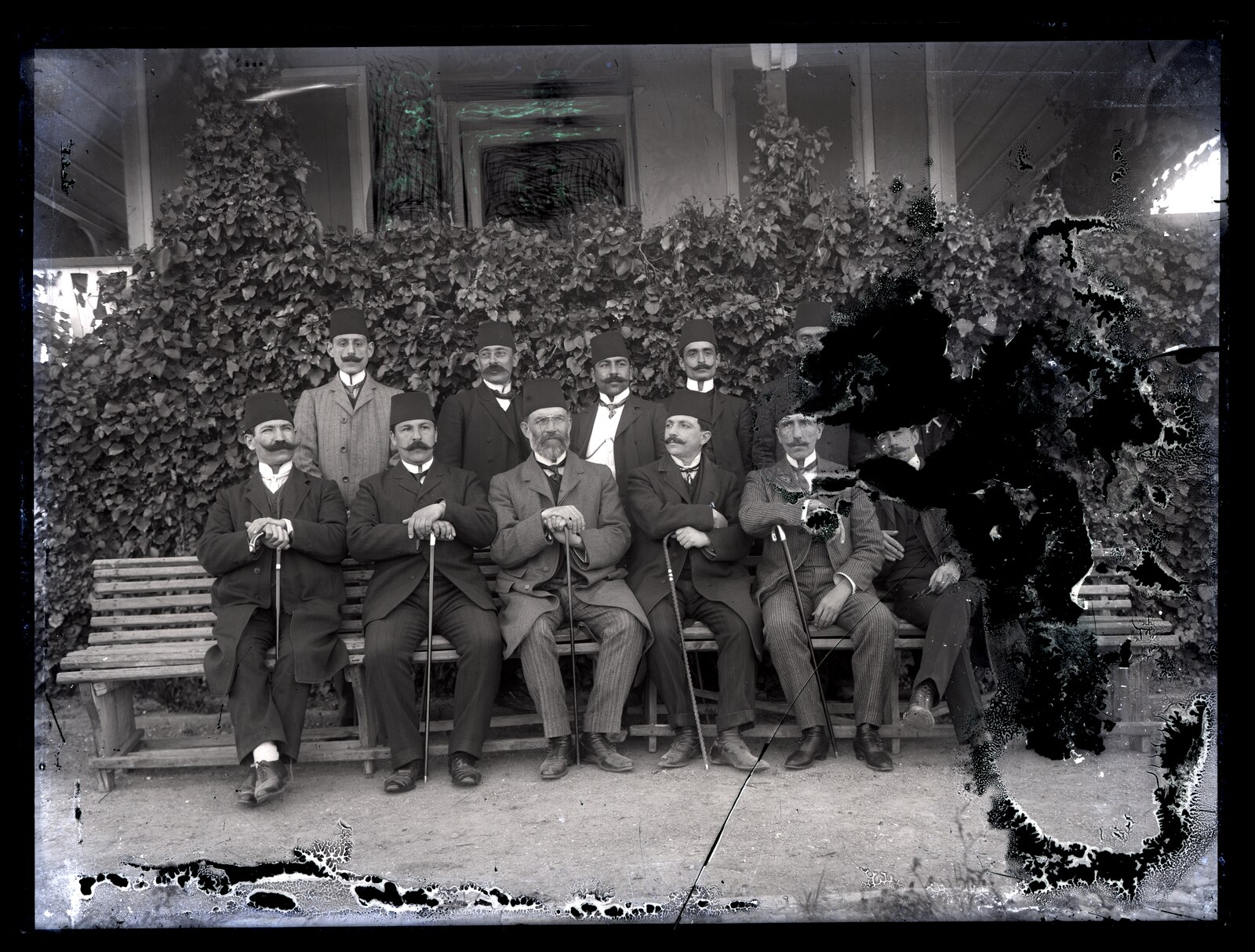
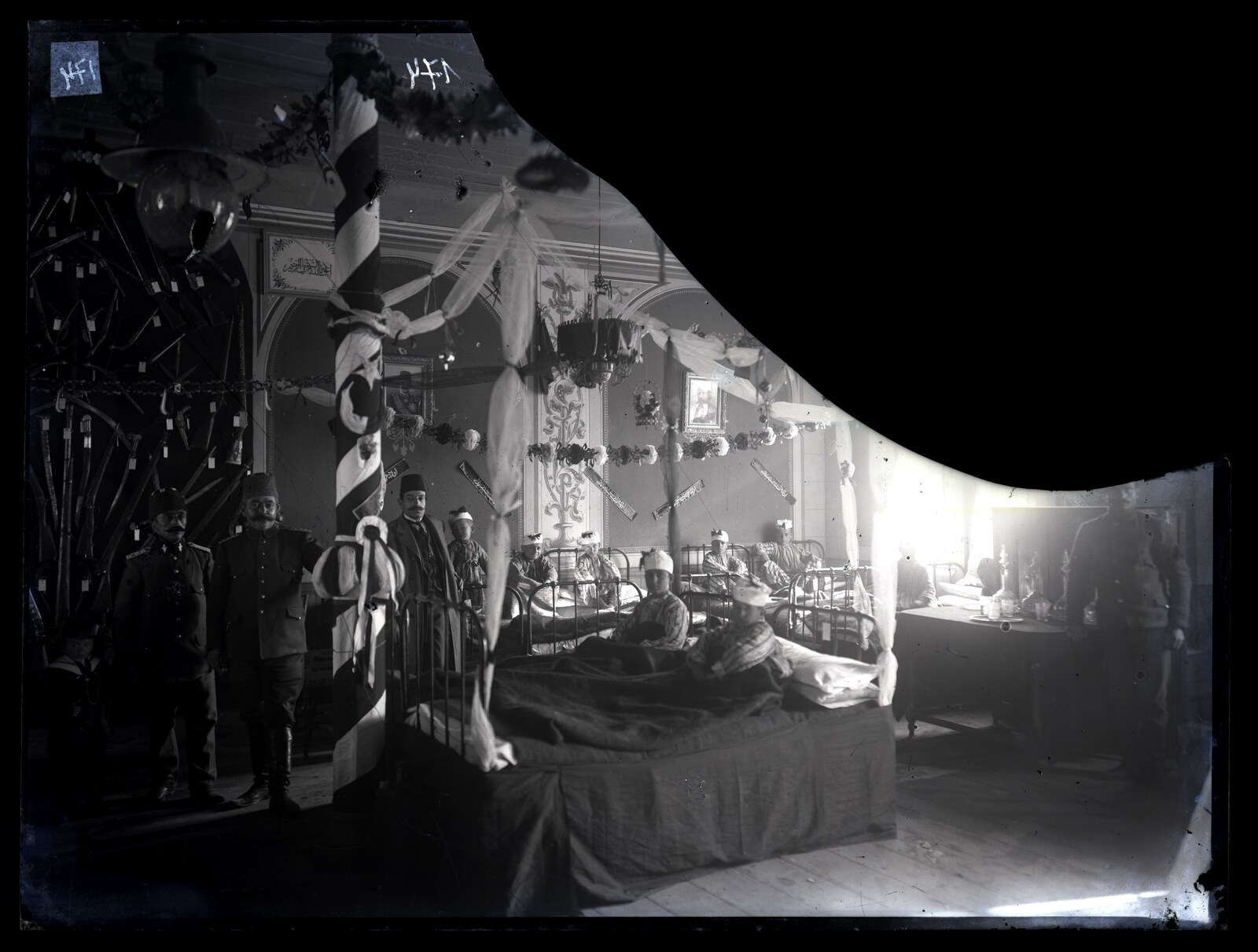
The front
The region becomes a front line. The photographs show shortages, soldiers, hospitals. The studio keeps working.
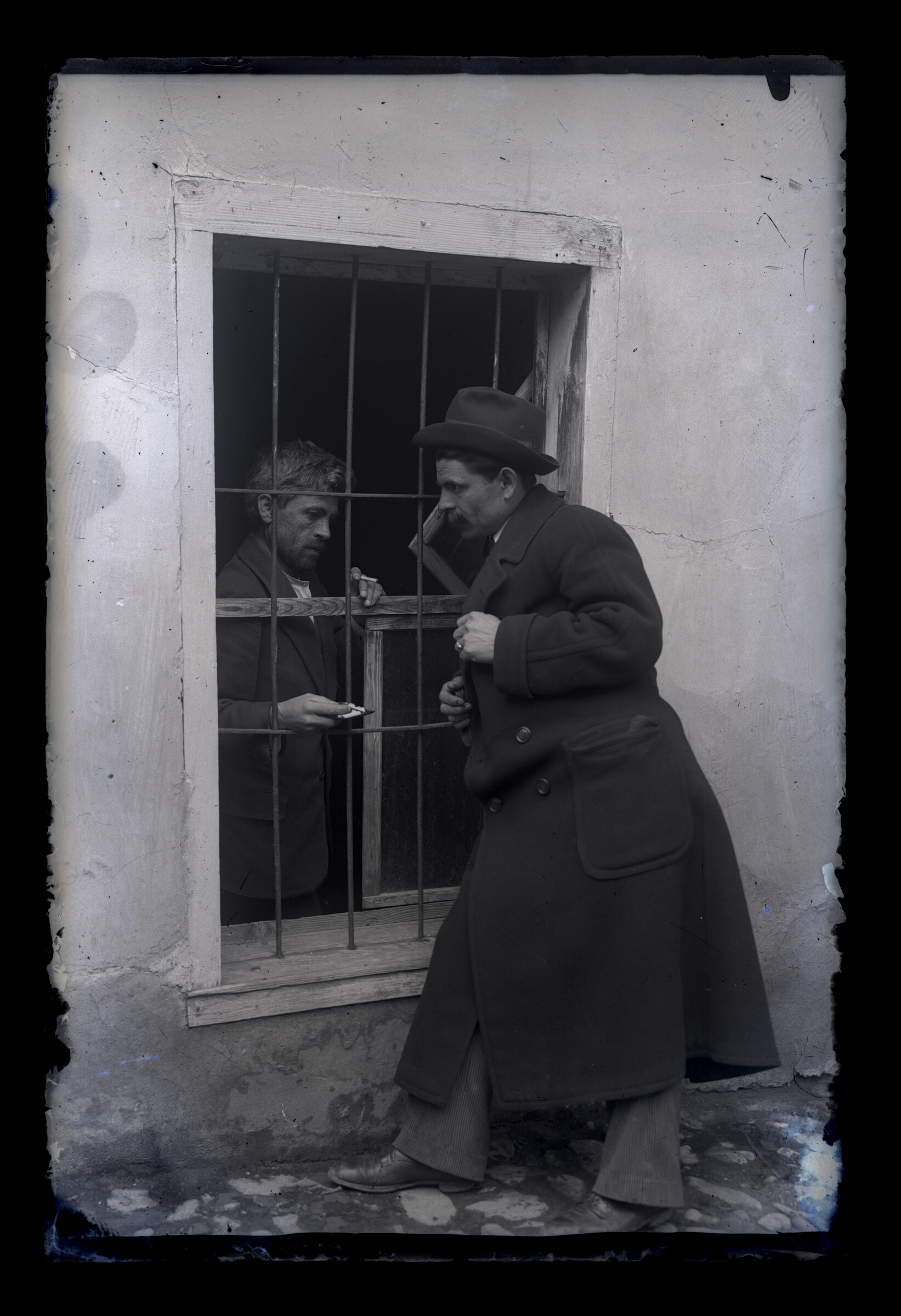
Through the bars
Ianaki is arrested under the Bulgarian occupation, on charges of illegal possession of arms and espionage. Before he is sent to Bulgaria, Milton photographs him at the window of the Bitola prison. One is in the street. The other inside, hands on the bars.
Plovdiv (Philippopolis)
Interned in Bulgaria, Ianaki opens a studio in Plovdiv, which many then still called Philippopolis. Milton stays in Bitola and keeps the studio open.
From those years survive the portraits of the people around him: a drawing teacher holding his portrait in her hand, the doctor who cared for him. In 1921 he gives power of attorney to a Bucharest lawyer to claim compensation for his internment.
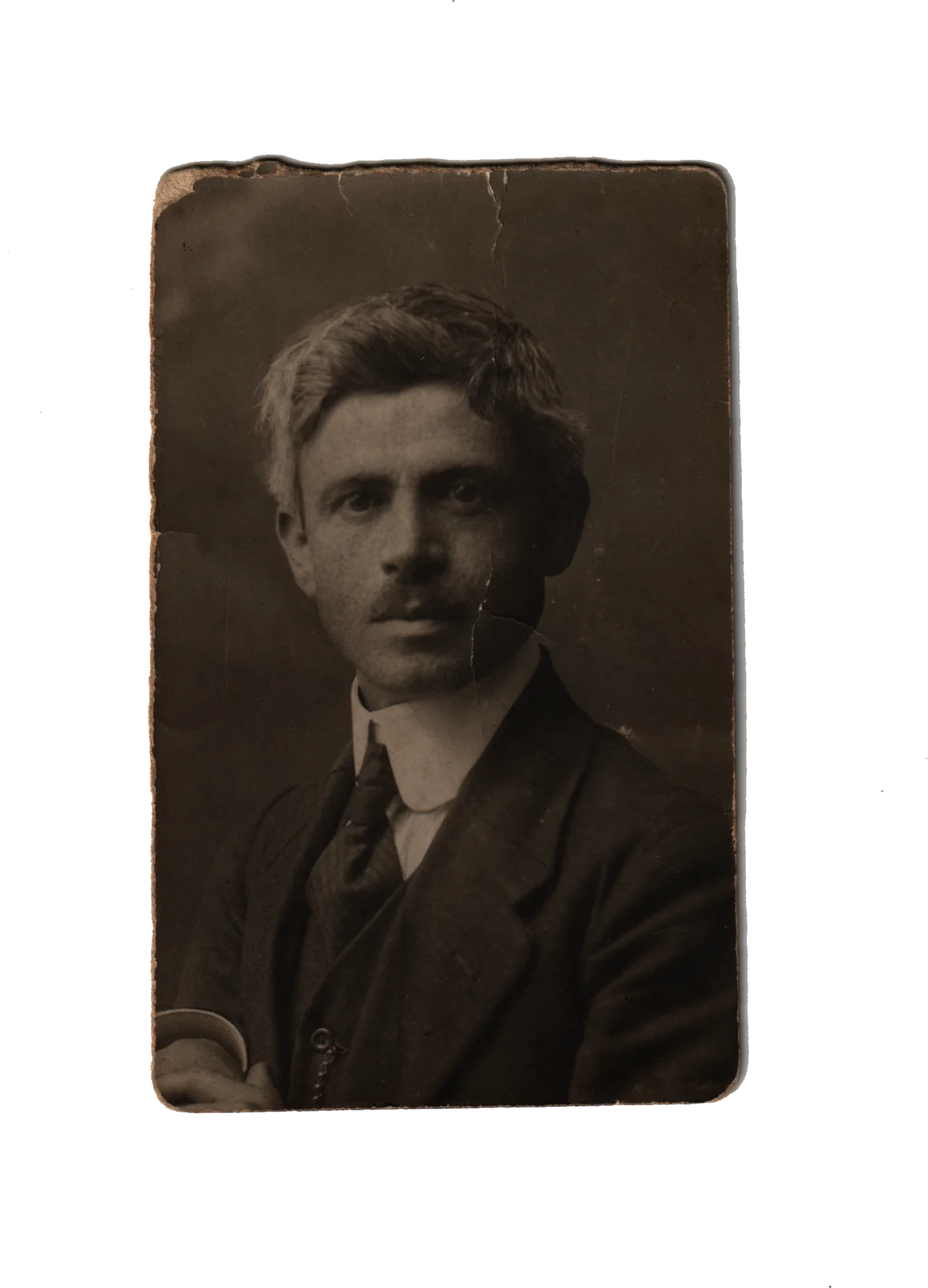
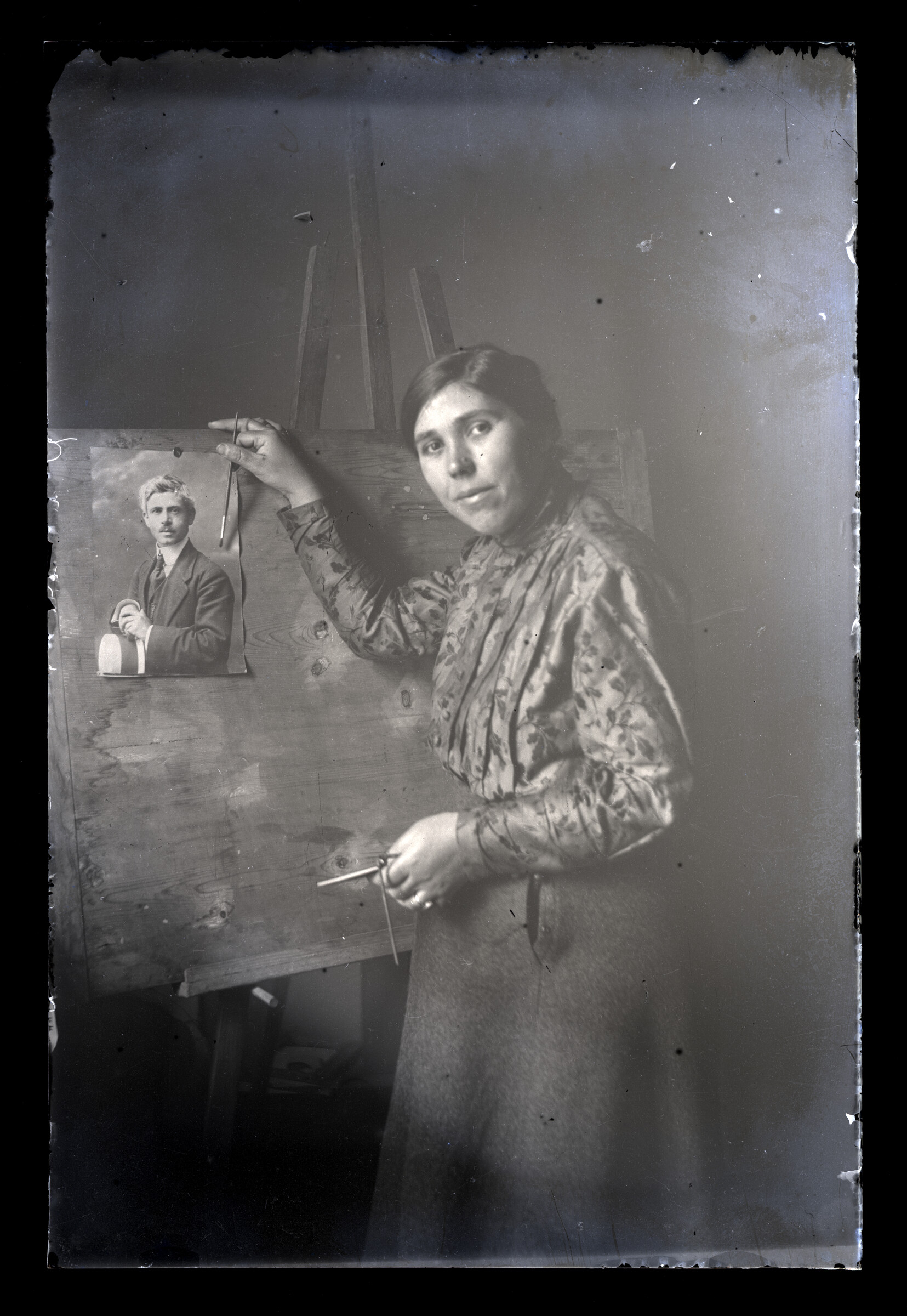
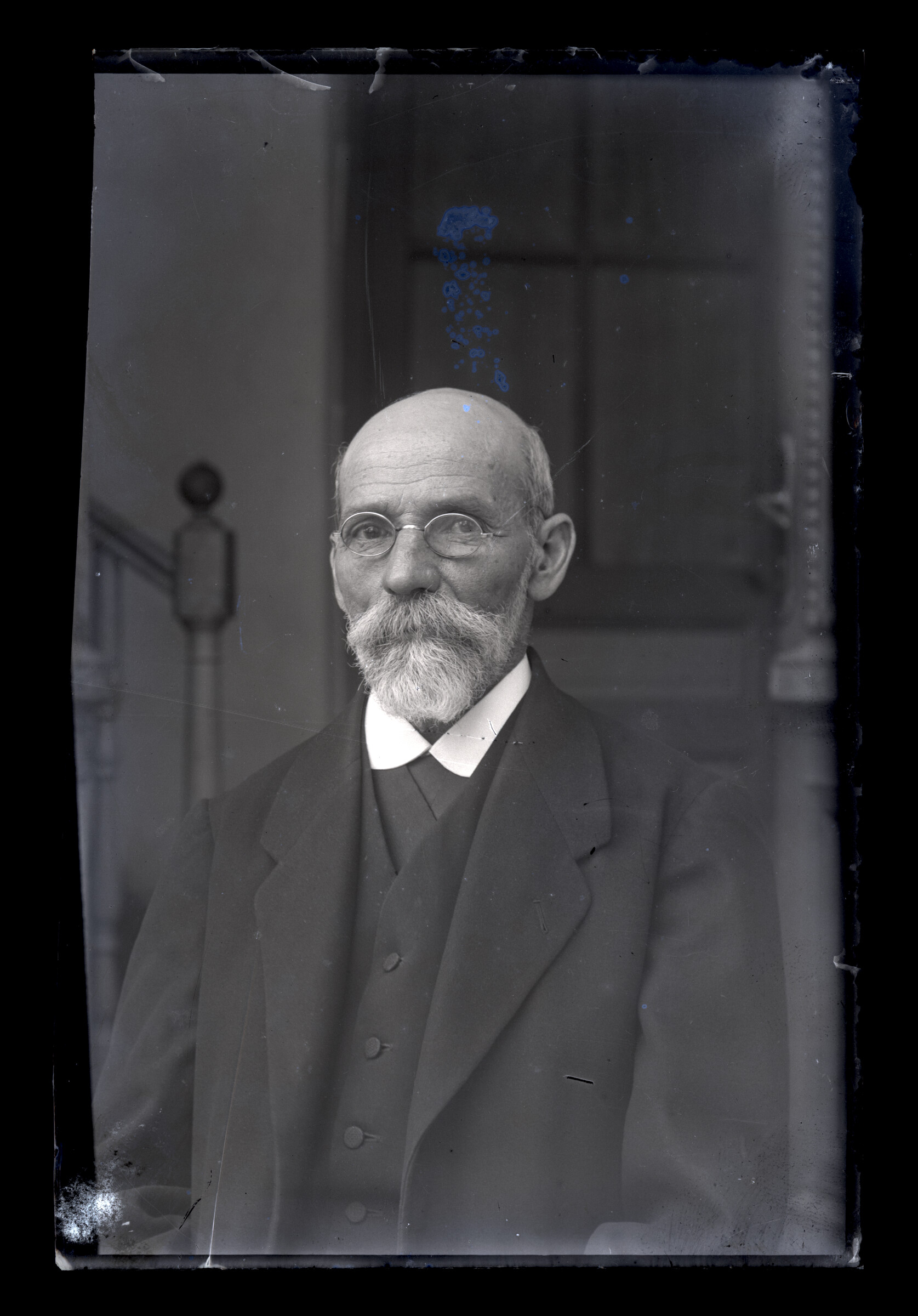
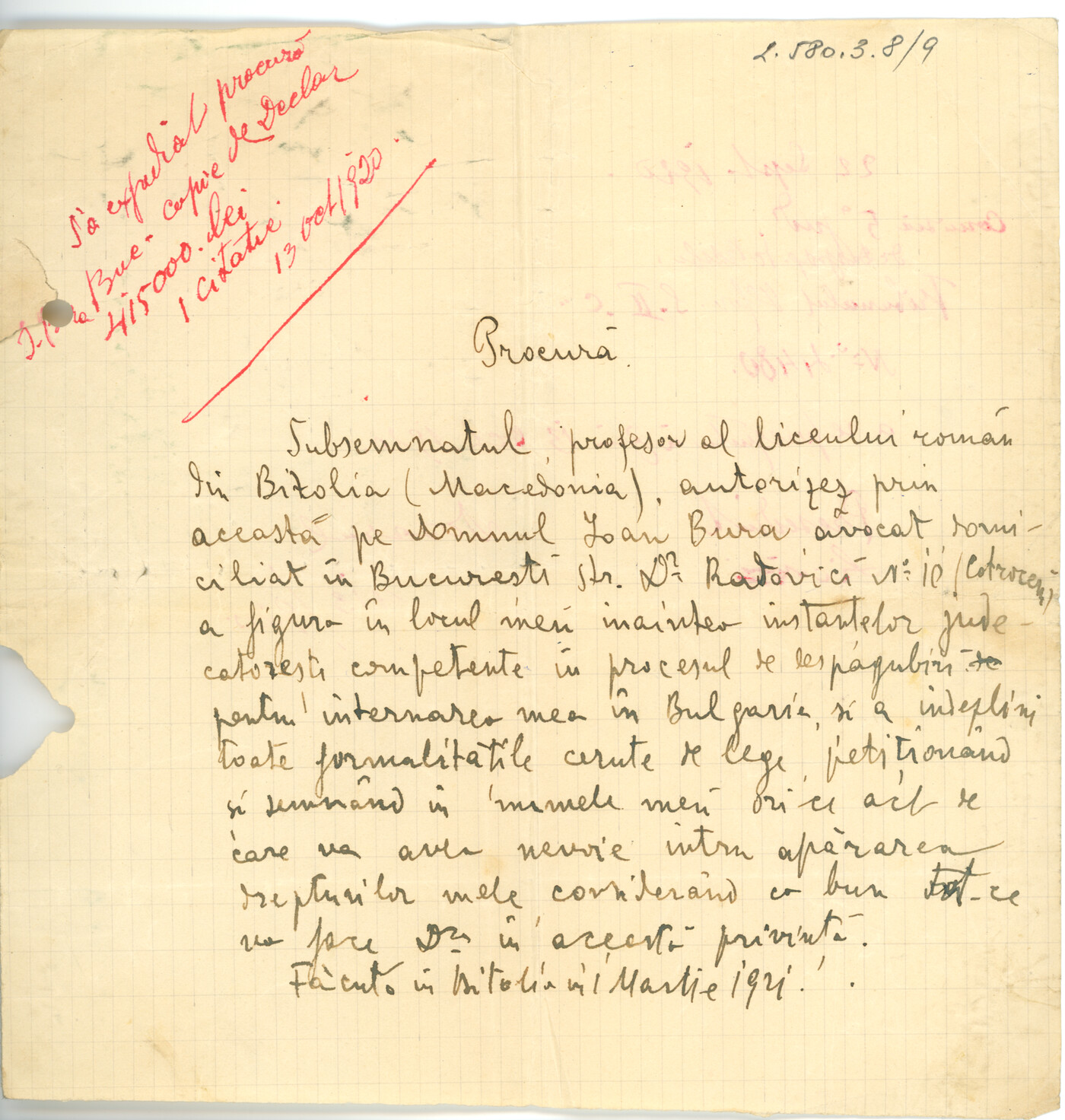
The studio rebuilt
Ianaki returns to Bitola. The city is damaged by years of shelling. They take up the work again.

An open-air cinema
In August 1921 they begin showing films in the open air, in Bitola. The screen stands in the centre of the town.
The Manaki Cinema
They put up a purpose-built house for the cinema, opened on 1 December 1923, with the name painted on the façade. The construction leaves them in debt.
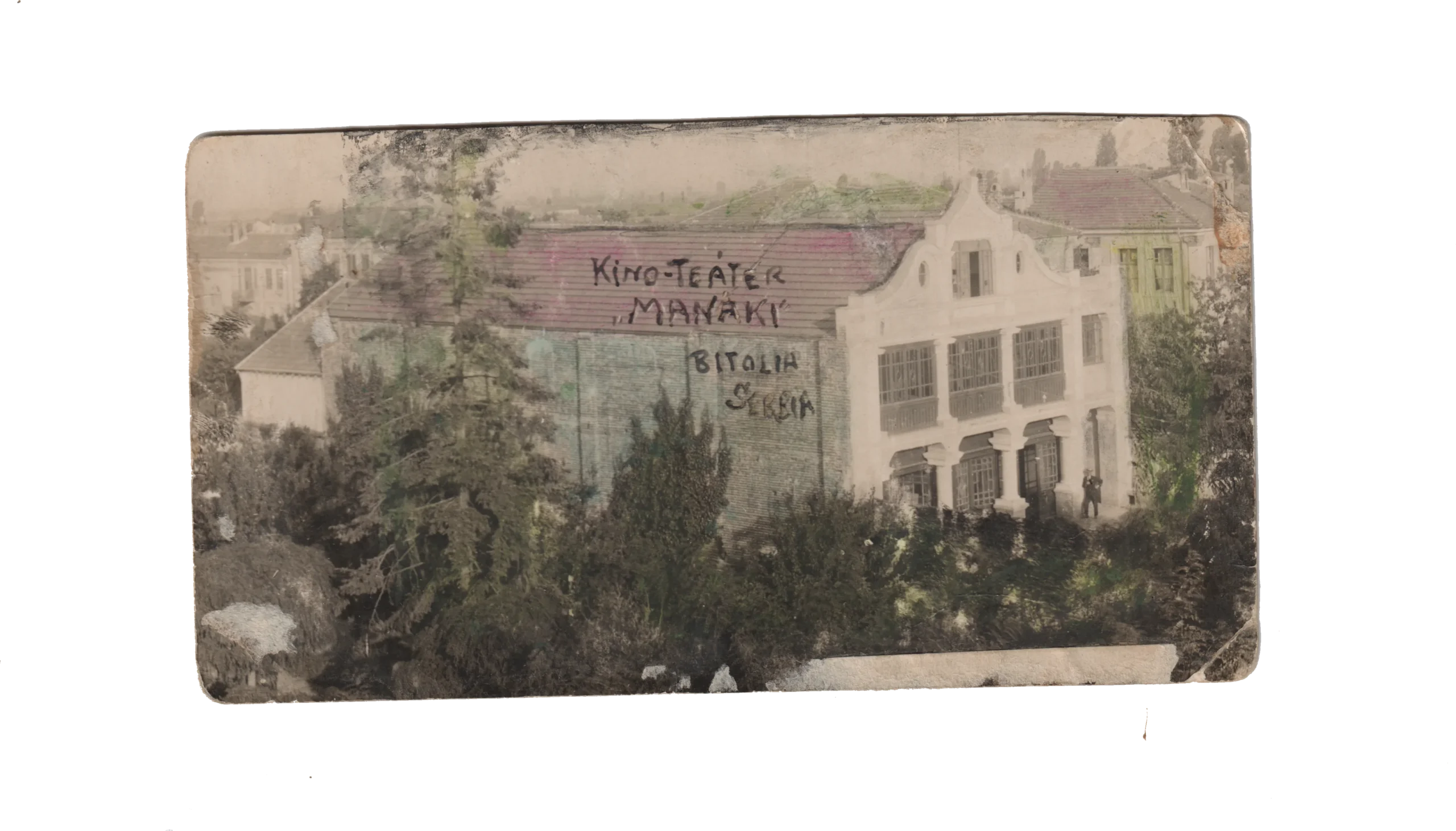
VraniVrani family archive, Salonica — scan by Cătălin D. Constantin
The cattle market, Epiphany film
A cattle market. Epiphany in Bitola. These are the last films that can be dated with certainty; it does not mean they stopped filming.
The kings
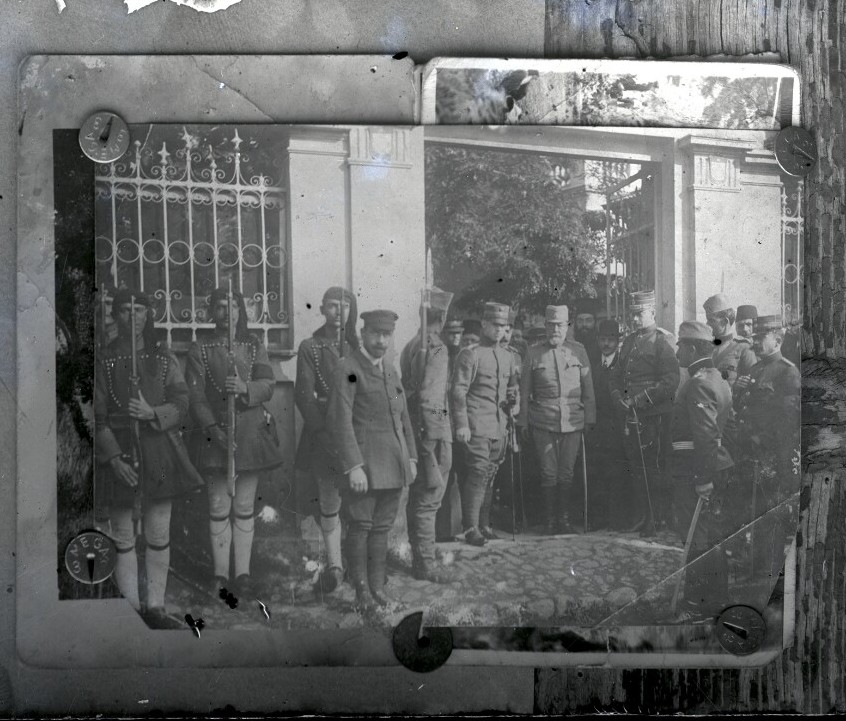
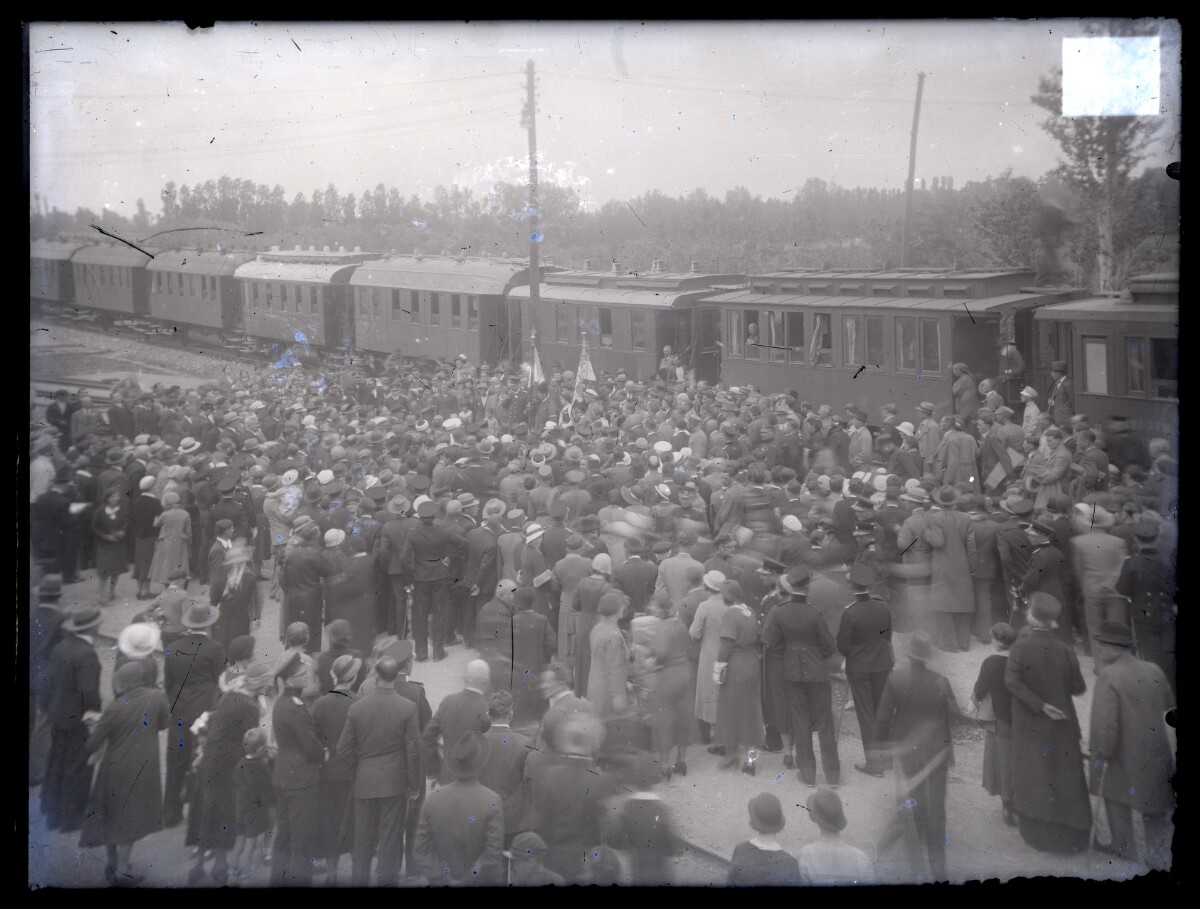
The studio photographs the officials who pass through the city. First King Alexander of Greece, received in front of the Greek consulate by the Serbian general Ilija Gojković; behind them stand the future Ecumenical Patriarch Athenagoras and the Evzones of the guard. Years later, at the railway station, the city waits for another Alexander: the Karađorđević king of Yugoslavia. Two kings, two crowns, one name.
The debts
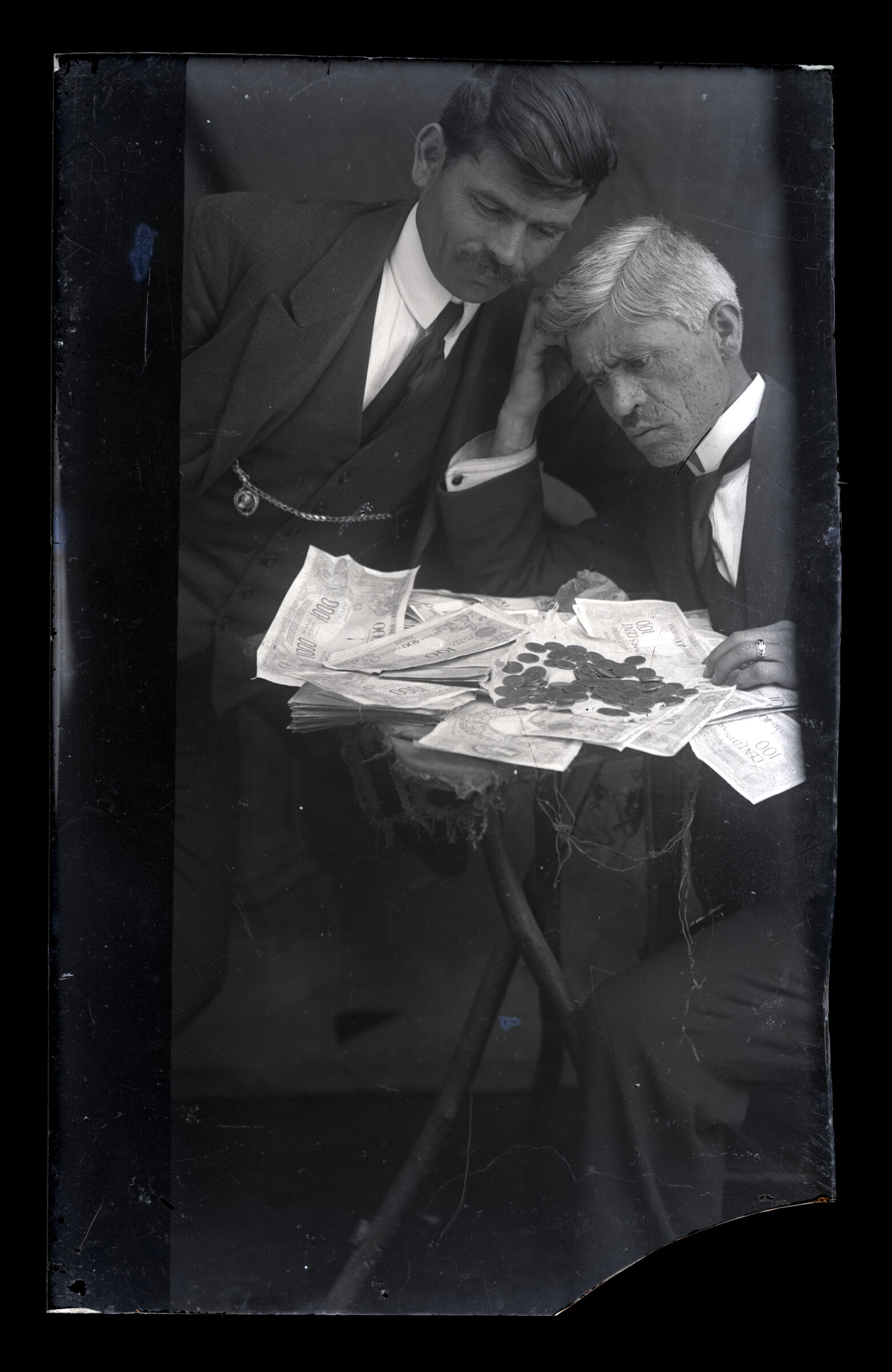
The cinema is leased to partners and tenants. The instalments pile up. In the early 1930s bankruptcy proceedings open.
Milton’s family
Milton marries, at fifty-four, Vasiliki Daouka, from Avdela, his own village. He adopts Leonidas. The exact dates differ between sources.
He was a member of cultural and sporting societies and of the Greek Red Cross. He loved horses and rode them at a gallop.
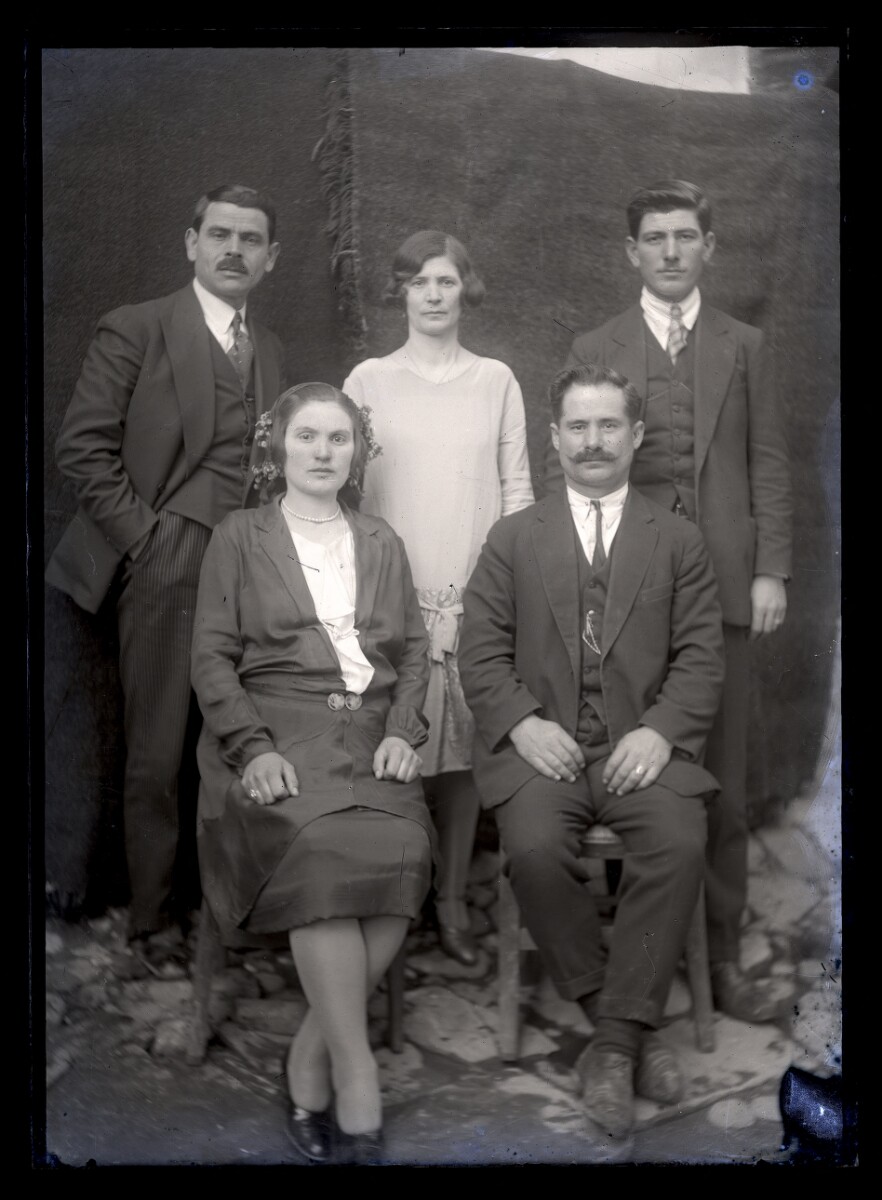
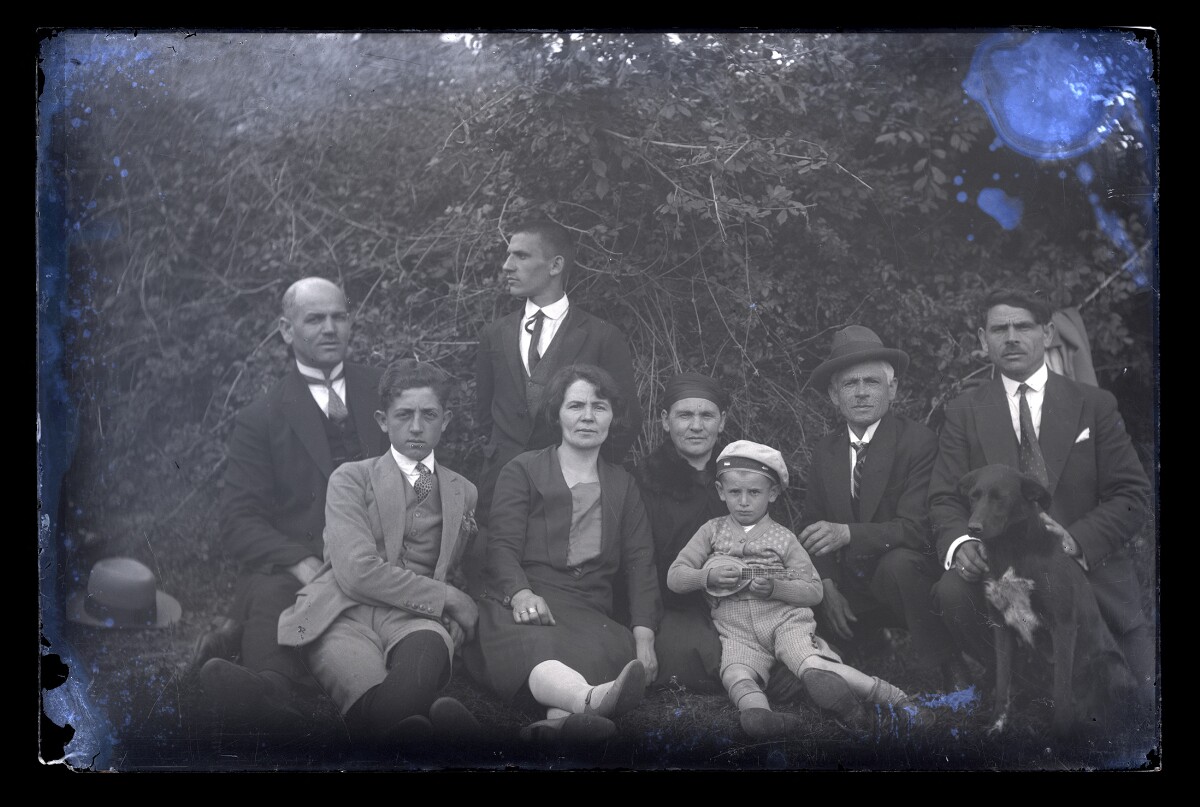

Ianaki moves to Salonica
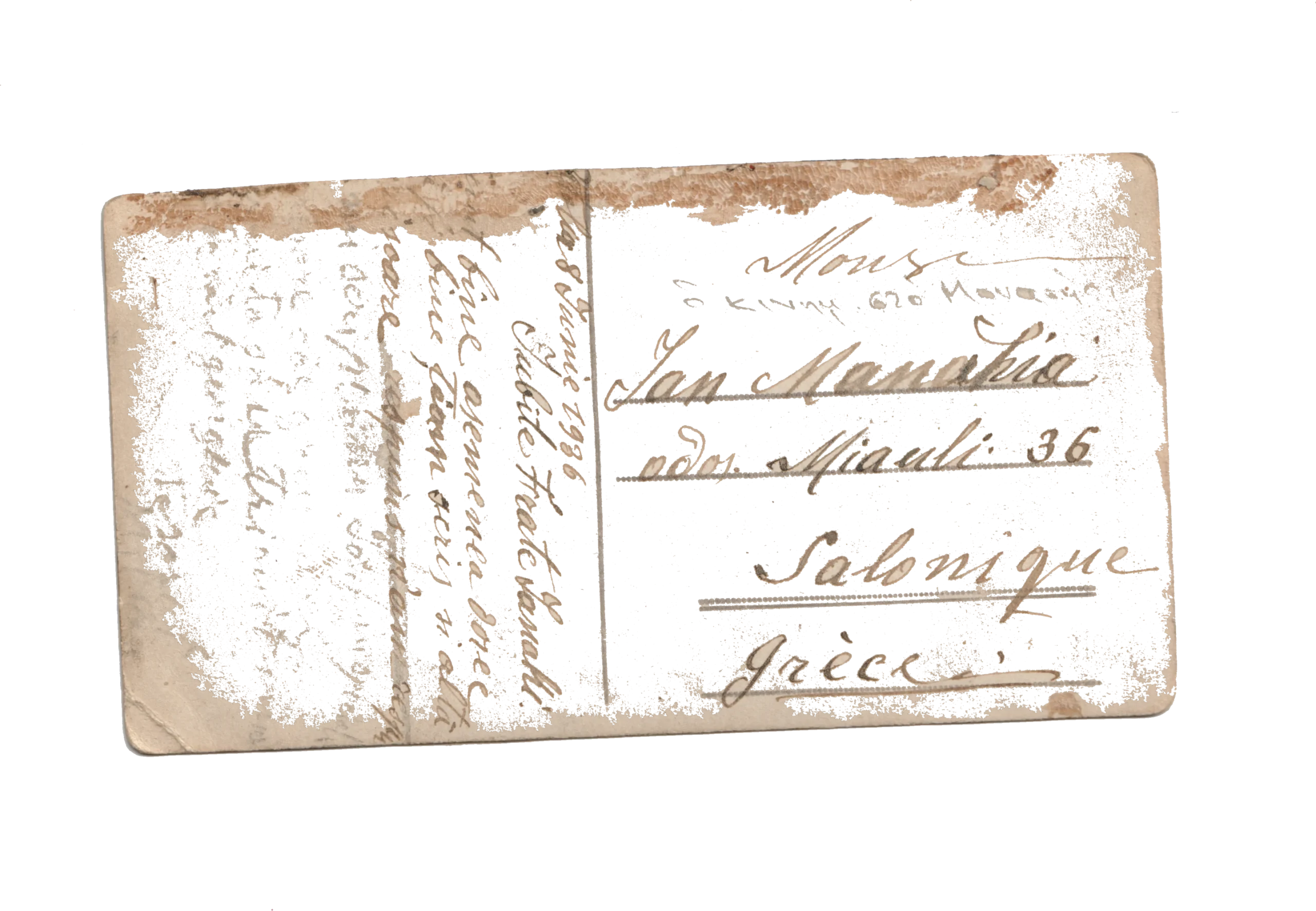
Ianaki settles in Salonica, where he teaches drawing and calligraphy, at the Romanian Commercial School. Money is short. Milton stays in Bitola. They write each other postcards with their own photographs on the front.
To the end of his life he goes down to the seafront and photographs passers-by for a few coins, because he is poor. In Theo Angelopoulos’s Ulysses’ Gaze, the photographer in the first frame is Ianaki.
It is said that they were so well known that letters reached them addressed simply “Manakia, Balkans”.
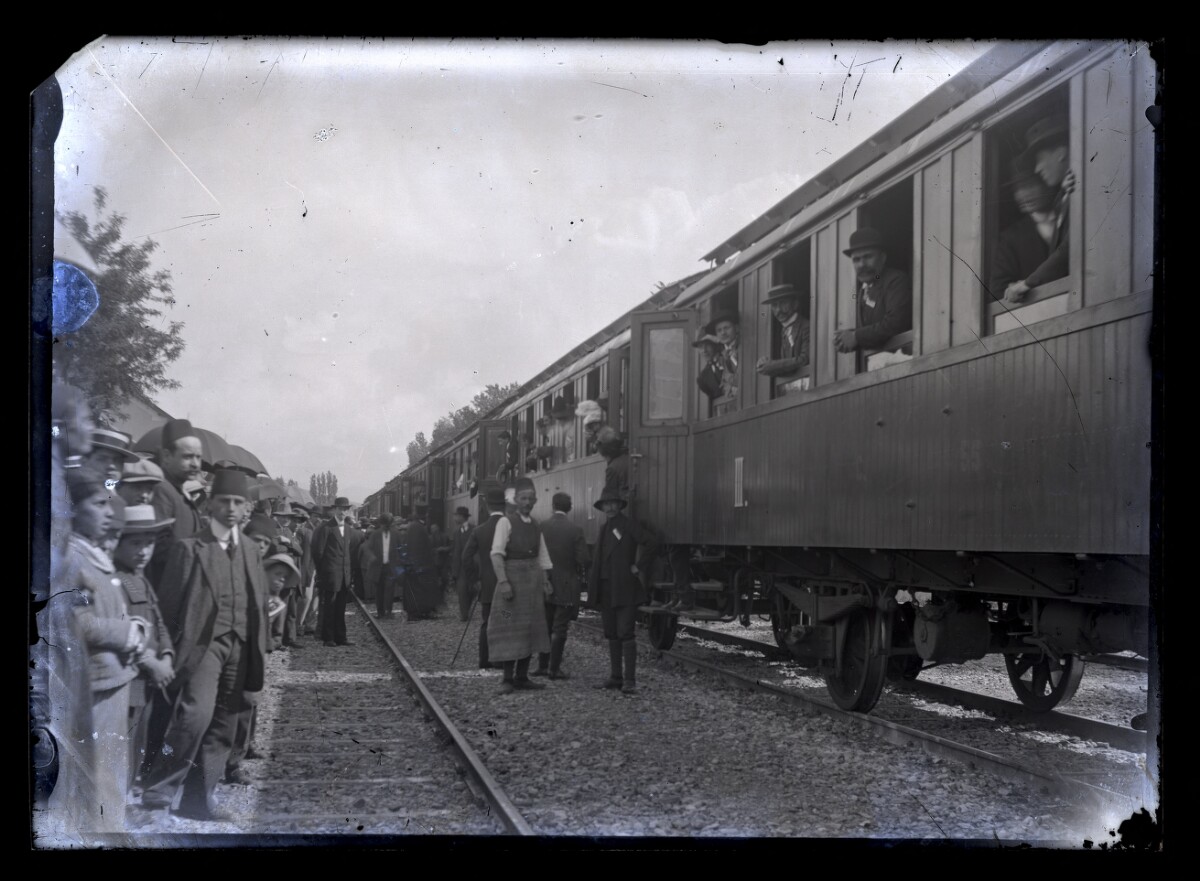
Milton goes on photographing the city: another war, the bombing, 1944.
Ianaki works in Greece. The link between the brothers is the post.
The fire
The Manaki Cinema burns to the ground. The building had been leased out since 1937; the insurance covers the debts to the creditors, not the brothers’ loss. In the fire burns, too, the copy of a film the tenant had brought from Zagreb.
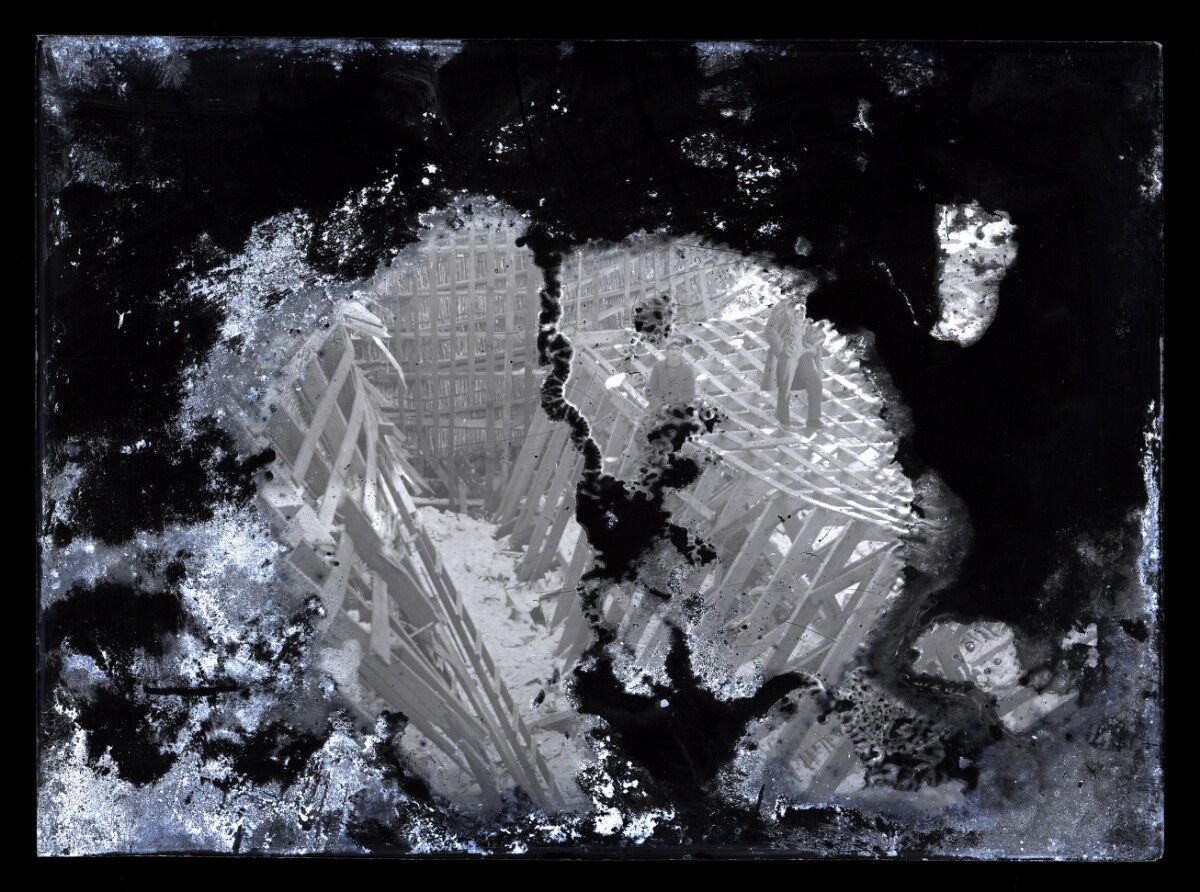
Bitola
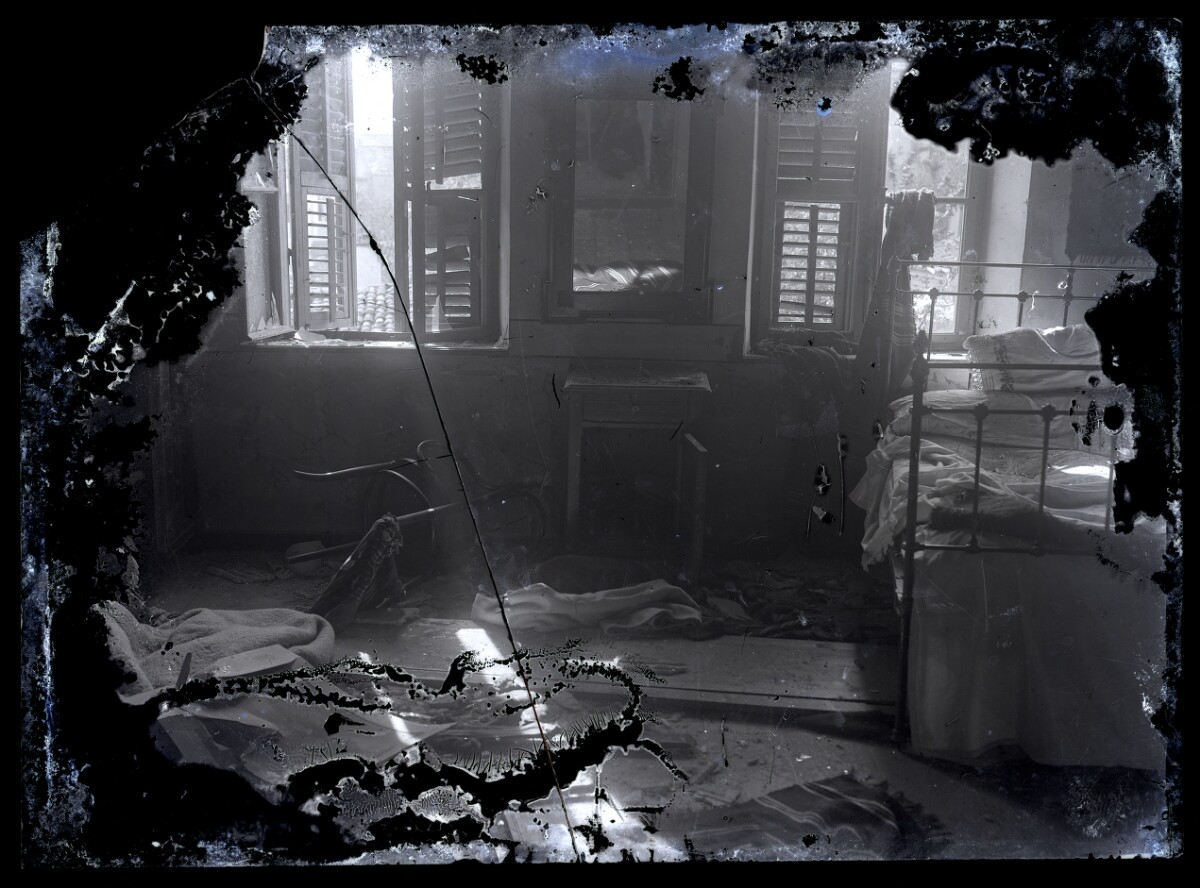
Milton photographs the city also during the Second World War: the bombardment, then 1944. A photograph in the family archive shows his own bedroom after the bombing.
On 14 July 1944, in retreat, German troops set fire to Avdela. The village where both were born burns for the second time in one lifetime.
Dimitris
Ianaki married at forty-four, in 1922, to Anastasia Hagi Ilia, from Prilep. She died at twenty-nine. There remained Dimitris, the only son, born c. 1924 (?), a student of English philology at the University of Salonica. He dies in January 1948, at the age of twenty-four. Ianaki never recovers.
In the Bitola archives the boy is called Taku; in Salonica, Dimitris. The same boy, under two names, in two archives.
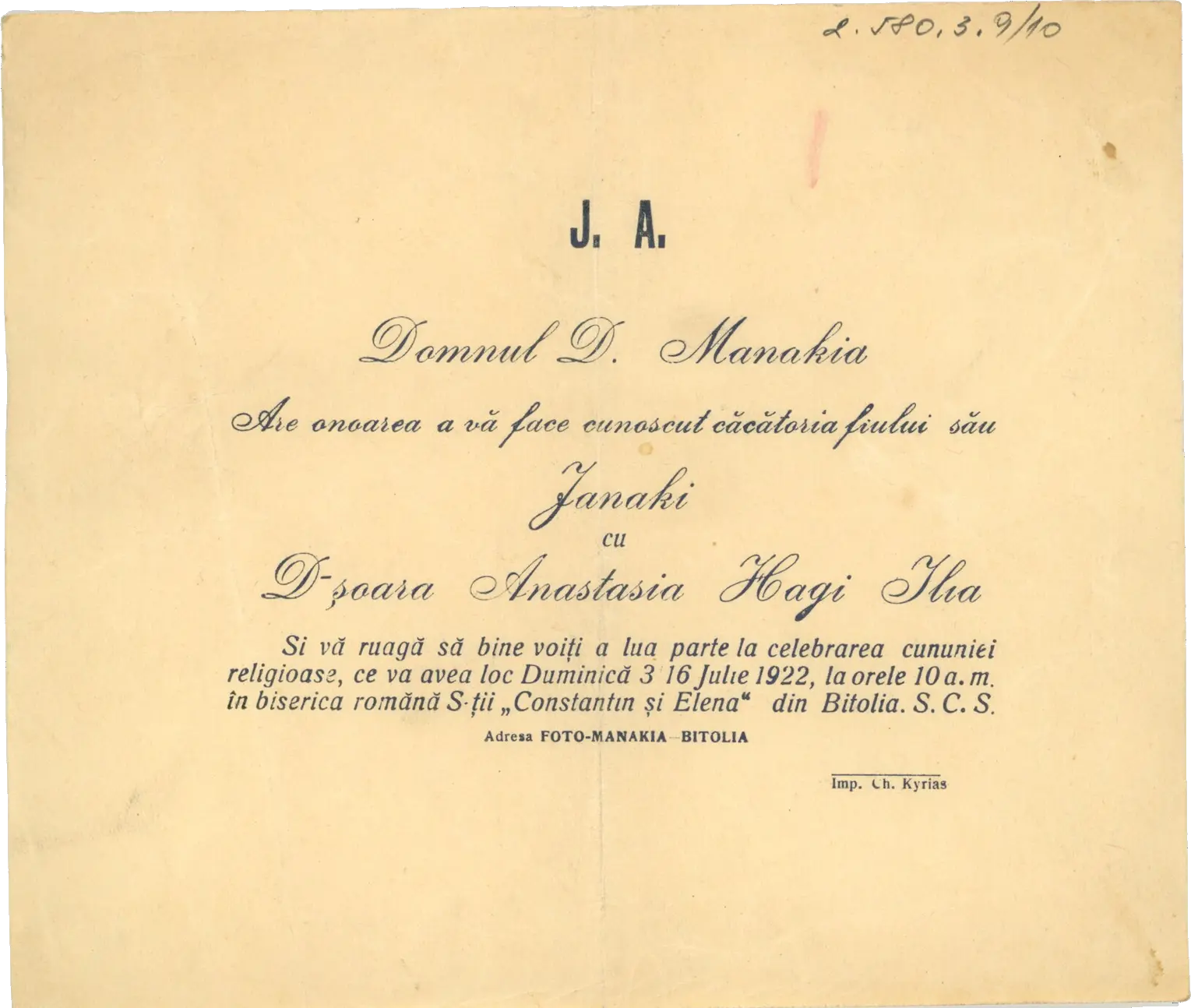
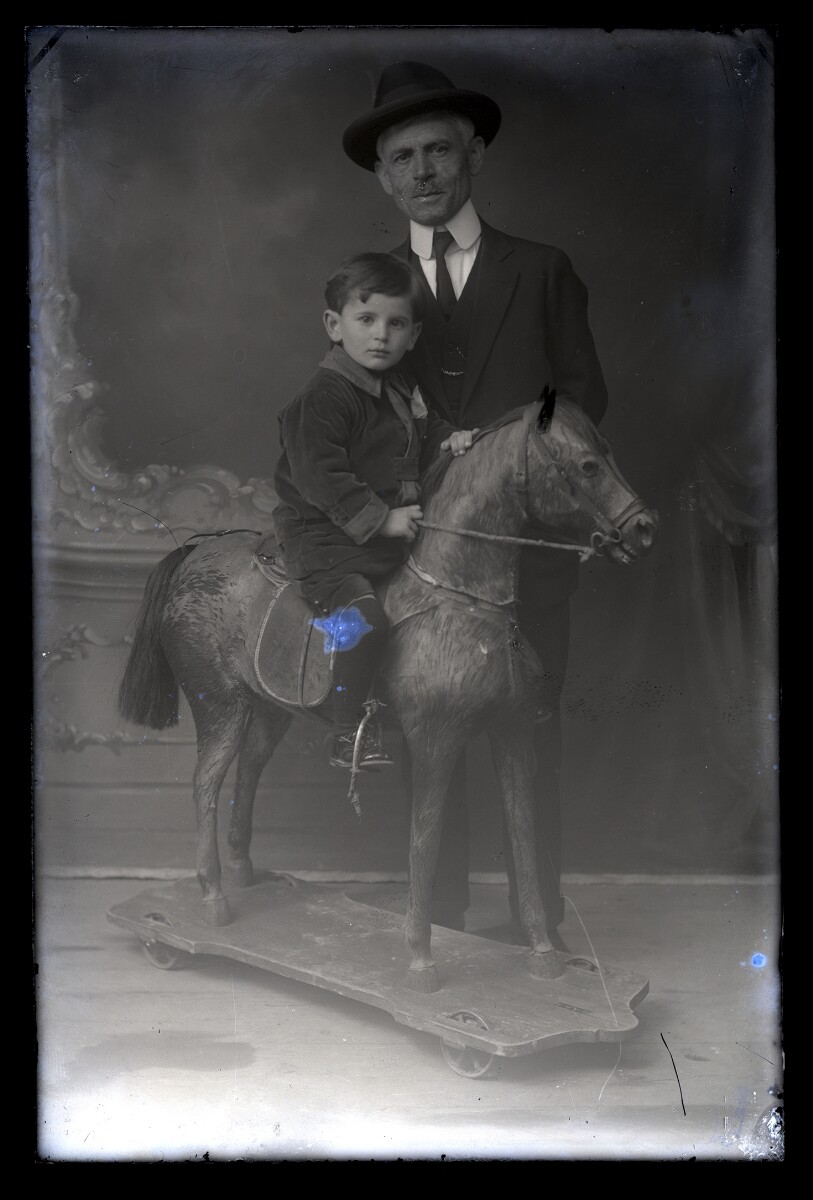
The father mounts all his photographs on a single board and writes beneath them, by hand. Then he sits before the camera, holding the boy’s portrait between his fingers.
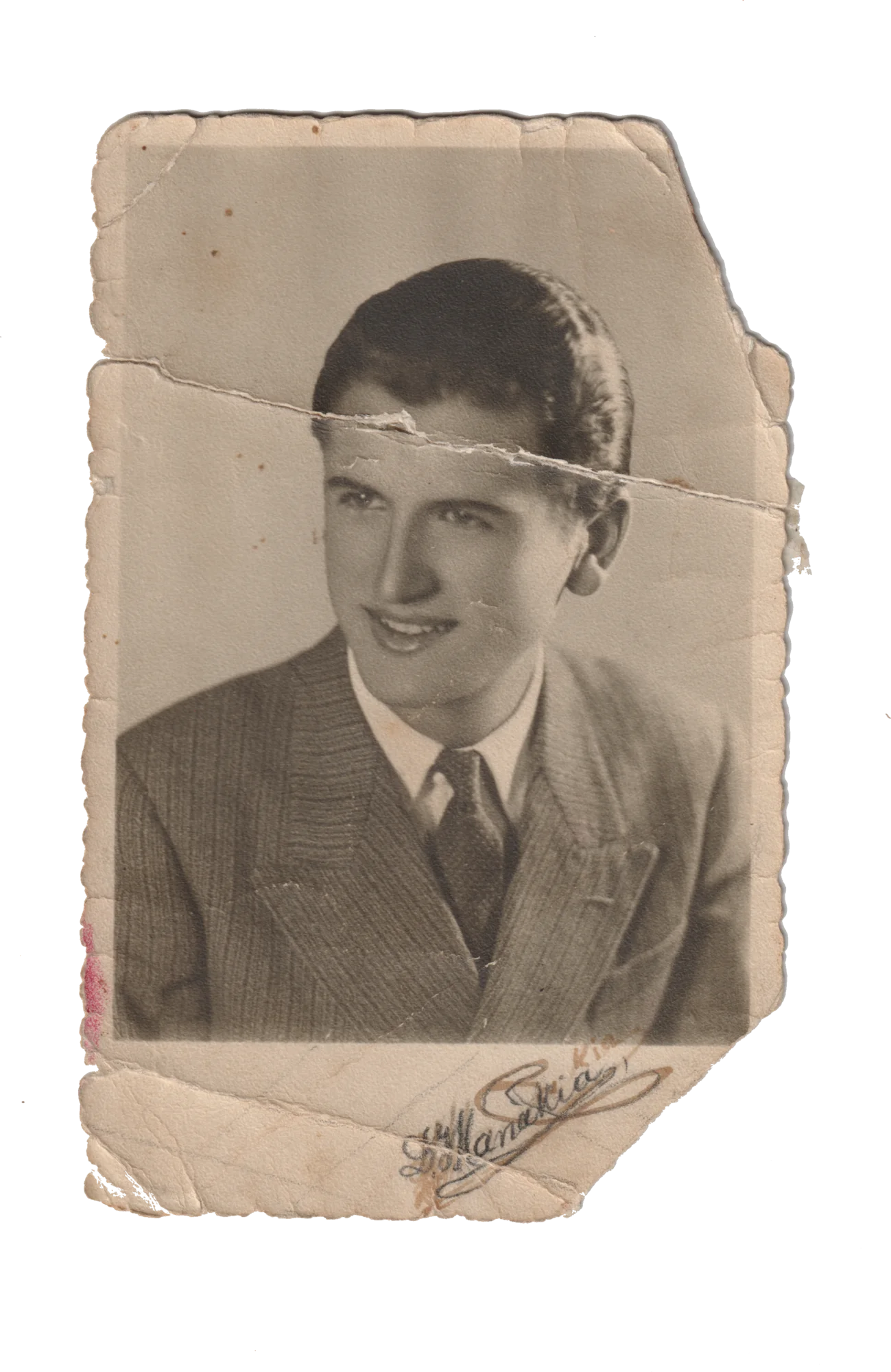
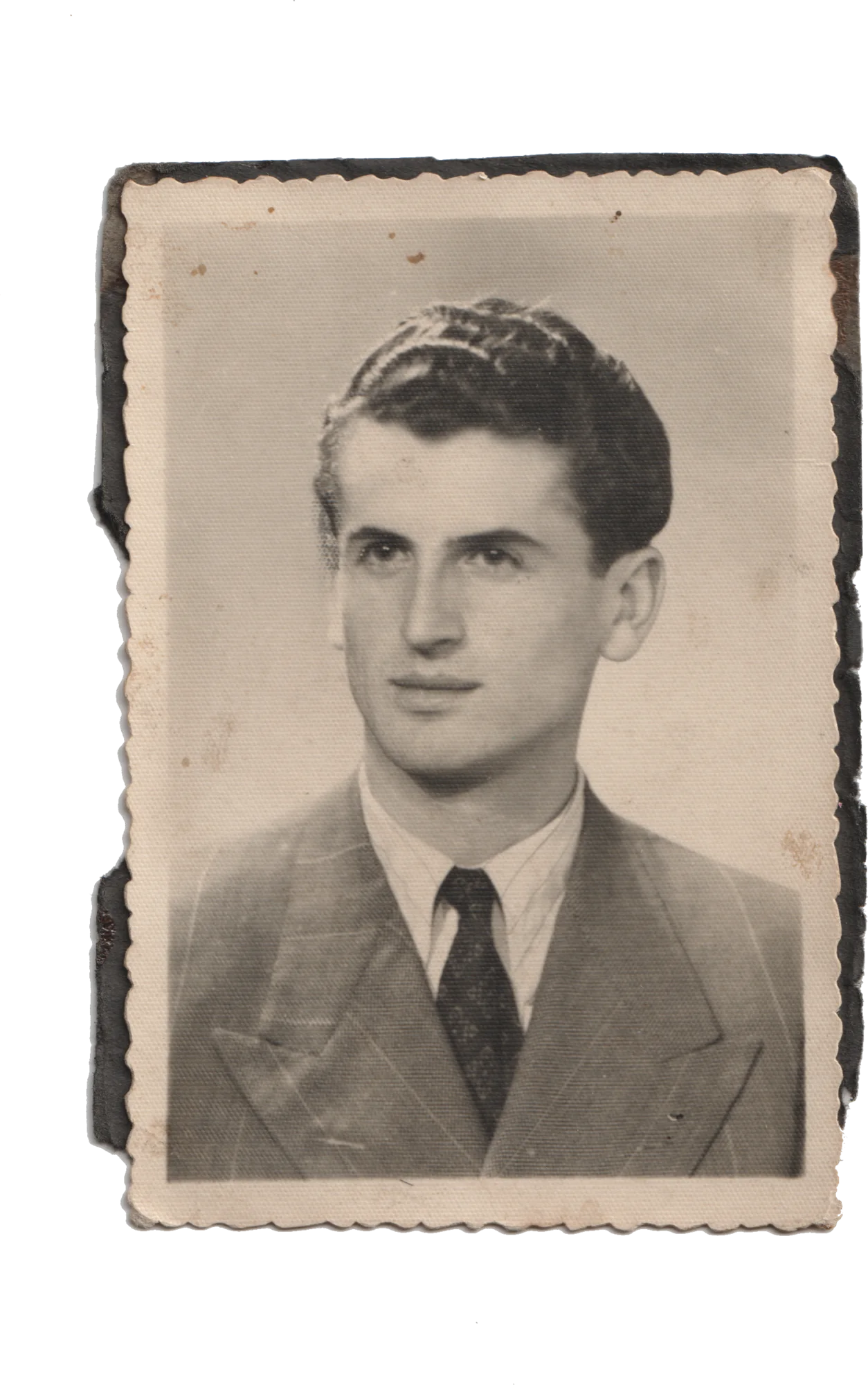
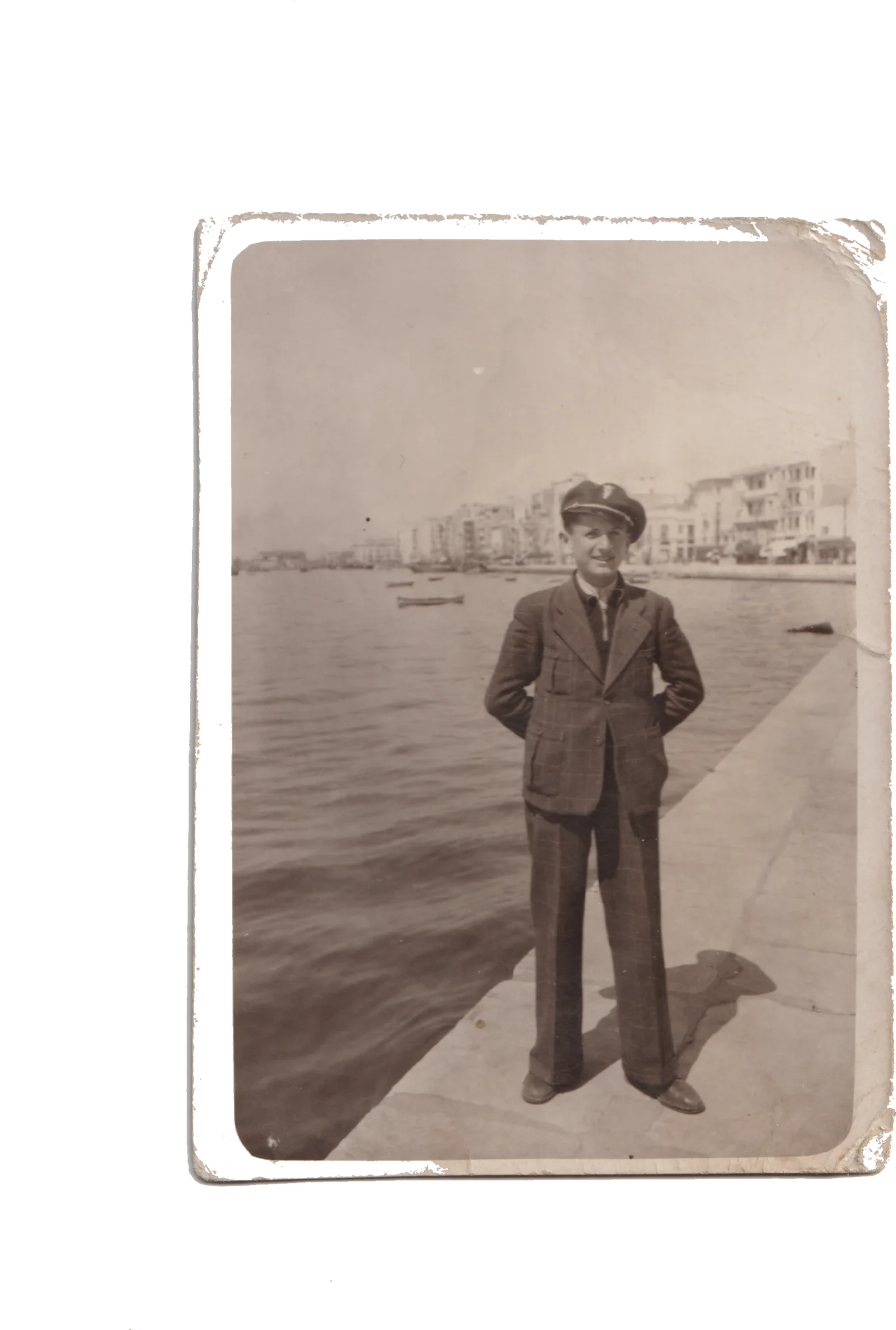
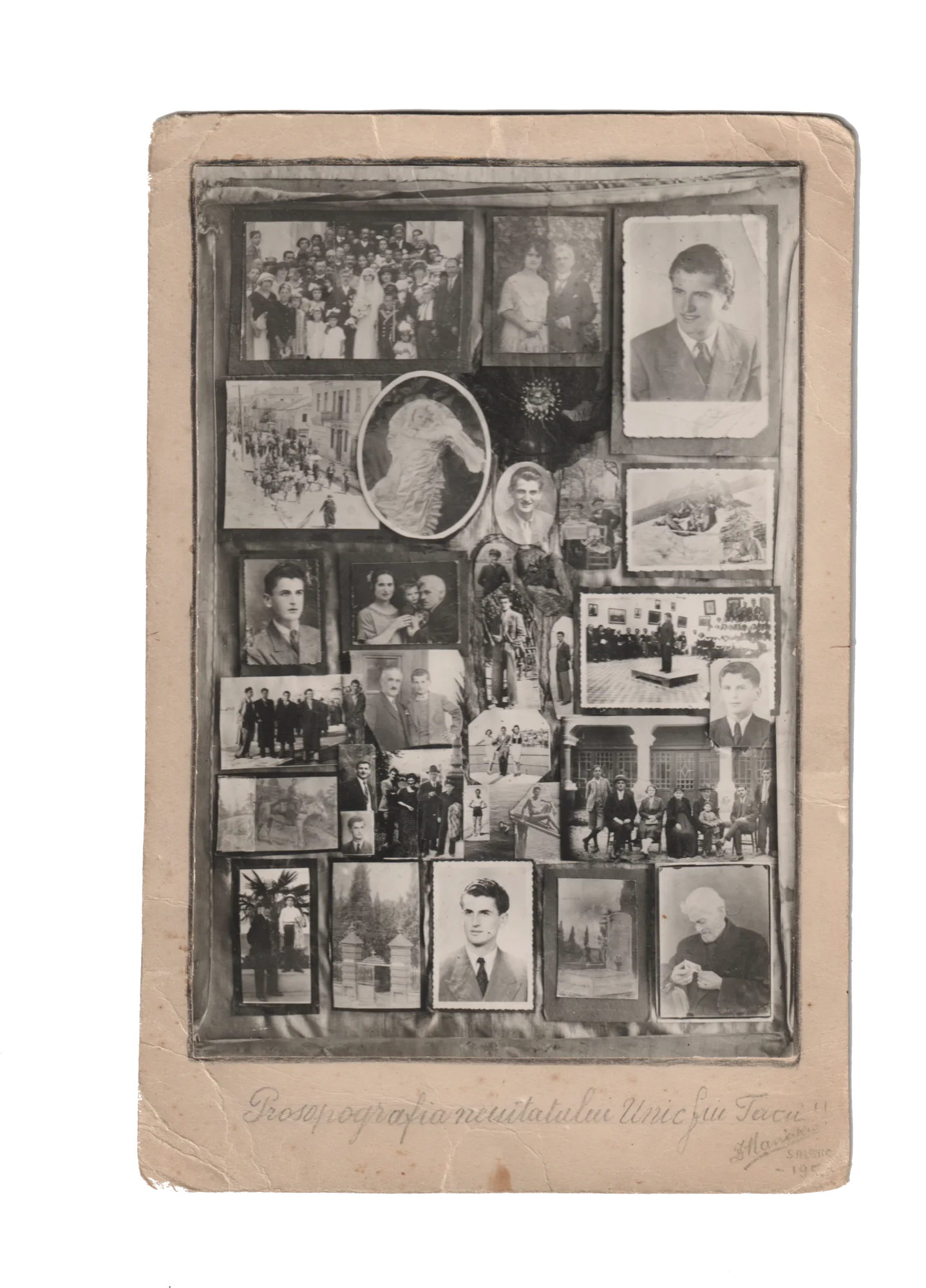
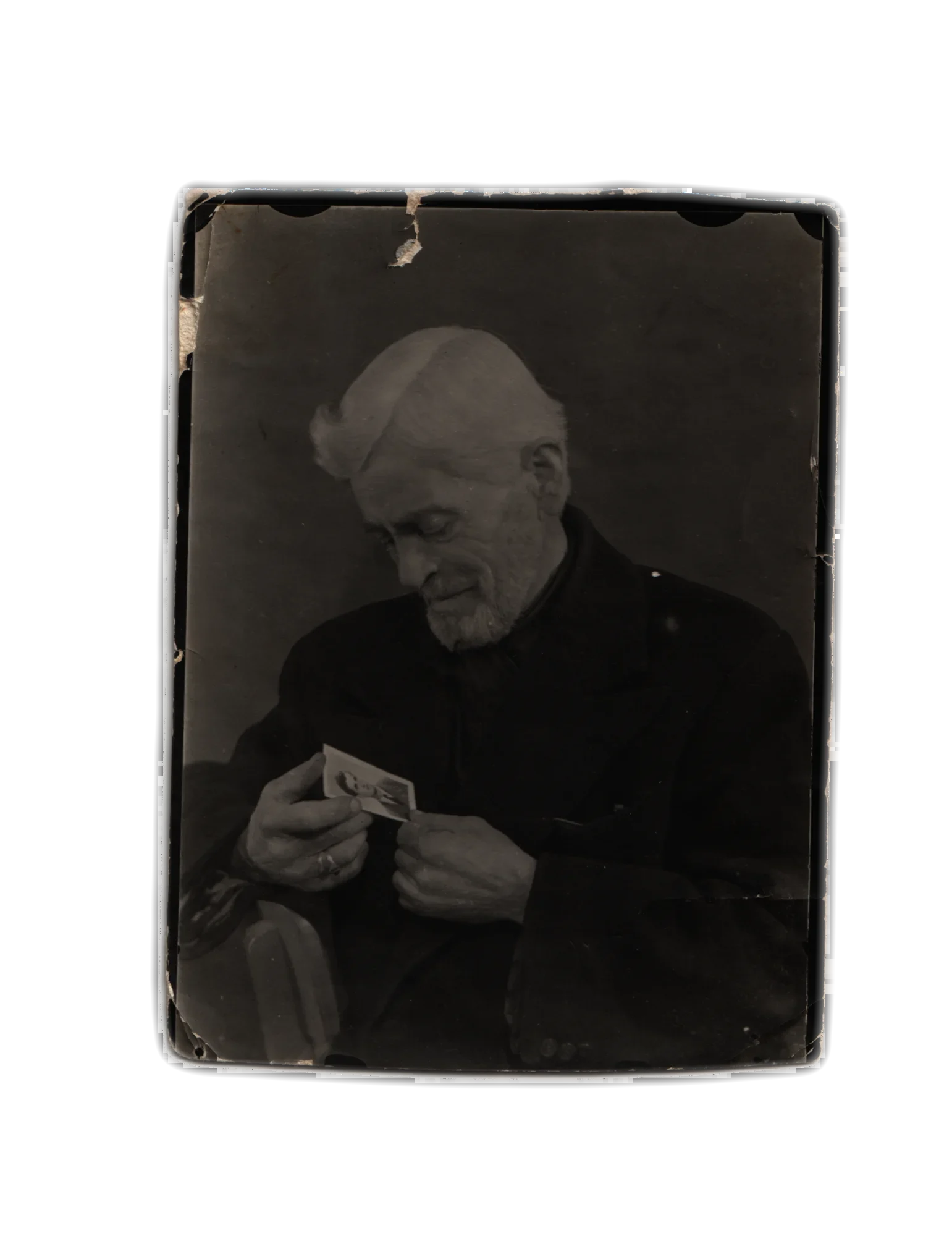
VraniVrani family archive, Salonica — scan by Cătălin D. Constantin
The death of Ianaki
Ianaki dies in Salonica on 19 May. He was seventy-six.
The family says that his son Dimitris was buried in the city’s Romanian cemetery, and that Ianaki was laid there too. The panel now standing on the site says, however, that the cemetery ceased to operate at the beginning of 1941. The two versions cannot be reconciled.
The cemetery is gone. In 1964 the ground became a public park; in December 2022 the municipality of Neapoli–Sykies remade it and kept the old name, Roumanika.
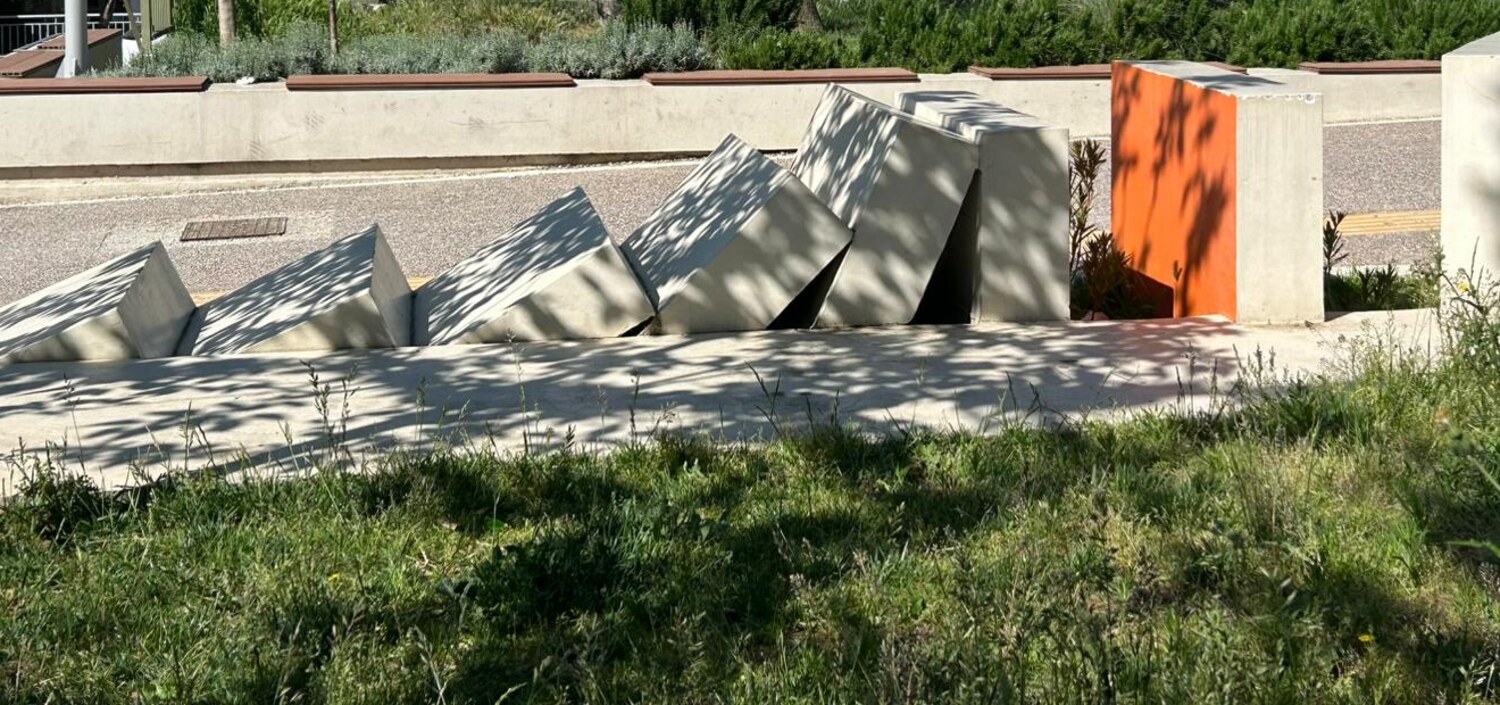
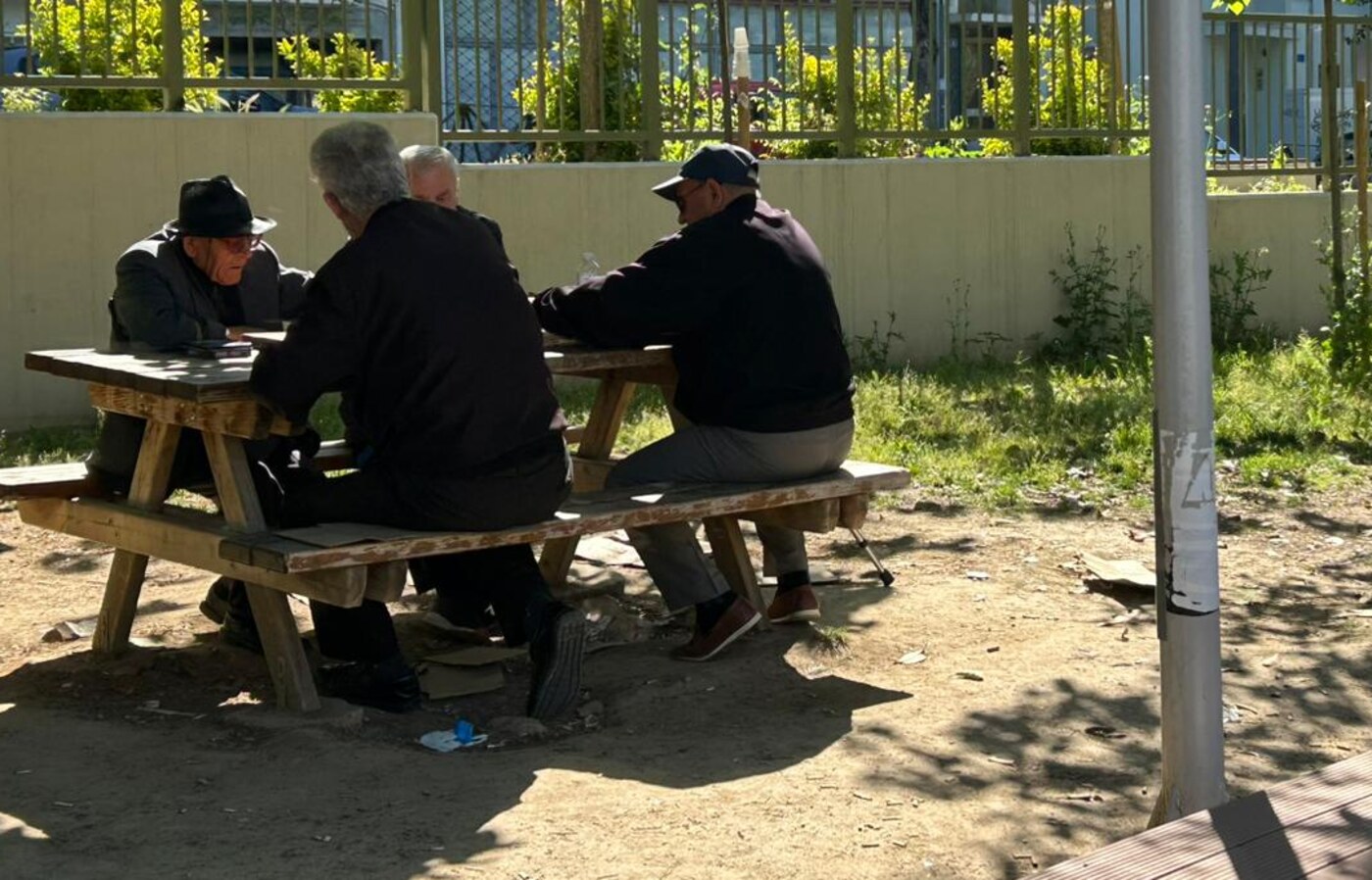
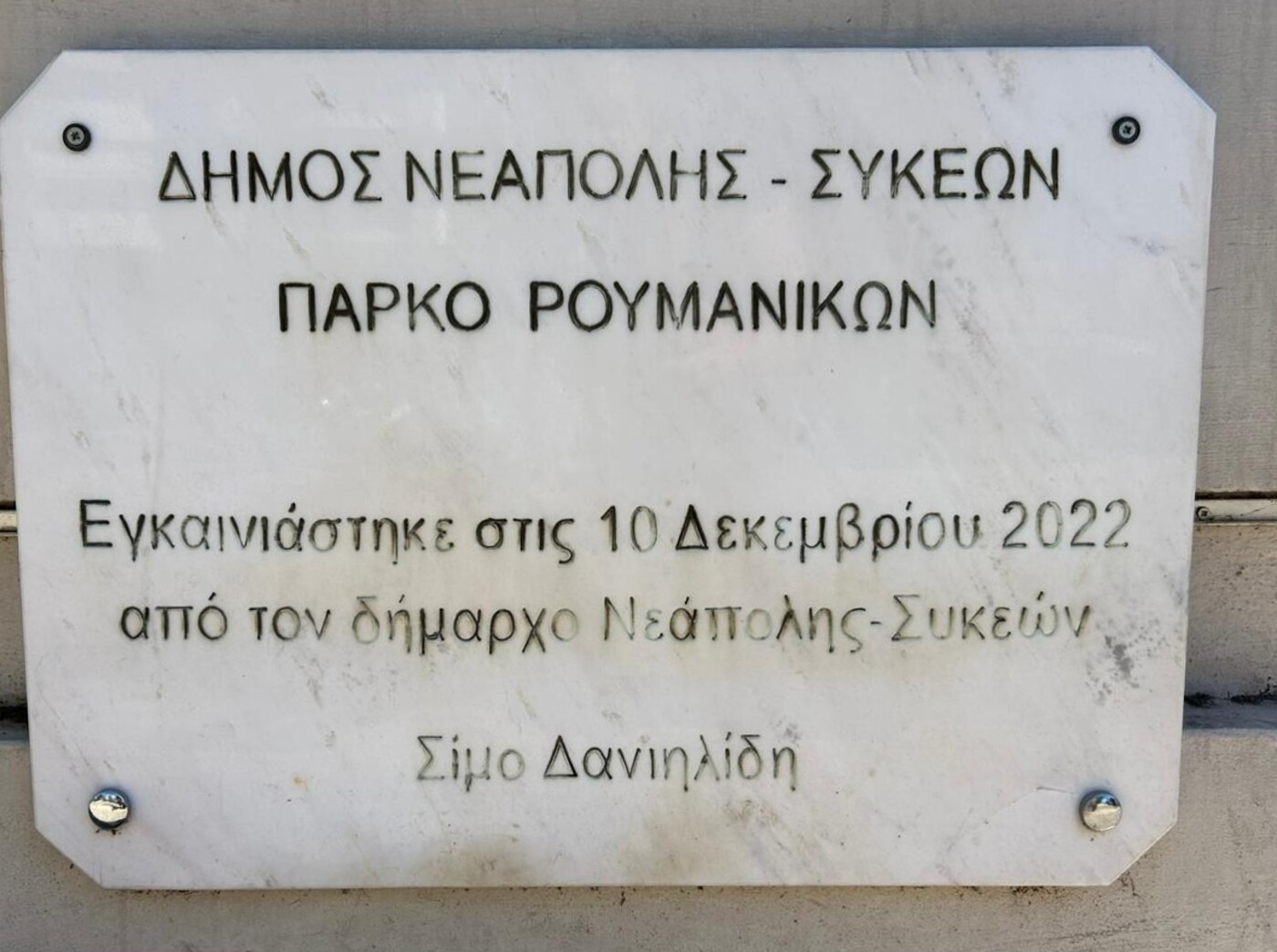
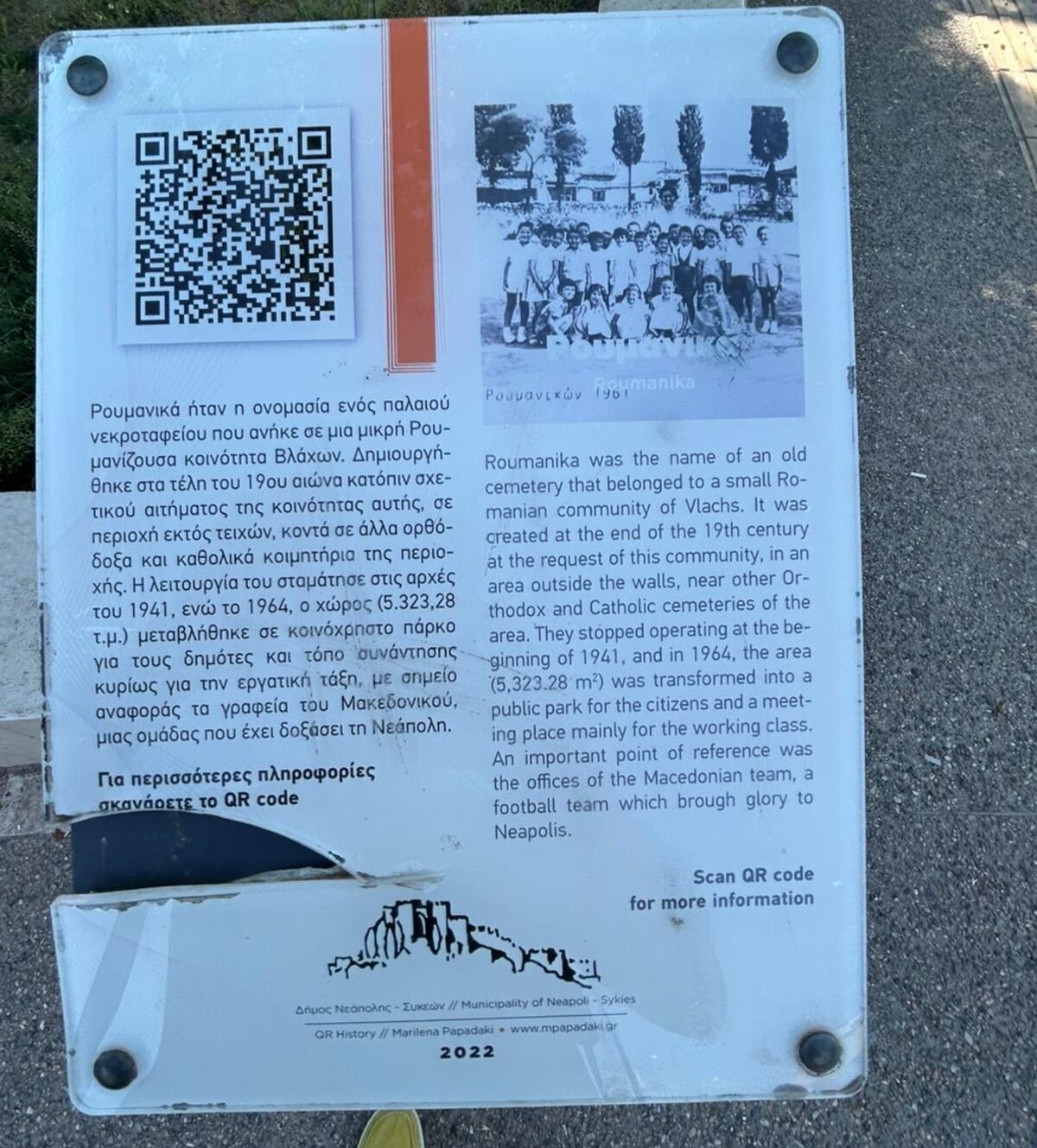
Photographs by Cătălin D. Constantin, 26 April 2026
The death of Milton
Milton dies in Bitola, in March. Sources hesitate between the 5th and the 6th. He is buried in the Romanian cemetery of Bitola. The same year, the archives purchase the fonds from his widow and son.

Fonds 580
Parts of the archive pass over time to the State Archives in Bitola. The films were handed to the Yugoslav Cinematheque in 1951; a list of 1955 counts sixty-seven. The bulk of the photographs is purchased from the family, Milton’s widow and son, in 1964.
What remained with the family ended up in Salonica. The photographs from there, reproduced here, have no shelfmarks: that fonds is not inventoried.
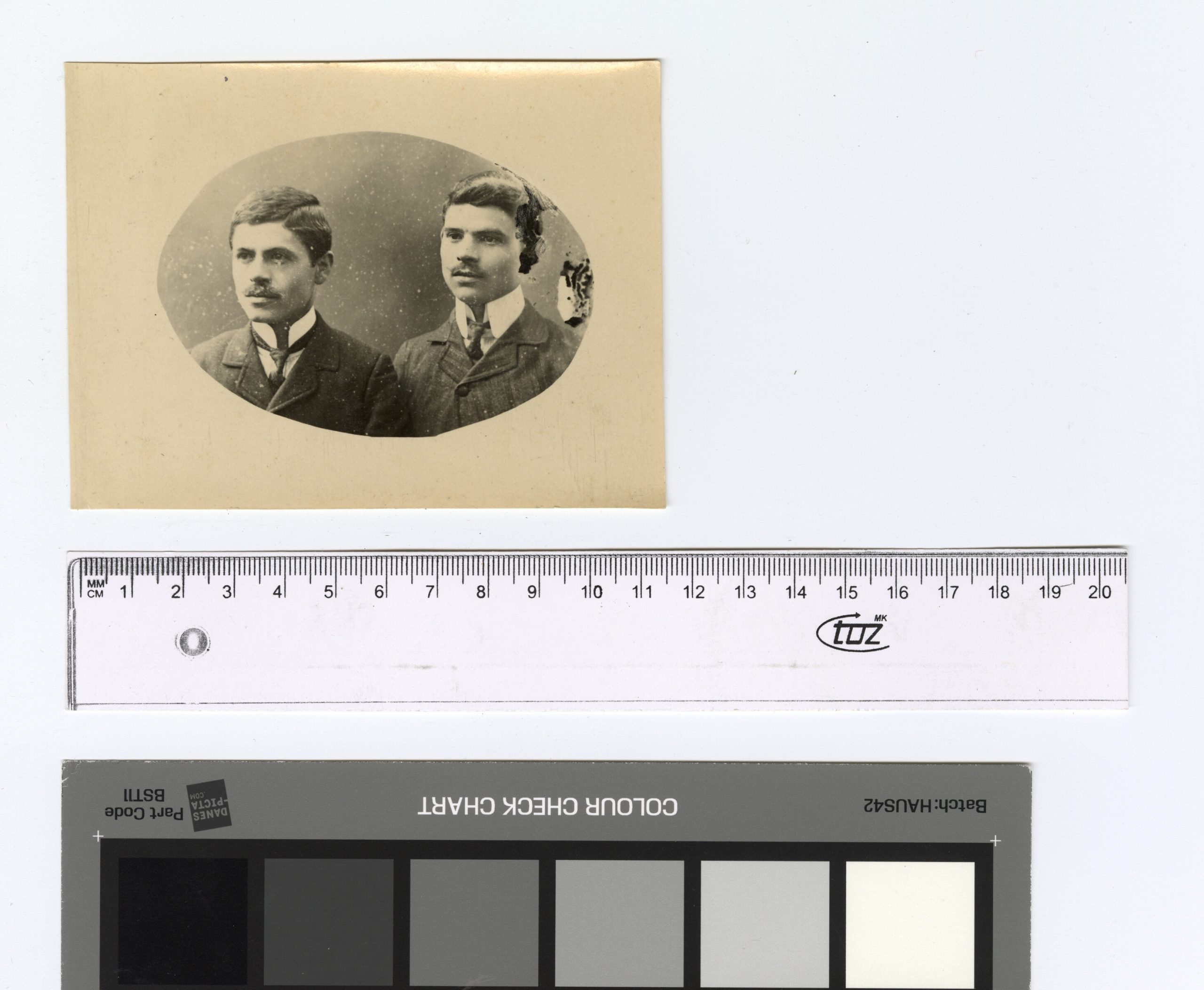
The festival
Bitola holds Camera 300, the international festival of cinematographers, dedicated to them. In Greece, at Avdela, an annual event, Manakeia, is held in their honour.
The digitization
The State Archives, Bitola Department, digitize the fonds through a grant of the British Library’s Endangered Archives Programme. 25,865 files and 6,894 catalogue records, freely searchable.
Beyond Yesterday
The photographs return to the places where they were made. The exhibition sets them beside today’s views, taken from the same spot. It has been shown in Salonica, Bitola, Korçë, Plovdiv and Bucharest.
Archival sources: the Bitola State Archives (fonds 580), the Romanian National Peasant Museum (MNȚR) and the Vrani family archive, Salonica. Scans made on site by Cătălin D. Constantin.