Rephotography
Returning with a camera to the place of an old photograph. The method sounds simple. The terrain complicates it every time.
What stays in the frame
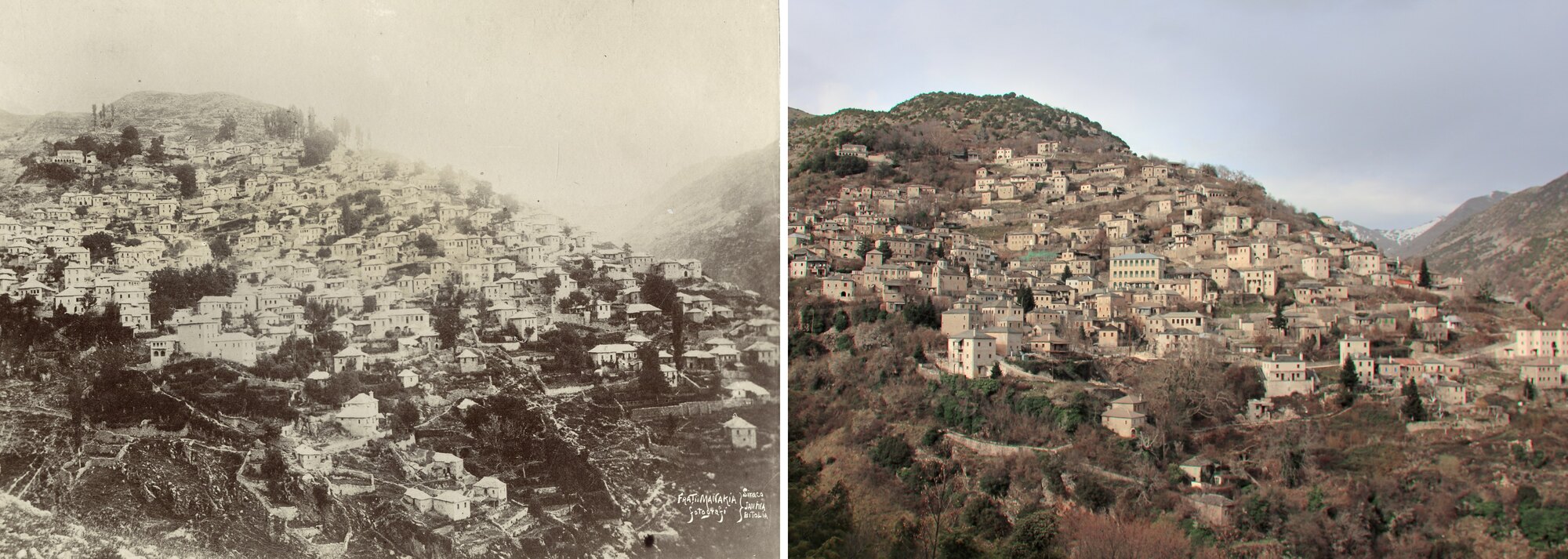
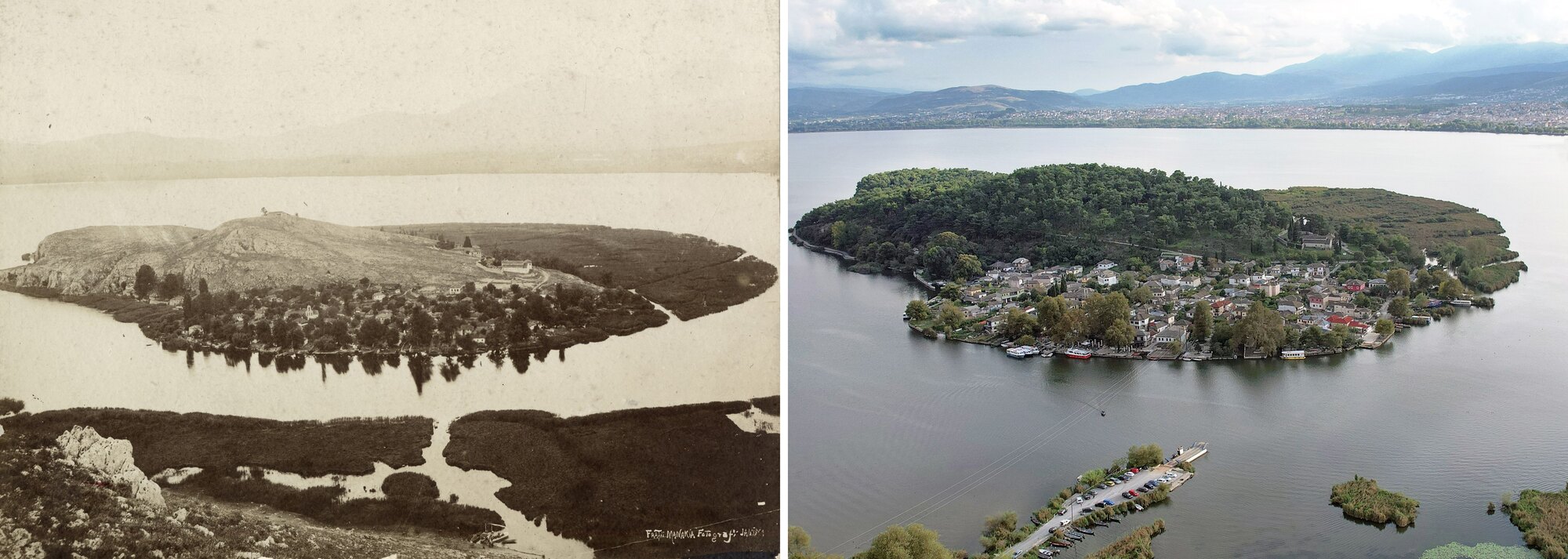
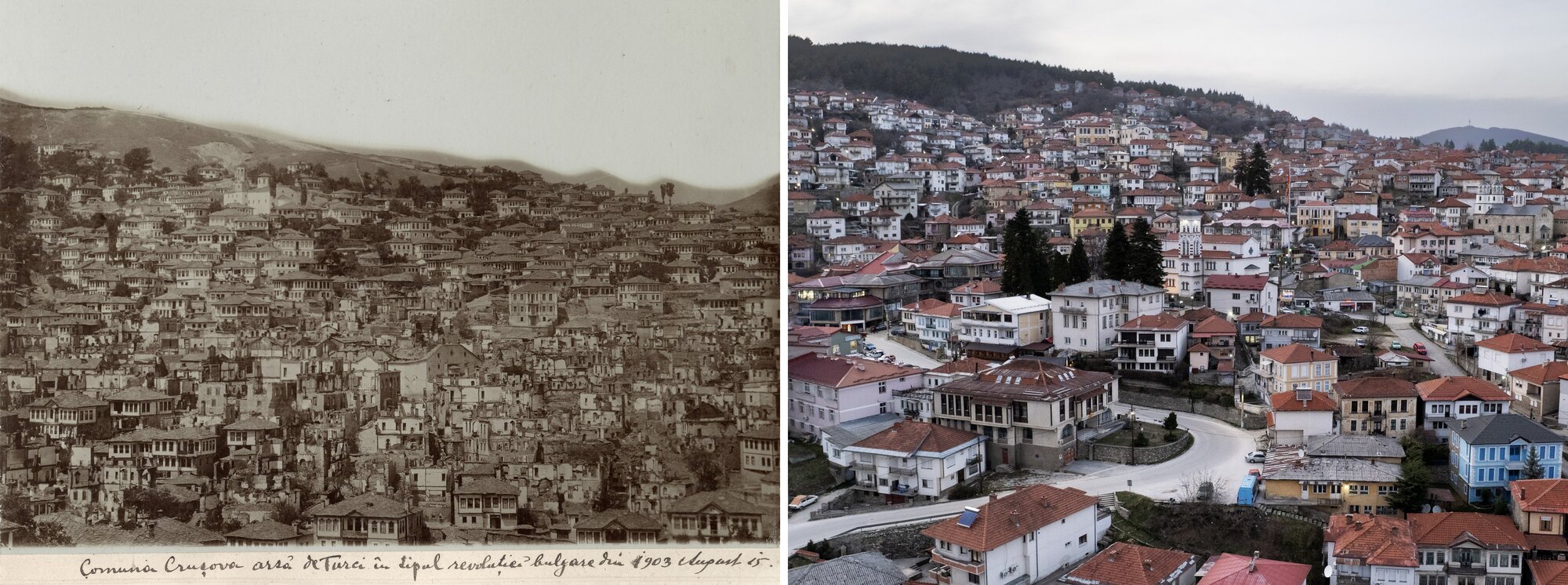
A photograph fixes a fraction of a second, and a place to stand. The photographer leaves; the place goes on changing. A road moves, a house falls, a forest grows, a village empties or fills with other people.
Rephotography begins with a return. You look for the point from which the first photograph was taken, recover it as closely as the terrain allows, and make another. The old photograph is both the map and the riddle: a ridge in the background identifies the valley, a roofline gives the height of the camera, a street corner no longer exists.
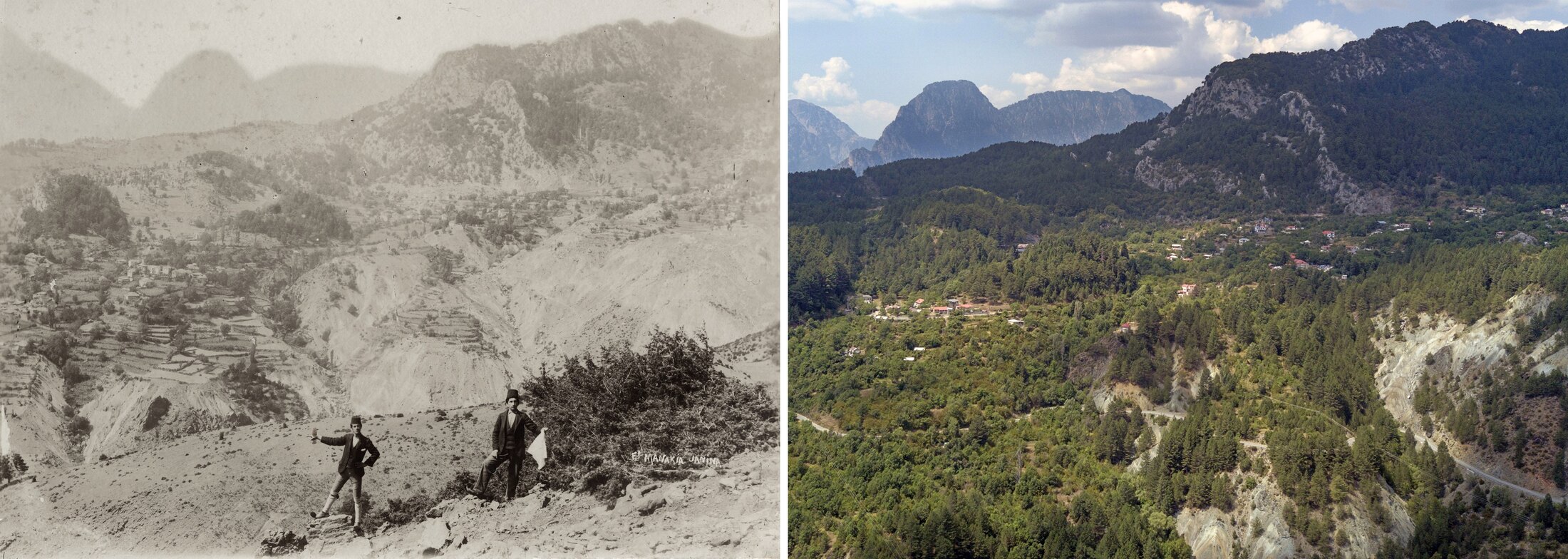
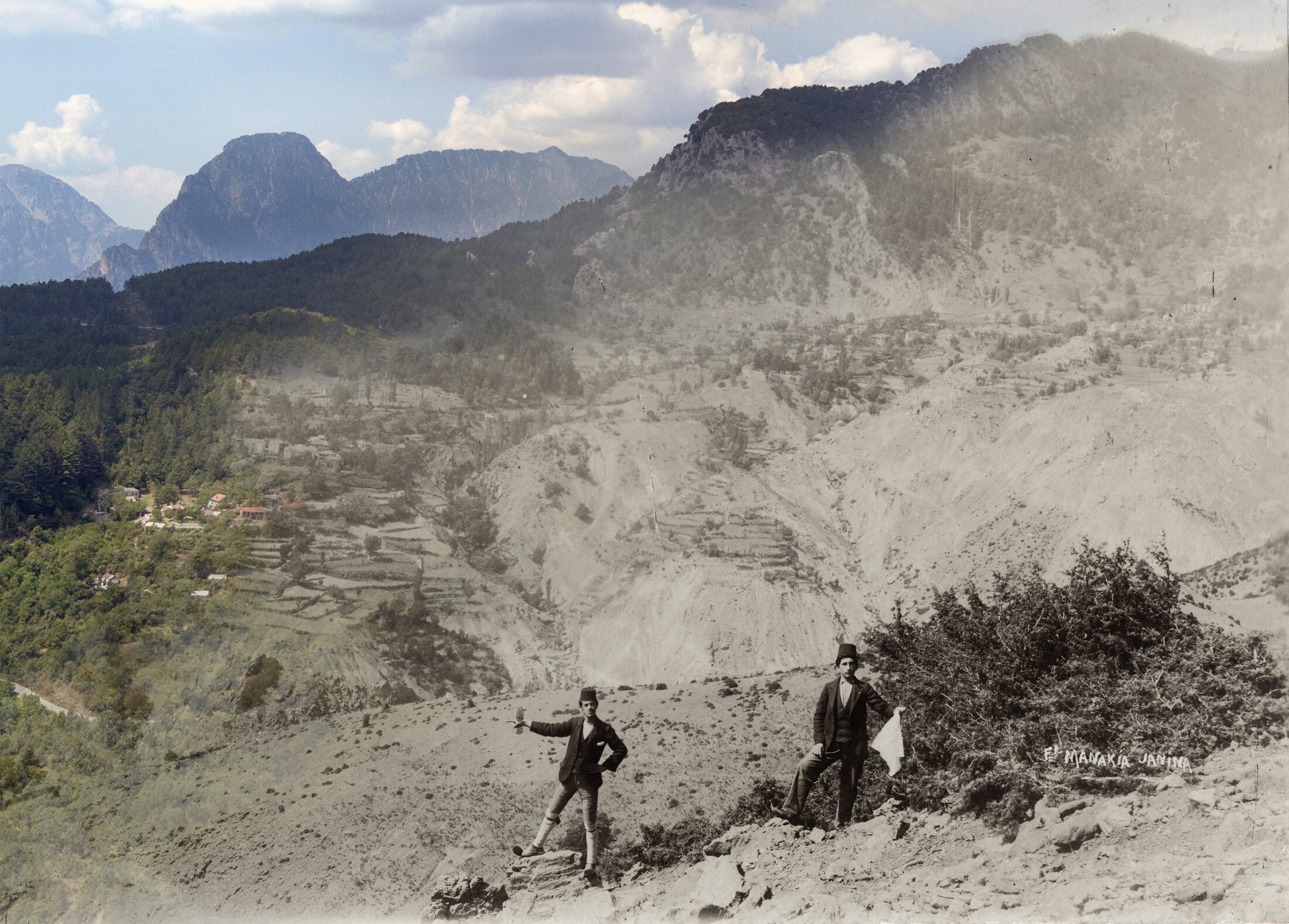
At Pades, the bare, terraced slopes of 1900 now stand under forest. No archive says this as plainly as the two images side by side.
A detective in the past and the present
It is detective work, in the past and the present at once. The clues are in the backgrounds: the profile of a mountain, the angle between a bell tower and a ridge, the height from which someone looked. The witnesses are the people of the place: one recognises a house, another remembers why a road was abandoned. And sometimes the inquiry changes the label: a panorama catalogued as Plovdiv turned out, by its mountains, to be Sliven.
Theory and terrain
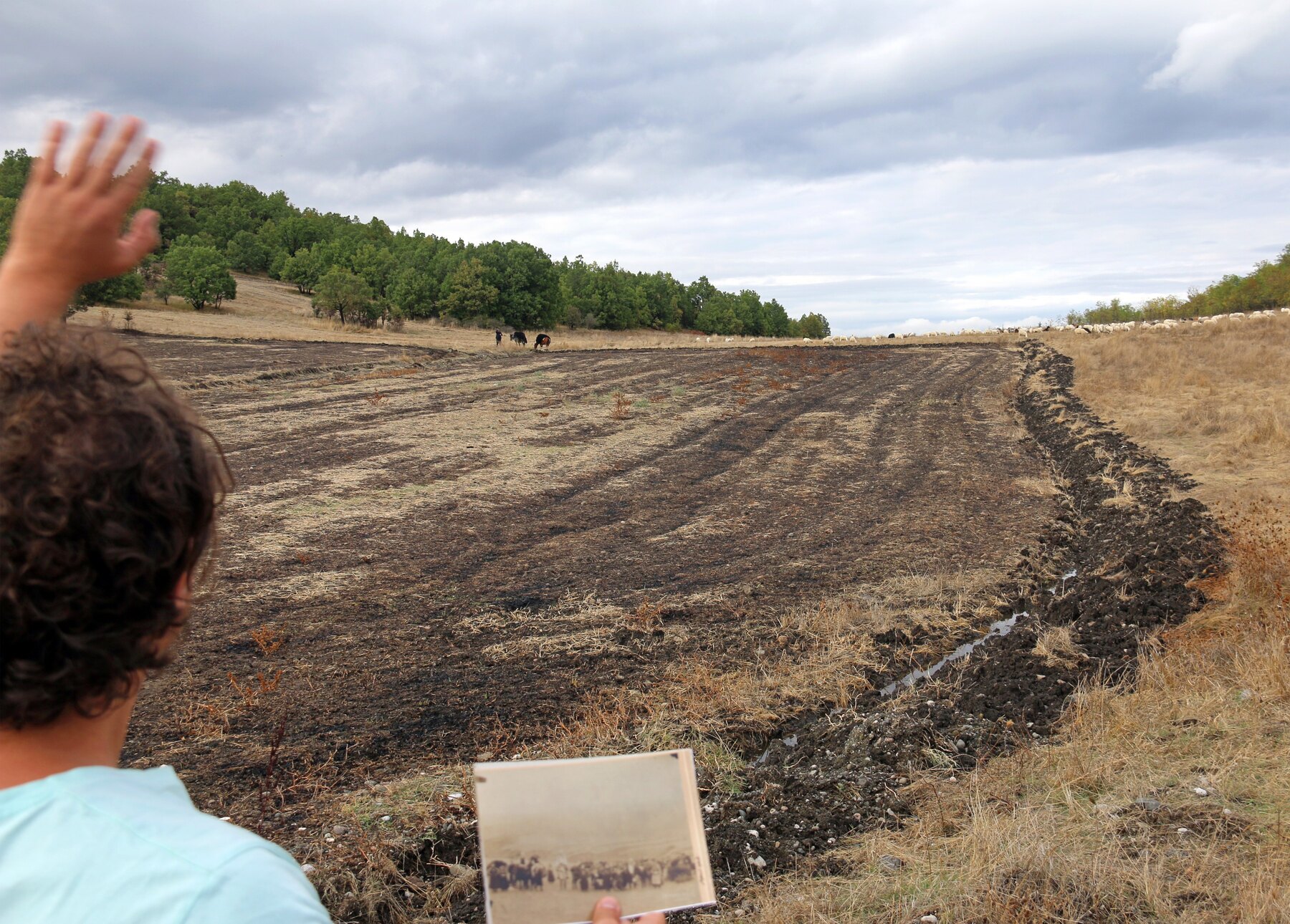
On paper the method has stages: identify the archival object, test the geographical attribution, reconstruct the camera position, photograph, record what does not fit. In the field it is different every time: the exact spot is under a new building, inside a forest, behind a fence. The method adapts to the terrain.
That is why every published pair also says how certain it is: close alignment; approximate alignment; site identified, viewpoint unresolved; interpretive pairing. An honest sentence about uncertainty is itself a result.
More then-and-now pairs